A discreet buyer’s guide to evaluating construction-noise exposure before purchasing luxury real estate in Hallandale Beach, with practical questions for showings, contracts, and long-term ownership.
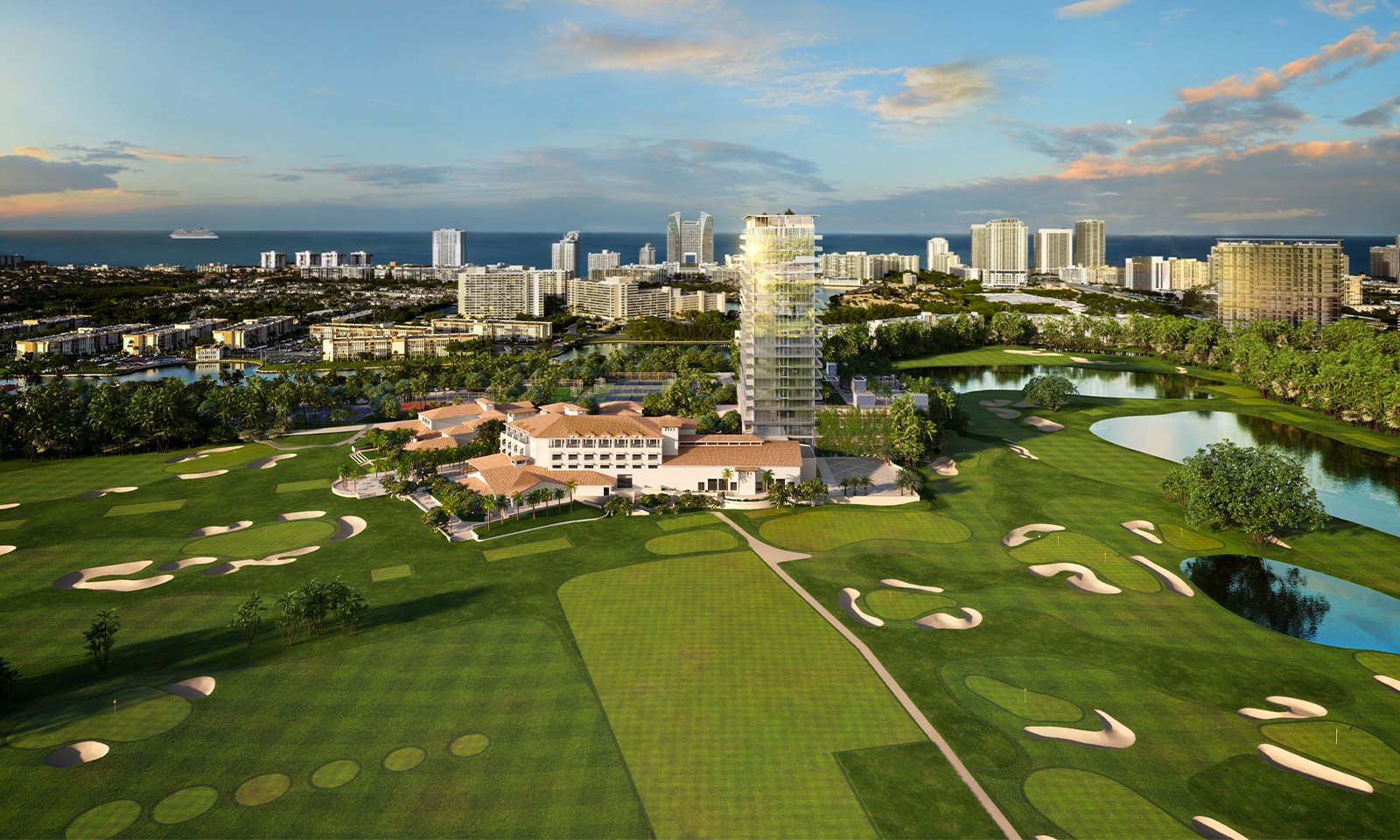
In Hallandale Beach, luxury real estate is often measured by views, finishes, service, and proximity to the water. For sophisticated buyers, however, the more revealing question is sometimes less visible: what will the residence sound like during the years you intend to own it?
Construction-noise exposure is not a simple yes-or-no issue. It is shaped by distance, elevation, façade quality, balcony orientation, construction sequencing, truck access, neighboring parcels, and the buyer’s own lifestyle. A residence that feels serene during a late-afternoon tour may perform very differently during weekday work hours. A spectacular terrace may be a retreat on Sunday and a less restful place on Tuesday morning.
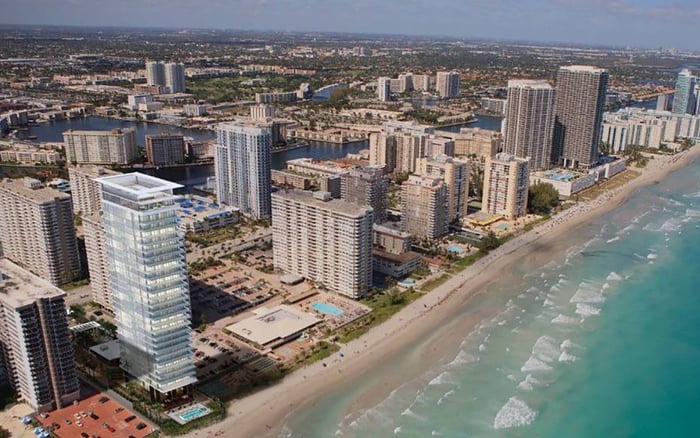
This is especially relevant for buyers considering Hallandale Beach as a primary residence, seasonal base, or long-term hold. The city sits within a high-demand coastal corridor where established condominiums, renovated buildings, and new-construction opportunities can sit close to one another. The goal is not to avoid every sign of progress. The goal is to understand exposure before it becomes personal.
Before discussing contracts, begin with the residence itself. Visit at different times of day if access allows, and listen from three places: the primary bedroom, the main living area, and the balcony or terrace. If the home has multiple exposures, test each one. A corner residence may have one side that feels calm and another that carries sound from a more active direction.
Ask direct questions during the showing: What construction activity has been audible recently? Which rooms receive the most sound? Has the owner noticed weekday differences? Have there been recurring complaints within the building? The answers may be informal, but the discipline of asking matters.
For buyers comparing refined oceanfront living at 2000 Ocean Hallandale Beach with broader Hallandale options, the exercise is not only about the present moment. It is about the residence’s acoustic character across seasons, ownership cycles, and neighboring activity.
The building next door is only part of the story. Empty lots, aging structures, surface parking, underused commercial parcels, and large assemblages can all become future variables. You do not need to predict every outcome, but you should ask your advisor to map the properties that could affect daily life from the unit.
Key questions include: Which parcels are visible from the residence? Are there obvious staging areas nearby? Could future work occur on the sunrise side, sunset side, or directly below the amenity deck? Would construction vehicles use a street that passes the lobby, garage entry, or pool level?
In a luxury purchase, this is not anxiety. It is underwriting. The most valuable homes often remain desirable through neighborhood evolution because their floor height, orientation, construction quality, and amenity planning buffer daily life well.
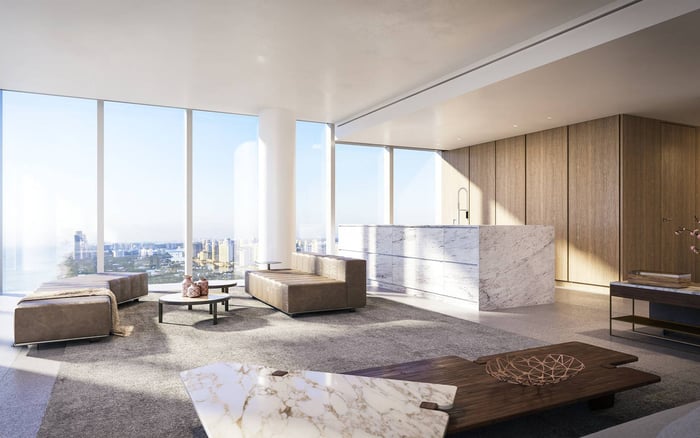
Buyers often admire glass for its transparency and architectural effect, but the more practical question is performance. Ask about window and door systems, seals, balcony sliders, and whether the residence feels meaningfully different when closed versus open. During a showing, close the doors fully, lower the interior volume, and stand still for a minute. Do not rush the moment.
Also ask whether any recent work has been done to doors, gaskets, thresholds, or balcony hardware. Small deficiencies can undermine the quiet that a luxury residence is expected to provide. If the home is furnished, remember that rugs, drapery, upholstered walls, and built-ins can soften interior sound. An unfurnished version of the same plan may feel brighter acoustically.
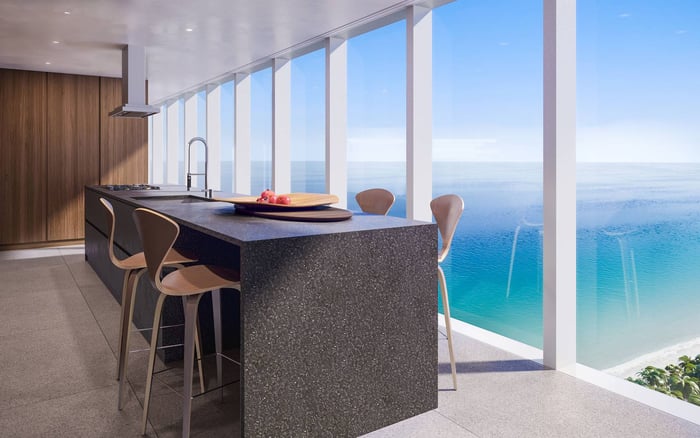
For waterfront buyers, this becomes more nuanced. Open air is part of the lifestyle, but open air also removes the acoustic buffer. A terrace that functions beautifully for dining may not be the ideal work-from-home setting during nearby construction periods.
The right question is not simply, “Is there noise?” It is, “Will the likely noise conflict with how I use the residence?” A buyer who travels frequently and uses the home primarily on weekends may experience exposure differently from someone who works remotely from the primary suite. A family with young children may care most about nap times. A seasonal resident may focus on peak months.
Ask yourself how often you expect to use the balcony during weekday hours, whether you need a quiet office, and whether guests will occupy secondary bedrooms that face a more active side. Then align those answers with the residence’s layout.
Buyers considering Shell Bay by Auberge Hallandale should apply the same private-use test they would use for any ultra-premium property: how will the home live when the neighborhood is active, not only when the presentation is perfect?
In luxury condominiums, management quality can shape the owner experience during nearby activity. Ask how the building communicates construction updates, whether staff tracks resident complaints, and how deliveries, valet, garage access, and amenity operations are handled when surrounding streets are busier.
You should also ask about interior renovation rules within the building. External construction is only one source of sound. In established buildings, neighboring unit renovations can be more immediate because they occur within the same structure. Ask about permitted work hours, advance notice practices, elevator reservations, and any procedures for protecting common areas.
This is where a buyer’s-guide mindset is useful. Treat noise exposure as one line item in a broader service review, alongside security, maintenance, reserves, amenities, and governance.
Construction noise can be temporary, but buyer perception during resale is immediate. If a future buyer tours during active work nearby, the experience may affect negotiation even if the long-term outlook remains strong. This does not mean you should avoid a residence with exposure. It means you should price, position, and plan with clarity.
Ask how similar residences have been presented during periods of nearby activity. Consider whether the unit has offsetting strengths: higher floor placement, better orientation, enclosed den space, deeper terraces, exceptional views, or a more protected primary suite. In luxury real estate, the market often rewards homes that feel composed under imperfect conditions.
The same thinking applies beyond Hallandale. Buyers comparing nearby coastal and urban residences such as Armani Casa Sunny Isles Beach or Auberge Beach Residences & Spa Fort Lauderdale should ask not only what is beautiful, but what is resilient.
Ask whether any construction can currently be heard from the unit with all doors closed. Ask which exposure is most affected and whether the primary bedroom is protected. Ask whether the balcony is comfortable during weekday hours. Ask whether nearby parcels could change the sound environment in the future. Ask whether construction vehicles are likely to affect arrival, valet, or garage access.
Then ask for a second showing during a different time window. A polished evening tour is useful, but a weekday daytime visit may be more revealing. If you are buying remotely, have your representative record short audio and video clips from each major room, including moments with the balcony doors open and closed.
For buyers also touring Avenia Aventura or other nearby residences, keep the same checklist across properties. Consistency turns subjective impressions into comparable information.
Construction-noise exposure should be discussed before the offer is finalized, not after closing. Buyers may wish to include inspection priorities related to windows, doors, HVAC noise, balcony hardware, and any acoustic concerns discovered during due diligence. The objective is not to turn a lifestyle issue into needless friction. It is to make sure the home’s quiet performance matches its price point.
For pre-completion purchases, ask how the developer describes surrounding conditions, delivery expectations, access logistics, and anticipated building rules. For resale purchases, ask whether the seller has disclosed ongoing issues or received notices related to nearby work. Keep questions factual and specific.
A disciplined buyer does not demand silence in a dynamic coastal market. A disciplined buyer demands visibility.
Should construction noise stop me from buying in Hallandale Beach? Not necessarily. It should prompt better questions about timing, exposure, façade performance, and how you plan to use the home.
What room should I test first during a showing? Start with the primary bedroom, then the main living area and balcony. These spaces usually define daily comfort and resale perception.
Is a higher floor always quieter? Not always. Height can help with some street-level sound, but exposure, wind, neighboring sites, and façade quality also matter.
Should I visit the property more than once? Yes. A weekday daytime visit can reveal conditions that an evening or weekend showing may not capture.
What should remote buyers request? Ask for short videos from each major room with doors open and closed. Include the balcony, bedroom, and main living area.
Can balcony orientation matter as much as distance? Yes. A balcony facing an active site may feel more exposed than a closer residence with a more protected orientation.
Should I ask about future parcels nearby? Yes. Nearby lots and older structures can be future variables, even when current conditions feel calm.
Can building management reduce the impact? Good management can improve communication, access planning, and resident expectations. It cannot eliminate all outside sound.
Is construction noise only an issue for resale condos? No. It can affect resale, new development, and renovated buildings, especially in active coastal markets.
How should I weigh noise against view and location? Treat it as one element of luxury livability. A superb residence can still be compelling if the exposure is understood and priced appropriately.
If you'd like a private walkthrough and a curated shortlist, connect with MILLION.
If branded residences are on your mind — as a home or as an allocation — we would be glad to share what we are seeing, privately.
Begin a quiet conversation