A discreet due diligence framework for evaluating waterfront rights, building responsibilities, storm planning, insurance, reserves, and post-event access before bidding on a South Beach condominium.
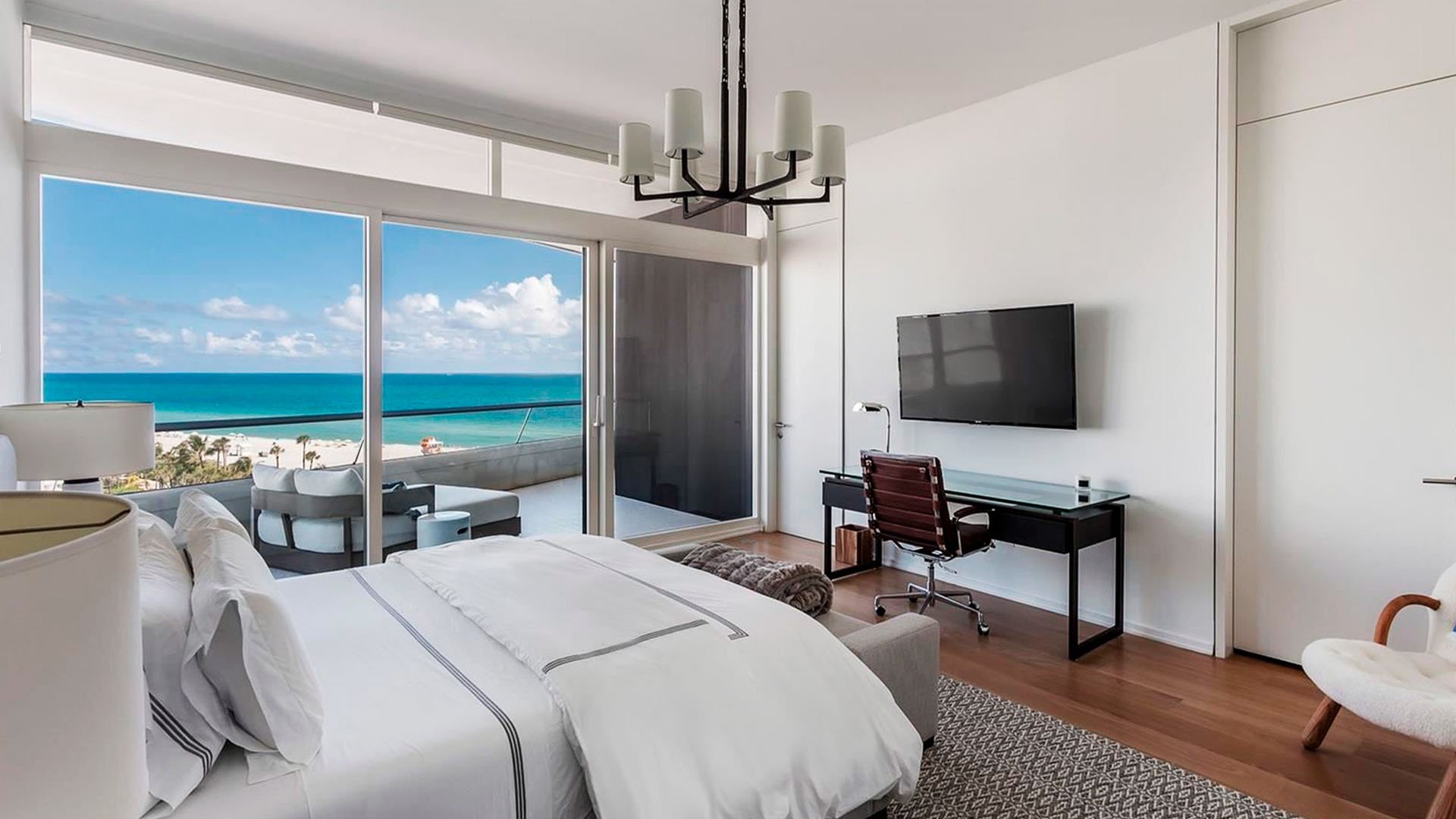
A South Beach residence presents two distinct propositions: the private home and the waterfront system that supports it. Before making an offer, a buyer should understand precisely where one ends and the other begins. The view may be immediately legible; responsibility for terraces, glazing, exterior doors, waterfront structures, drainage, mechanical equipment, and shared amenities may be far less so.
Begin by requesting the governing documents, available surveys, current budget, reserve materials, insurance information, meeting records, maintenance history, pending contracts, and any notices relevant to the property. The objective is not merely to assemble a file. It is to determine who controls each waterfront component, who maintains it, how decisions are approved, and how costs may reach owners.
This Buyer's Guides framework applies whether the target is a primary residence, a Resale acquisition, or a Second-home purchase intended for seasonal use.
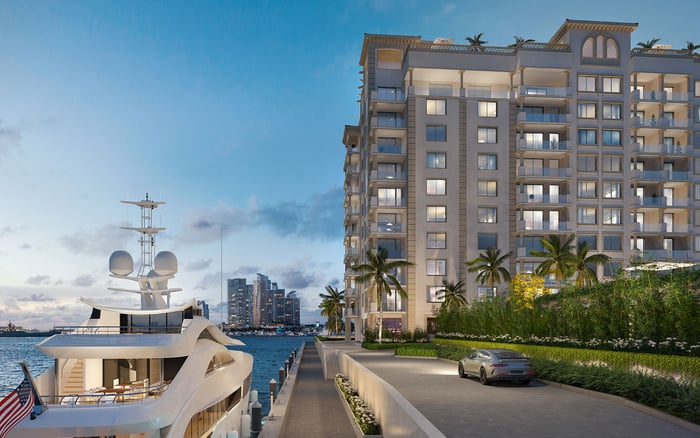
Waterfront should never be treated as a single feature. Determine whether access areas, promenades, docks, landscape edges, seawalls, beach-facing amenities, and service corridors are common elements, limited common elements, privately controlled areas, or outside the condominium property. If the marketing presentation suggests special access or use, locate that right in the controlling documents.
Buyers comparing Apogee South Beach with other South of Fifth options should apply the same discipline to every candidate: confirm rights through documents, not inference. Ask whether use can be reassigned, restricted, interrupted for repairs, or governed by separate rules. If a boat slip, cabana, storage area, or parking space matters to the offer, establish how it is identified and transferred.
Also determine who can authorize waterfront work and how construction may affect owner access. A desirable edge condition can still require complex coordination, so decision-making authority warrants the same scrutiny as physical condition.
A polished residence does not resolve questions about the larger building envelope. Request available information concerning roofs, façades, balconies, windows, doors, waterproofing, garage areas, drainage paths, pumps, generators, elevators, and mechanical rooms. Focus on inspection history, open repair items, recurring conditions, warranties, maintenance cycles, and planned capital work.
For an Oceanfront property, orientation matters to the buyer's review, but it is no substitute for records. Request an explanation of how wind-driven rain, surface water, and power loss are anticipated and managed. Ask where critical equipment is located, which systems receive backup power, and how management tests essential equipment.
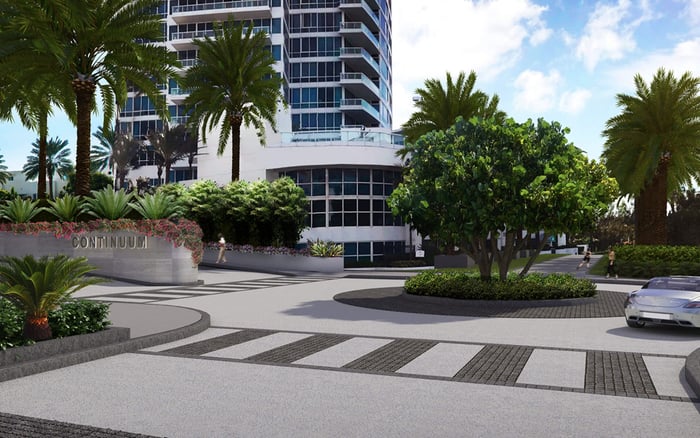
When considering Continuum on South Beach or another large waterfront community, compare not only the residences but also the clarity of operating protocols. The strongest answer is a coordinated set of documents, responsibilities, vendors, and communication procedures-not a general assurance that the building is prepared.
Storm preparation should be evaluated as a sequence: monitoring, securing the property, communicating with residents, restricting access, assessing conditions, and reopening. Determine who leads each stage and whether responsibilities change when management, staff, or vendors cannot reach the site.
Questions should address shutters or impact protection, terrace furniture, vehicles, pets, deliveries, elevator operation, amenity closures, emergency contacts, and the treatment of unattended units. A seasonal owner should determine whether management may enter a residence in an urgent situation, what authorization is required, and whether a local representative should be designated.
At The Ritz-Carlton Residences® South Beach, as with any service-oriented address under consideration, buyers should distinguish routine hospitality from emergency responsibilities. Ask which services are contractual, which are discretionary, and which may pause before or after a storm.
An insurance review is incomplete until the buyer understands the boundary between the association policy and the owner's policy. Ask an insurance professional and counsel to compare covered property, exclusions, deductibles, limits, loss-assessment exposure, interior improvements, personal property, temporary living costs, and any requirements imposed on owners.
Then connect that analysis to the association's financial position. Review available reserve information, current projects, recent expenditures, planned work, special assessments, collection issues, and the method used to prioritize capital needs. Ask how a large deductible or uninsured expense would be allocated. The central question is not simply whether reserves exist, but which obligations they are intended to address.
A buyer evaluating Five Park Miami Beach alongside established buildings should tailor the document request to the property's stage and operating history. Newer and longer-established communities present different records, but neither should be assessed by age alone.
Preparedness continues after the weather clears. Determine how residents receive updates, who inspects common areas, when elevators and garages can reopen, how water intrusion is documented, and how vendors are mobilized. Clarify whether owners can access their units during restricted periods and which credentials are required.
For a Miami Beach buyer who travels frequently, communication may be as important as equipment. Request sample emergency notices if available, confirm that contact details can be maintained for multiple household members, and ask how management handles an unreachable owner.
Finally, ensure the offer strategy reflects the review. The contract, timing, document access, insurance consultation, inspections, and professional advice should work together. Waterfront ownership rewards precision. A serene outlook is most compelling when the obligations behind it are equally clear.
What is the first waterfront ownership question to ask? Ask which waterfront components are part of the unit, common property, or subject to separate rights and rules.
Should verbal assurances influence an offer? Treat them as prompts for further review, then seek confirmation in the applicable documents.
Which building systems deserve attention before storm season? Ask about the envelope, drainage, pumps, elevators, backup power, garages, and critical mechanical equipment.
How should a buyer review storm procedures? Request the written plan and identify who secures, inspects, communicates, restricts access, and authorizes reopening.
Why does the association insurance boundary matter? It helps the buyer and advisers identify what the owner may need to insure separately.
What should be asked about deductibles? Ask how deductibles apply, how costs may be allocated, and whether the owner's coverage addresses that exposure.
Are reserves enough to establish financial readiness? Not by themselves. Review what reserves are intended to fund alongside planned work and other potential obligations.
What should an absentee owner arrange? Confirm emergency contacts, access authorization, unit-entry rules, and whether a local representative is advisable.
How can buyers compare storm readiness between buildings? Compare written procedures, maintenance records, financial planning, insurance boundaries, and post-event protocols.
Who should review the due diligence materials? Appropriate legal, insurance, inspection, and financial professionals can evaluate issues within their expertise.
For a confidential assessment and a building-by-building shortlist, connect with MILLION.
If branded residences are on your mind — as a home or as an allocation — we would be glad to share what we are seeing, privately.
Begin a quiet conversation