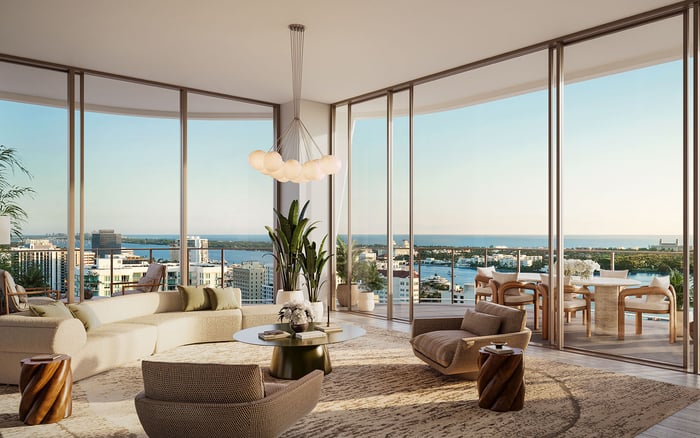
A refined due diligence guide for buyers evaluating branded luxury residences in South Florida, focused on brand governance, product execution, association finances, lifestyle fit, and exit liquidity.
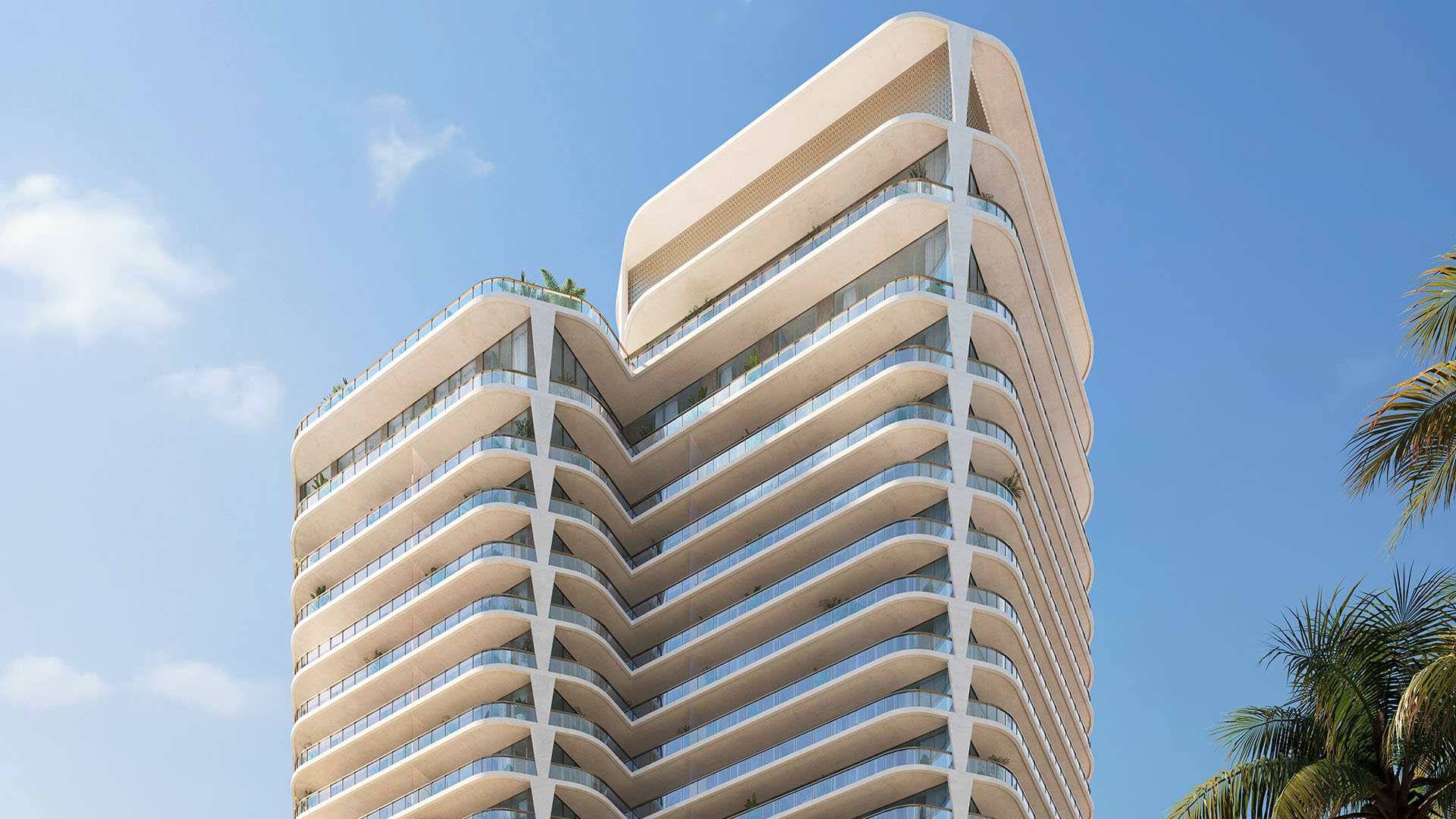
For a serious buyer, a branded residence is not merely a beautiful address with a familiar name attached. It is a capital-allocation decision expressed through architecture, services, legal obligations, and neighborhood fundamentals. The essential question is not whether the brand feels desirable today. It is whether the full ownership structure justifies a seven- or eight-figure commitment over the period you intend to hold the residence.
That distinction matters in South Florida, where branded residences can appeal to buyers seeking discretion, service, design coherence, and a sense of permanence. A buyer considering Baccarat Residences Brickell should evaluate more than the prestige of the name. The lens should include urban, branded, riverfront-style Brickell living, the daily rhythm of the location, privacy expectations, and how the building may be interpreted by a future resale buyer.
The same discipline applies to Faena Residences Miami Downtown Miami, where the decision is tied to a culture-driven, hospitality-oriented residential concept. And it applies to Banyan Tree Residences West Palm Beach, where buyers should bring the same scrutiny to delivery, governance, carrying costs, and long-term demand before falling in love with the presentation.
The brand is valuable only if its promise survives daily life. Buyers should ask how the name translates into resident services, amenity programming, staffing standards, hospitality protocols, design oversight, and governance. A compelling sales gallery can create desire, but ownership begins after closing, when the association, management structure, and operating budget become tangible.
Brand governance deserves particular attention. Ask how long the brand agreement lasts, who enforces the standards, what rights the brand retains, and what happens if the relationship changes. A residence sold on brand identity should be evaluated for the durability of that identity, not only its current marketing power.
For a Faena-style residence, the sharper question is whether the cultural and hospitality ecosystem creates durable value, or whether it primarily represents a marketing premium. If the brand experience is central to the purchase, buyers should insist on understanding how that experience is funded, governed, and protected.
In the luxury market, finishes are not decorative details. They are part of the investment thesis. Buyers comparing Baccarat-style residences should ask direct questions about product quality, construction execution, material consistency, and whether the delivered interiors are likely to match the expectations created by the brand.
This is where developer track record becomes essential. Branded residences can diverge meaningfully in delivery quality and long-term execution risk. A buyer should understand who is responsible for execution, how prior projects performed, and whether the development team has demonstrated discipline in completing complex luxury residential buildings.
Construction phasing is equally important. Ask what will be completed at delivery, what remains under development, and how future work may affect privacy, access, noise, views, services, and quality of life. A residence can be exquisite inside and still be temporarily compromised if surrounding phases remain unresolved.
In Brickell, these questions become especially practical. A buyer focused on Baccarat Residences Brickell should test whether the Brickell lifestyle supports commute patterns, dining habits, privacy needs, guest access, and resale strategy. Brickell can be a powerful fit for certain buyers, but that fit should be proven against real use, not assumed from a rendering.
The association is where the romance of the purchase meets the arithmetic of ownership. Serious buyers should review expected dues, reserves, insurance obligations, staffing costs, service contracts, maintenance assumptions, and the possibility of future assessments. The more service-rich the concept, the more important it is to understand the operating model behind it.
South Florida also requires careful attention to insurance and climate exposure. This is not simply a cost line. It is part of resale-risk analysis, because future buyers will consider the same ownership costs, association health, and building resilience when deciding whether to pay a premium.
The legal structure should be read as closely as the floor plan. Buyers should compare projects not only by amenities and renderings, but by service obligations, reserve philosophy, insurance responsibilities, and the rights and limits imposed by the governing documents. A beautiful lobby does not offset a weak financial structure.
Location is not an abstraction at this level. It is how the residence performs in daily use and how a future buyer will frame value. Downtown Miami, Brickell, and West Palm Beach do not offer the same living proposition, and they should not be evaluated as interchangeable luxury markets.
A buyer looking at Faena Residences Miami Downtown Miami should ask how the hospitality and cultural proposition fits personal routine, entertaining style, and tolerance for an evolving urban setting. A buyer focused on West Palm Beach should consider whether that city’s rhythm, access patterns, and lifestyle profile align with intended use. The question is not which address is universally better. It is which address is more defensible for the buyer’s life and eventual exit.
Exit liquidity should be part of the purchase decision from the beginning. Branded residences may command premiums, but resale still depends on future demand, association health, neighborhood trajectory, and confidence in the building’s operating model. The buyer who asks these questions before signing is not being cautious for its own sake. The buyer is protecting optionality.
Before choosing among branded residences, ask a disciplined set of questions. What exactly does the brand provide after closing? How long does the brand agreement last? Who pays for the service model? What amenities and services are guaranteed at delivery? What remains subject to phasing? How strong is the developer’s record? How are reserves, insurance, staffing, and future assessments being handled?
Then ask the personal questions. Will the address support your actual week? Does the building provide the privacy you expect? Will guests, family, staff, and advisors find the location practical? If you needed to sell, who is the next buyer, and why would that buyer pay a premium?
The most sophisticated buyers are not immune to the appeal of beauty, service, and brand. They simply insist that each of those qualities be supported by documents, budgets, governance, and location fundamentals. That is the difference between buying an image and acquiring a residence with lasting integrity.
Should I buy a branded residence mainly because I admire the brand? No. The brand matters, but it should be evaluated alongside governance, delivery quality, association finances, and resale liquidity.
What should I ask about brand governance? Ask how long the brand agreement lasts, who enforces standards, what rights the brand retains, and what happens if the brand relationship changes.
Why are association finances so important in luxury condominiums? They shape carrying costs, reserve strength, insurance planning, service quality, and the risk of future assessments.
How should I evaluate Baccarat Residences Brickell? Consider the brand, but also test the Brickell location, product execution, privacy, daily convenience, and resale strategy.
How should I evaluate Faena Residences Miami Downtown Miami? Focus on how the cultural and hospitality concept becomes a reliable day-to-day residential experience.
How should I approach Banyan Tree Residences West Palm Beach? Bring the same scrutiny to delivery, governance, carrying costs, lifestyle fit, and long-term demand before relying on presentation alone.
What should I ask about construction phasing? Ask what will be completed at delivery, what remains under development, and how future work could affect quality of life.
Why does insurance matter for a luxury buyer? Insurance can affect ownership cost, association budgets, future assessments, and resale confidence in South Florida.
What is exit liquidity? It is the ability to resell into a future buyer pool that still values the building, brand, association, and neighborhood.
What is the best way to shortlist comparable options for touring? Start with location fit, delivery status, and daily lifestyle priorities, then compare stacks and elevations to validate views and privacy.
For a tailored shortlist and next-step guidance, connect with MILLION.
If branded residences are on your mind — as a home or as an allocation — we would be glad to share what we are seeing, privately.
Begin a quiet conversation