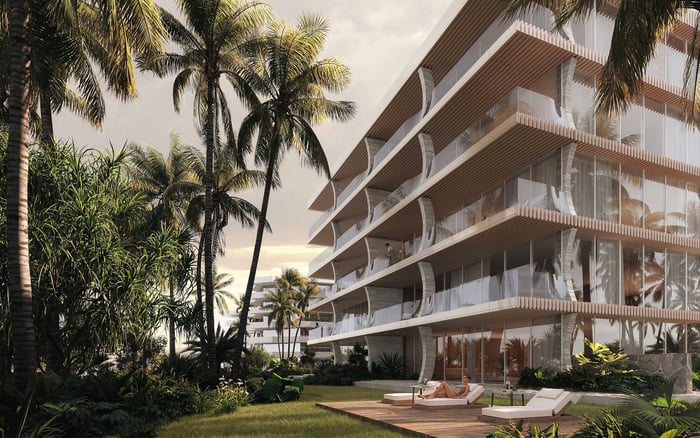
A buyer-focused due-diligence guide for evaluating luxury residences in West Palm Beach, from documents and budgets to building systems, insurance, resident culture, and resale liquidity.
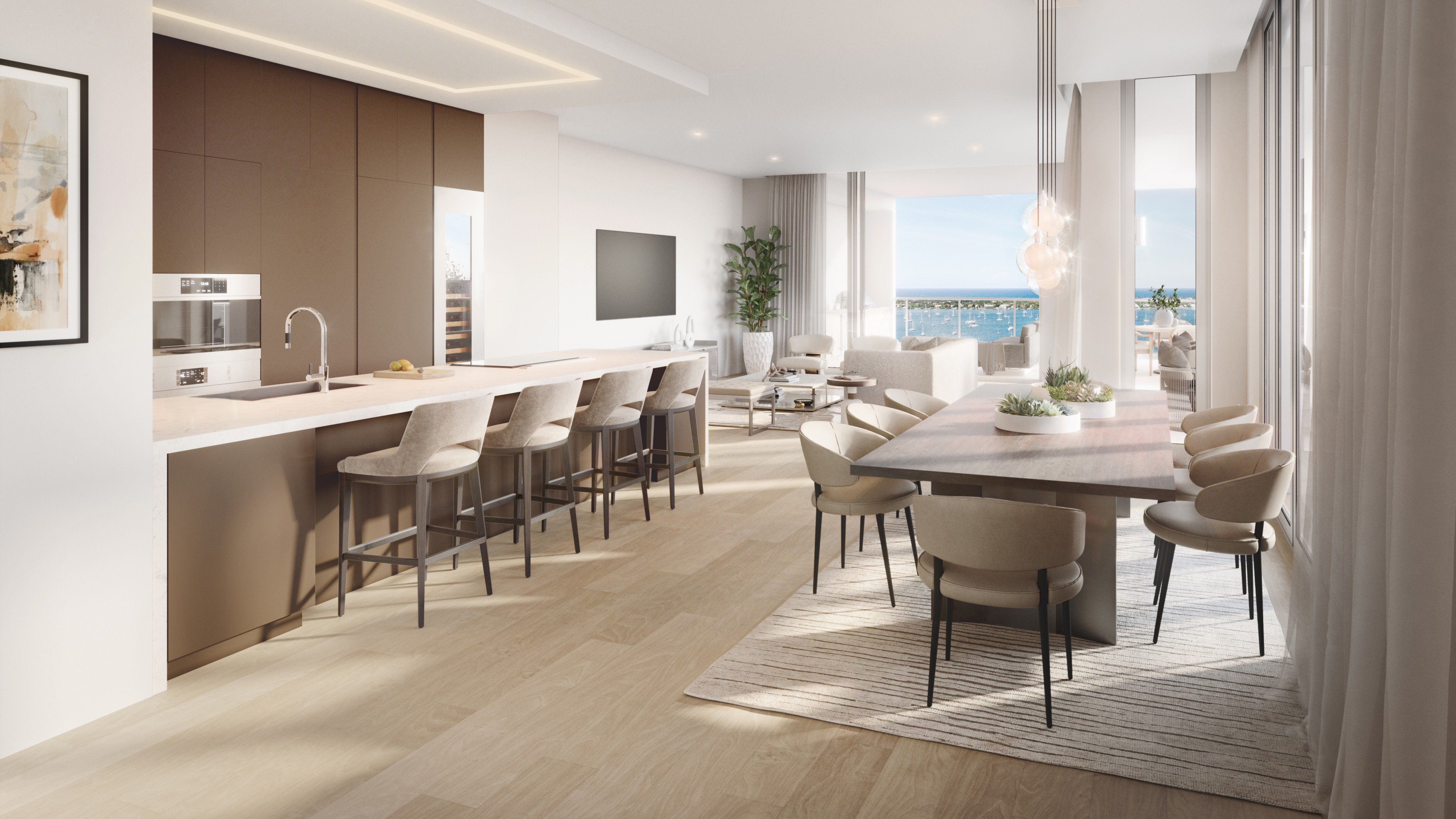
A serious residence purchase in West Palm Beach should begin well before a preferred floor plan is selected. In the ultra-premium market, the most consequential questions are often not about the kitchen finish, terrace depth, or view corridor. They are about ownership rights, obligations, ongoing costs, technical risk, future governance, and how the building may perform after the first wave of sales energy has passed.
That is especially true when buyers are considering residences like Alba West Palm Beach and Nora House West Palm Beach. The question is not simply which address feels more compelling today. It is which ownership structure, document package, operating model, and long-term cost profile best fit the buyer’s lifestyle and balance sheet.
Think of this as a buyer’s-guide framework for the discreet buyer who is comfortable asking direct questions. In pre-construction and new-construction purchases, elegance should be matched by precision. The residence may be emotional. The diligence should not be.
Before discussing finishes, ask who is responsible for the project. The developer, sponsor, builder, architect, and future operator each matter because luxury coastal residential projects require coordination among design ambition, construction discipline, service culture, and long-term maintenance. A beautiful rendering is not a substitute for experience.
Buyers should ask whether the parties involved have a track record with coastal luxury residential work and how responsibilities are divided. Who is accountable if the delivery schedule moves? Who has authority over substitutions? Who communicates with purchasers? Who will operate the building once the development team transitions away?
The capital structure deserves equal attention. Serious buyers should request clarity on construction financing, completion assurances, deposit treatment, cancellation rights, assignment rights, developer fees, transfer fees, and required club or amenity charges. The goal is not to assume risk where none exists. It is to understand what happens if timelines, costs, or market conditions change.
For an investment-minded buyer, these questions are not academic. They shape liquidity, negotiating power, and the likelihood that the asset remains easy to own when the market becomes less forgiving.
Luxury buyers often read a floor plan with sophistication, yet the building systems behind the walls can matter just as much. Ask about envelope design, waterproofing, windows, mechanical systems, elevators, drainage, and long-term maintenance expectations. In coastal South Florida, these items are not background details. They are central to ownership quality.
A buyer considering Forté on Flagler West Palm Beach alongside other West Palm Beach residences should compare more than amenity decks and view angles. Ask how each building addresses hurricane exposure, wind loads, flood risk, storm surge, backup power, and insurance requirements. The answers may affect comfort, carrying costs, and future resale perception.
Also ask what protections exist if finishes change, amenities are modified, delivery is delayed, or services are not delivered as marketed. Purchase agreements, offering documents, disclosure statements, warranties, default provisions, construction timelines, and dispute-resolution clauses should be reviewed by counsel before signing. In the luxury market, the most elegant decision is often the best documented one.
The condominium or association documents are the operating constitution of the building. Buyers should review bylaws, rules, budgets, reserve policies, use restrictions, voting rights, and developer-control provisions. These materials reveal how the property will be governed after the sales center closes and residents begin living with one another.
The budget deserves close scrutiny. Does it realistically reflect staffing, security, amenity operations, insurance, utilities, repairs, reserves, and future capital needs? A building can feel underpriced at launch if the budget is too lean, or expensive if allocations are not well understood. Ask how maintenance fees are calculated and whether larger residences, premium-view units, parking, storage, private outdoor areas, or other elements carry different cost allocations.
Rental and guest policies should also be examined carefully. Minimum lease terms, short-term rental restrictions, pet rules, guest access policies, and investor use can shape both lifestyle and resale value. A quiet primary-residence culture feels different from a building with a larger share of seasonal users, pied-à-terre owners, or investors. Neither is inherently right or wrong, but each has implications for service demand, governance, and atmosphere.
Amenities should be evaluated through the lens of actual usage and long-term cost. A polished amenity program can be persuasive, but buyers should ask how spaces will be staffed, how guests will be managed, what service standards are expected, and how maintenance will be funded over time.
The difference between an amenity that photographs well and one that operates beautifully is staffing, governance, and budget discipline. If a buyer is also comparing branded or service-rich alternatives such as The Ritz-Carlton Residences® West Palm Beach, the same question applies: what, precisely, is included in the ownership cost, and what may require separate charges, reservations, or rules?
Quoted prices should also be unpacked. Ask whether parking, storage, outdoor space, upgrades, designer finishes, smart-home systems, and other features are included or priced separately. Across luxury projects, similar language can hide very different economic realities.
In West Palm Beach, micro-location is not a minor detail. Buyers should investigate proximity to downtown, the waterfront, cultural venues, dining, offices, traffic corridors, and possible nearby development. A residence can be close to the same district yet offer a different daily experience because of access, noise, privacy, street context, and future surroundings.
A buyer weighing Mr. C Residences West Palm Beach against other addresses should compare not only the lifestyle promise, but also the likely path to resale. Future supply of luxury condominiums and rentals may affect liquidity, rentability, and price appreciation. The strongest purchase is one that can be explained clearly to the next buyer, not only admired by the current one.
At the unit level, evaluate whether the view, floor height, exposure, noise profile, privacy, elevator access, and floor-plan efficiency justify the premium over competing residences. A higher price can be rational if the underlying scarcity is real. It is less convincing when the premium rests only on presentation.
The purpose of diligence is not to diminish the pleasure of buying a special residence. It is to protect that pleasure. A luxury home should feel effortless, but that ease is usually the result of careful questioning before contract.
Ask who stands behind the building, how it is financed, how it will be insured, how it will be governed, how costs are allocated, and how the residence might perform in a future resale market. Then compare the answers across both new-development and resale alternatives in West Palm Beach. The buyer who can separate romance from risk is the buyer most likely to enjoy both the home and the ownership.
What is the first question buyers should ask before choosing a residence like Alba West Palm Beach? Ask whether the purchase has been evaluated as a full ownership decision, including rights, obligations, carrying costs, risk exposure, and exit strategy.
Should I focus on the developer before reviewing the floor plan? Yes. The developer, sponsor, builder, architect, and operator can influence delivery, quality, operations, and long-term confidence.
Why are association documents so important? They govern budgets, rules, reserves, voting rights, use restrictions, and the transition from developer control to owner governance.
What should I ask about monthly maintenance fees? Ask how fees are calculated and whether parking, storage, larger residences, premium views, or private outdoor spaces affect allocations.
How should coastal risk factor into the decision? Buyers should ask about wind loads, flood risk, storm surge, drainage, backup power, insurance requirements, deductibles, and exclusions.
Are amenities always a value advantage? Not automatically. Amenities add value when they are well used, properly staffed, clearly governed, and realistically funded over time.
Why does resident mix matter? A building with mostly primary residents may feel different from one with many seasonal owners, pied-à-terre users, or investors.
What documents should counsel review before signing? Counsel should review purchase agreements, offering documents, disclosures, warranties, timelines, default provisions, and dispute clauses.
How should I compare new development with resale options? Compare pricing, carrying costs, view quality, building culture, liquidity, and the level of uncertainty still attached to delivery.
What makes a premium residence worth the premium? The premium should be supported by scarce view, privacy, efficient planning, strong operations, resilient systems, and credible resale logic.
If you'd like a private walkthrough and a curated shortlist, connect with MILLION.
If branded residences are on your mind — as a home or as an allocation — we would be glad to share what we are seeing, privately.
Begin a quiet conversation