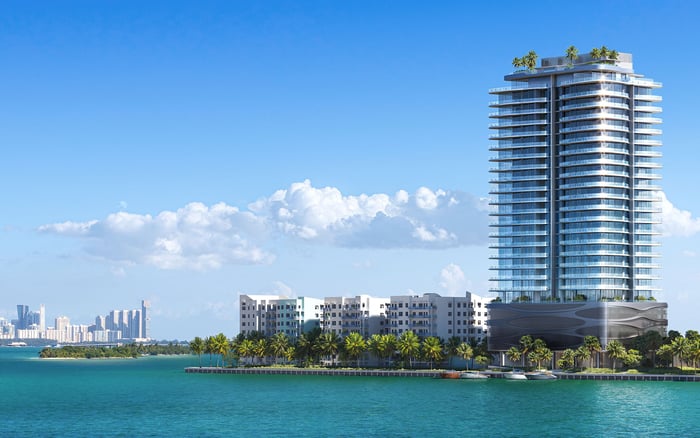
A Miami Beach second home deserves more than a design review. Request the developer disclosures, examine ownership and privacy questions with counsel, and confirm reporting requirements for the actual closing date rather than relying on a presumed FinCEN pause.

The appeal of a Miami Beach residence may be immediate: a place to arrive quietly, host family and enjoy the coast on your own schedule. The purchase decision should be less instinctive. Before committing to a new-construction condominium, establish what you are buying, how you may use it, what ownership will cost and what your chosen ownership structure requires.
Organize your requests into three files: developer and condominium documents, ownership and public-records review, and closing-compliance instructions. Keep them coordinated, but never treat one as a substitute for another.
One caution warrants attention from the outset: the phrase “paused FinCEN reporting regime” is not a closing instruction. Have counsel confirm whether any pause applies, its effective dates and scope, and its effect on your transaction. Neither a historical reporting threshold nor an assumed suspension establishes the requirements for your closing.
Request the disclosure documents applicable to a developer sale under Florida condominium law. Have your attorney check the package for completeness and identify applicable review and cancellation deadlines before they expire. A newly built residence and a developer sale are not interchangeable descriptions; counsel should determine which transaction rules apply rather than defaulting to a resale checklist.
Request the declaration, articles of incorporation, bylaws and rules, along with the applicable budget and financial disclosures. Ask the sales team to identify amendments, and have counsel reconcile the documents with the purchase agreement.
If The Perigon Miami Beach is on your shortlist, apply the same document-first approach you would to any candidate residence. A project presentation can introduce the property; the applicable documents require a separate review.
Maintain a dated document index recording what you have received, what remains outstanding and which adviser will review each item. This keeps unresolved questions visible before a contractual deadline becomes urgent.
For a seasonal owner, occupancy provisions can be as consequential as the floor plan. Ask counsel to identify the provisions governing leasing, unaccompanied guests, corporate ownership, voting control and assessments.
Describe your intended use precisely. Will adult children visit without you? Do you anticipate leasing during extended absences? Would a company or trust purchase the residence? Test these plans against the documents rather than assuming permission from a general description of second-home living.
When considering Shore Club Private Collections Miami Beach, distinguish between the residence you envision and the use the governing documents permit. This is a diligence recommendation, not a statement about the project's particular rules.
Request a written explanation of any provision that appears inconsistent with your plans. Resolve material ambiguities with counsel rather than relying on informal assurances.
When units and common-element improvements are offered before completion, the developer must make full plans and specifications available to prospective purchasers at a location convenient to the site. Request access, and ask your advisers which portions warrant professional review.
Separately, seek signed, permitted plans and have an appropriate professional compare them with the sales materials and condominium documents. This is an additional diligence request, not a claim that every requested drawing must automatically be delivered in that form.
Focus on the features that matter to your purchase. Ask which document defines the proposed residence and common elements, and have counsel examine how the agreement addresses changes. The objective is consistency among the presentation, plans and contractual commitments-not simply a more detailed rendering.
Obtain the applicable operating budget and financial disclosures. Have advisers evaluate reserve allocations and projected carrying costs rather than treating a marketing estimate as a complete ownership budget. Ask them to identify assumptions that warrant further explanation.
For a residence under consideration at Five Park Miami Beach, as elsewhere, anchor the review in the documents for your specific transaction. Another building's charges or reserve position cannot substitute for the information relevant to your purchase.
Ask whether a milestone inspection applies, and request the inspector-prepared summary when required and available. Do not assume a new building already has one. Request the most recent Structural Integrity Reserve Study when applicable and available, and ask how its findings affect future association charges.
Establish whether control has transferred from the developer to owners. Request any applicable turnover inspection report so advisers can examine defects and outstanding work. Distinguish documents that are not yet applicable from those that should be available but remain undelivered.
Treat privacy as a matter for transaction-specific advice, not a promised feature of an LLC or trust. Ask counsel for a written explanation of what would be submitted, recorded or otherwise disclosed under the proposed structure-and to whom.
For the property review, ask the title team to identify the relevant public-record searches and explain how it will evaluate ownership, liens and other title matters. For an entity purchase, request a checklist of the formation, authority and filing documents counsel considers necessary. These are requests for professional verification, not assumptions about what a registry reveals.
For a trust purchase, ask which trust or authority documents the closing team requires and whether information about trustees, settlors or beneficiaries must be provided. Do not automatically apply an entity equity-ownership test to a direct trust purchase.
Separate three questions: what is publicly accessible, what closing professionals request privately, and what a government reporting obligation requires. The answers should not be assumed to be identical. Request a current assessment of entity-filing obligations rather than assuming every U.S. entity must make a Corporate Transparency Act filing.
South Florida has a history of geographic targeting of certain entity purchases of residential property. Historically, the Phase 19 geographic targeting order covered qualifying non-financed residential purchases of at least $300,000 by legal entities in Miami-Dade, Broward and Palm Beach counties, among other jurisdictions.
Under those historical orders, the beneficial-owner test reached individuals holding at least 25% of the purchasing entity's equity, directly or indirectly. Covered title insurance companies handled the identification requirements. Layered entities therefore did not eliminate the historical ownership inquiry; ask advisers to map the individuals behind the purchasing entity.
Those orders operated for defined periods. Their thresholds do not independently establish a future closing's obligations, and the historical entity test does not settle trust treatment. Request dated, written instructions identifying the requirements applicable to your purchaser, financing structure and closing date, including whether any claimed pause changes them.
The goal is a purchase file with clear responsibilities, documented answers and no unresolved assumptions about use, cost or disclosure.
For a considered approach to your Miami Beach second-home search, explore MILLION.
If branded residences are on your mind — as a home or as an allocation — we would be glad to share what we are seeing, privately.
Begin a quiet conversationRequest the applicable developer disclosure package, including governing documents, budget and financial disclosures. Have counsel check completeness and applicable deadlines.
Do not assume that the building's age determines the transaction category. Have counsel establish whether the purchase is a developer or nondeveloper sale and apply the appropriate requirements.
Review provisions governing leasing, guests, corporate ownership, voting control and assessments. Test them against your intended occupancy and ownership arrangements.
When units and common-element improvements are offered before completion, full plans and specifications must be made available at a location convenient to the site. Separately request signed, permitted plans for professional comparison.
Not necessarily. Ask whether a milestone inspection is applicable and request the inspector-prepared summary when required and available.
Request the most recent Structural Integrity Reserve Study when applicable and available. Establish turnover status and obtain any applicable turnover inspection report.
Do not assume it does. Ask counsel to distinguish public-record visibility, private closing-document requests and applicable government reporting obligations.
No automatic application should be assumed. Obtain transaction-specific advice on trust documentation and reporting treatment.
Phase 19 covered qualifying non-financed residential purchases of at least $300,000 by legal entities in Miami-Dade, Broward and Palm Beach, among other jurisdictions. That historical threshold does not establish obligations for a future closing.
Do not rely on a presumed pause. Ask counsel and the closing team to confirm dated requirements and whether any pause applies to your particular transaction.