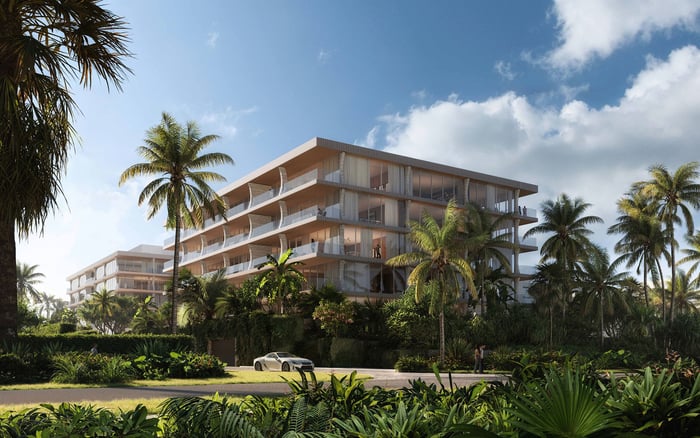
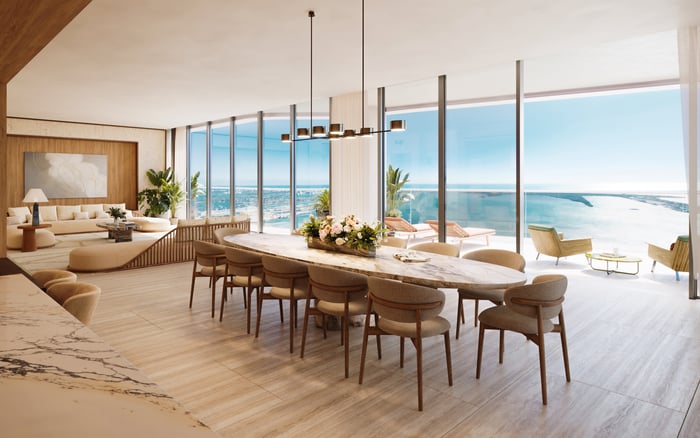
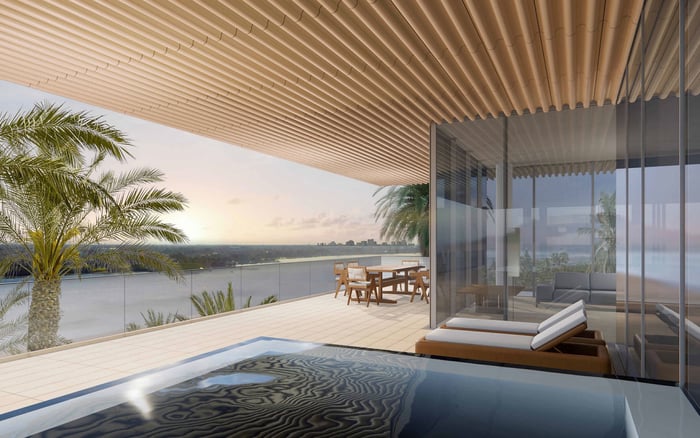
A practical due-diligence framework for evaluating wellness amenities, service quality, medical access, and offer protections in Palm Beach luxury condominiums.
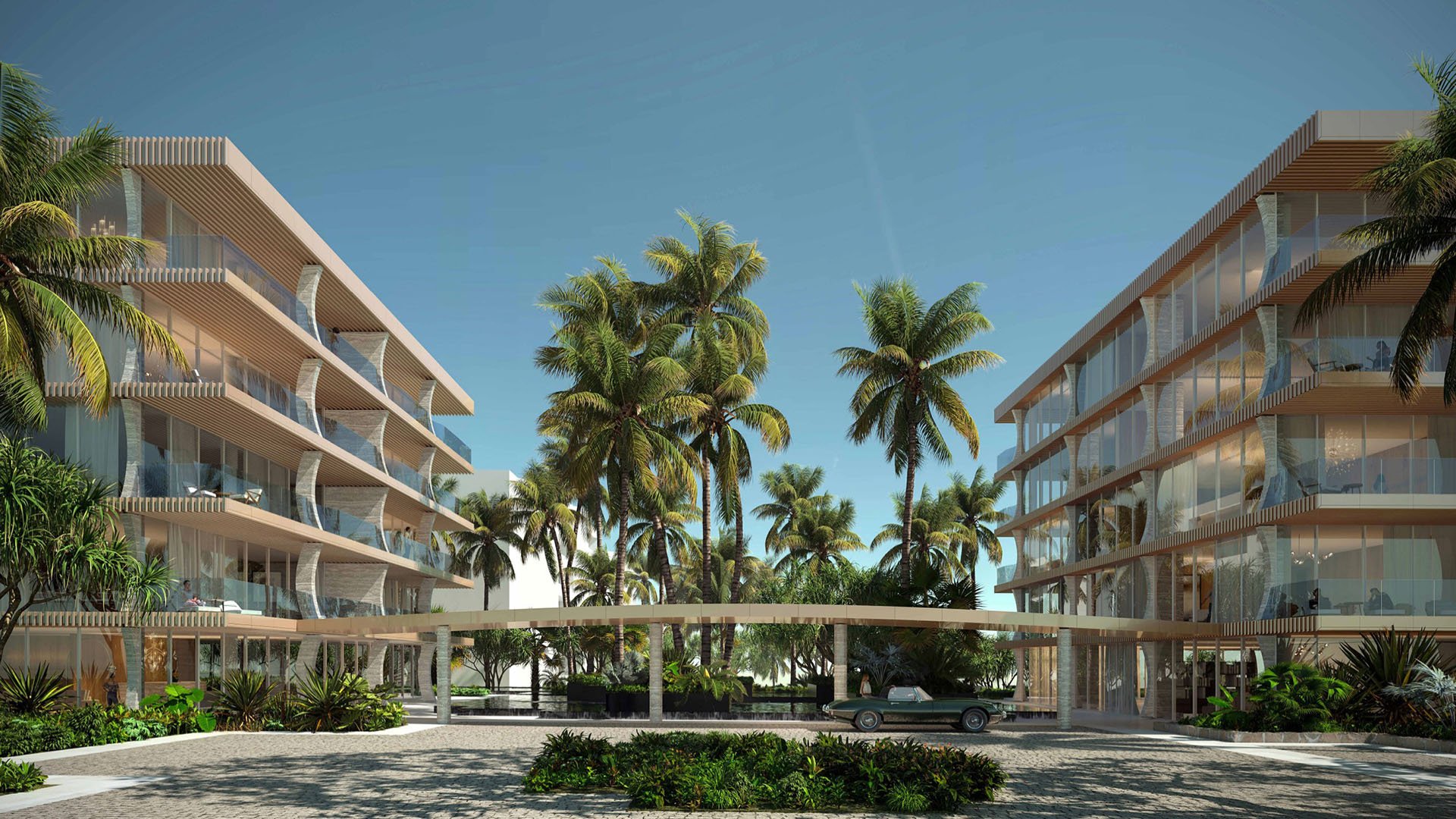
In Palm Beach luxury real estate, a wellness program should be evaluated as more than an attractive collection of rooms. The central question is whether the building can support the way an owner intends to live-consistently and discreetly throughout the year.
Begin with personal routines. A buyer who trains daily has different requirements from one who prioritizes recovery, outdoor movement, private treatments, or low-impact exercise. Ask which spaces are available without advance planning, which require reservations, and whether peak-hour demand could disrupt a preferred schedule. A beautifully presented amenity has limited value if access is inconvenient.
For lifestyle-focused purchasers, the strongest amenity package is not necessarily the longest. It is the one whose spaces, rules, staffing, acoustics, privacy, and hours align with daily habits. This principle applies equally to a primary residence and a seasonal home.
Request a precise explanation of every wellness component represented in sales materials. Determine whether each space will be delivered as a permanent common element, whether equipment is included, and whether programming depends on an outside operator. Buyers should also ask who controls schedules, service standards, instructor access, guest privileges, and future changes.
Operational questions deserve equal attention. Is the fitness area staffed or monitored? How are private sessions handled? Can residents bring personal trainers or therapists? Are treatment rooms bookable without purchasing a service? What cleaning, ventilation, towel, locker, and equipment-maintenance routines are contemplated? If a feature is important to the purchase decision, confirm its availability through the appropriate documents rather than inferring it from imagery.
Costs require similar clarity. Ask whether classes, consultations, treatments, private bookings, or guest access carry separate charges. Review how wellness operations appear in the proposed or current budget and whether specialized equipment may create replacement obligations. New-construction buyers should distinguish between the experience envisioned at launch and the binding commitments governing delivery and operation.
Wellness begins before entering a fitness studio. Trace the route from the residence to each amenity. Consider elevator changes, interaction with service corridors, exposure to hotel or club users, and the ease of moving through the building in workout attire. Buyers sensitive to privacy should ask whether visitors, staff, or nonresident members may share any wellness areas.
Then consider the residence itself. Natural light, terrace usability, bedroom separation, sound control, and space for stretching or compact equipment may influence wellbeing more often than a signature spa. Ask how mechanical systems, glazing, shades, and outdoor areas are controlled and maintained, without assuming a marketing label establishes performance.
This broader lens can help when comparing options such as Palm Beach Residences and The Ritz-Carlton Residences® West Palm Beach. The objective is not to compare amenity counts, but to examine how each building’s proposed or existing experience fits the buyer’s schedule, privacy expectations, and ownership pattern.
Medical proximity should not be reduced to a map radius. Buyers should identify the care they use and test the corresponding journeys from the property. That may include routine appointments, specialists, imaging, rehabilitation, pharmacy needs, or urgent care. A household managing an ongoing condition will apply a different standard from one seeking general convenience.
Test routes at the times appointments are likely to occur. Consider bridge openings, seasonal congestion, building exit procedures, parking, drop-off arrangements, and the needs of a driver or caregiver. Confirm whether the residence offers practical access for mobility assistance and whether building staff may facilitate arrival, departure, or temporary service-provider access under its rules.
Emergency planning requires direct questions, not assumptions. Ask management how emergency personnel enter the property, reach residential floors, and access elevators during an incident. Confirm procedures for after-hours entry and whether residents must separately register household information. These questions do not replace professional medical or emergency guidance, but they reveal whether the building has considered access carefully.
Location choices across Palm Beach, West Palm Beach, and Boca Raton can produce different routines even when residences appear similarly refined. Buyers should build a weekly itinerary that includes healthcare, dining, family visits, airport transfers, recreation, and household services, then assess where friction is most likely to arise.
Within that comparison, Forté on Flagler West Palm Beach can be reviewed alongside coastal and in-town alternatives, while Alina Residences Boca Raton provides another point of reference farther south. These links are starting points for property-level inquiry, not substitutes for verifying current offerings, rules, fees, and access conditions.
The useful comparison is door-to-door living: residence to wellness space, garage to appointment, lobby to waiting driver, and private floor to emergency access. Small operational details often determine whether a luxury address feels effortless.
Before making an offer, request the materials appropriate to the property’s status. For an existing condominium, counsel can help review governing documents, budgets, meeting records, insurance information, rules, contracts, and disclosures. For a development, review the purchase agreement, condominium documents, plans, budgets, delivery provisions, and any language governing amenity modifications.
Create a written schedule of unanswered questions. Separate essential conditions from preferences. If a particular wellness space, access policy, or medical route materially affects the decision, ask the relevant professional how it can be verified and addressed within the offer or review period. Do not rely on a verbal assurance when the issue is central to value.
A disciplined offer also accounts for total ownership. Consider recurring assessments, optional service charges, staffing expectations, equipment replacement, parking arrangements, and the possibility that operating rules may evolve. The goal is not to eliminate every uncertainty, but to understand which party controls each feature and what remedy, if any, exists when expectations differ from the documents.
What is the first wellness question a Palm Beach condo buyer should ask? Ask whether the amenity program supports the routines you will use regularly, including preferred hours, privacy, reservations, and guest access.
Should buyers rely on renderings to evaluate wellness amenities? No. Confirm the relevant plans, specifications, governing documents, budgets, and purchase terms with qualified advisers.
How can a buyer judge whether a gym will feel crowded? Ask about residence count, operating hours, reservation policies, guest rules, and any shared access, then consider likely peak periods.
Are wellness classes usually included in condominium fees? Inclusion should never be assumed. Request a written breakdown of included programming, optional services, private bookings, and guest charges.
Why does amenity staffing matter? Staffing can affect cleanliness, scheduling, equipment oversight, privacy, and the consistency of the resident experience.
How should medical proximity be measured? Test realistic door-to-door trips for the care your household uses, at relevant times and with parking or driver logistics included.
What should seasonal residents ask about healthcare access? Consider how appointments, prescriptions, caregivers, mobility assistance, and emergency contacts will be managed while in residence.
What emergency-access questions belong on the checklist? Ask how responders enter the property, reach residential floors, use elevators, and gain access after hours.
Can wellness amenities affect long-term ownership costs? They can create operating, staffing, maintenance, and equipment-replacement obligations, which should be reviewed in available budgets and documents.
Who should review amenity promises before an offer becomes binding? Engage appropriate legal, financial, inspection, insurance, and medical advisers based on the property and your personal circumstances.
If you'd like a private walkthrough and a curated shortlist, connect with MILLION.
If branded residences are on your mind — as a home or as an allocation — we would be glad to share what we are seeing, privately.
Begin a quiet conversation