A luxury buyer’s guide to reviewing rental restrictions, guest policies, association approvals, amenity access, and practical risk before making an offer on a Hallandale Beach condo.
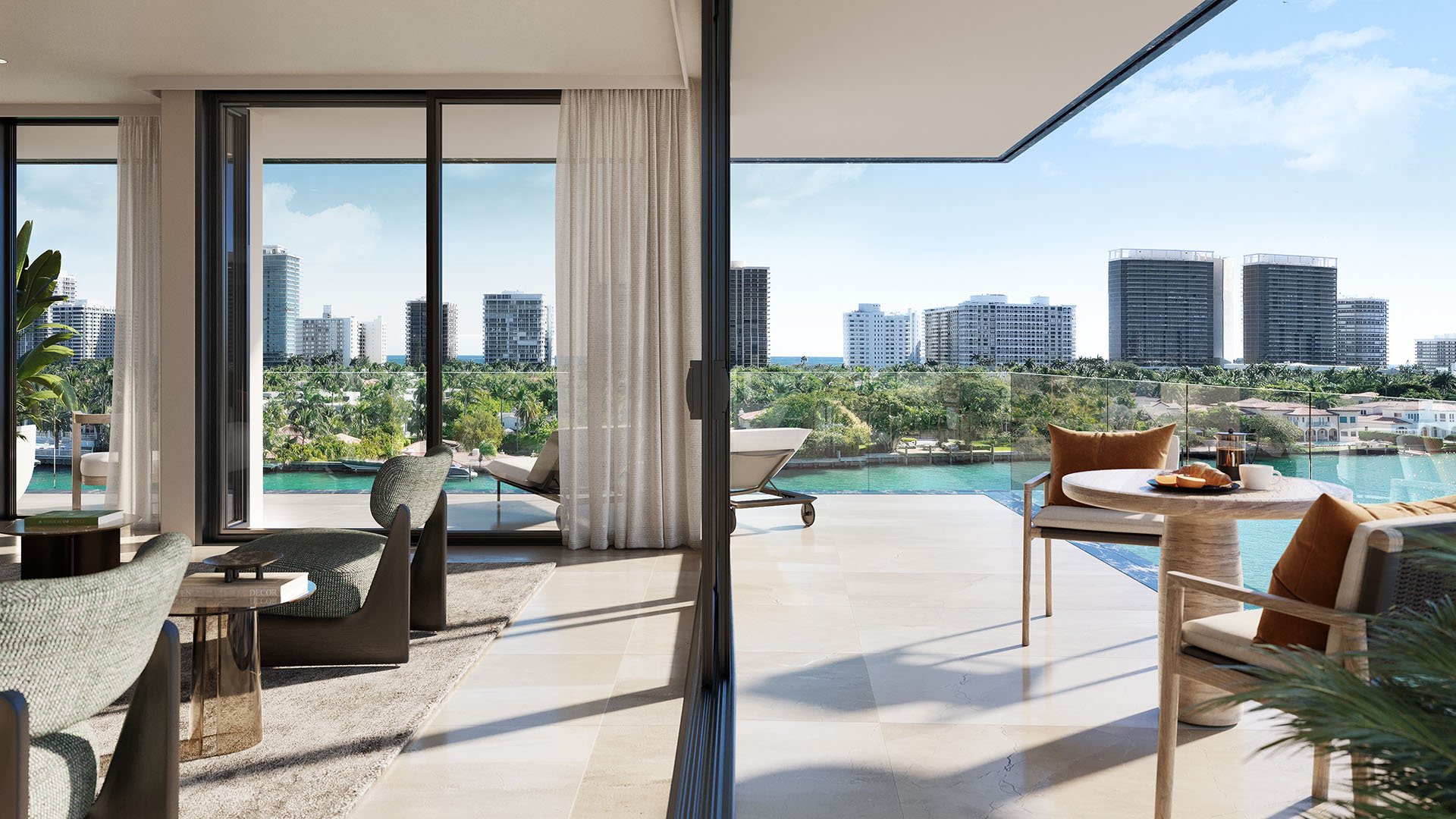
In Hallandale Beach, the strongest luxury condo purchase is rarely decided by the view alone. Ocean exposure, private elevators, resort-style amenities, and proximity to Aventura, Sunny Isles, Hollywood, and Fort Lauderdale all matter. Yet for many buyers, especially second-home owners and investment-minded purchasers, the defining question is quieter: what exactly can you do with the residence when you are not there?
Rental rules and guest policies influence income flexibility, resale audience, privacy, building culture, and the practical ease of ownership. A residence may feel effortless during a showing, but the governing documents can determine whether it functions as a private retreat, a seasonal pied-à-terre, a long-term rental asset, or a property with limited leasing potential. For readers using this as one of MILLION’s Buyer's Guides, the essential discipline is to ask before making an offer, not during a hurried review period.
Hallandale Beach has a distinct appeal because it sits between established coastal markets. Buyers may compare 2000 Ocean Hallandale Beach with neighboring options in Sunny Isles, Aventura, and Fort Lauderdale, but each condominium association can take a very different position on rent, guests, and owner privileges.
Begin with the minimum lease term. Ask whether the building permits annual leases, seasonal leases, monthly leases, or shorter stays. Do not rely on casual descriptions such as “rental friendly” or “no short-term rentals” without reviewing the written language. A single phrase in the declaration, bylaws, house rules, or application package can change the economics of ownership.
Next, ask how many leases are permitted per year. Some luxury buyers assume that if leasing is allowed, it can be repeated freely. That is not always the case. A building may permit one lease per year, limit renewals, require board approval for every tenant, or impose waiting periods after purchase. If your plan depends on flexibility, these details are not administrative. They are central to valuation.
Also ask whether there is an owner-occupancy requirement before the first lease. A buyer who plans to close and immediately lease the residence should know whether the association permits that sequence. If financing is involved, the lender may also care about leasing restrictions and the building’s rental profile.
Many buyers confuse guests with tenants. Associations often treat them differently. A guest may be a family member staying for a weekend, a friend using the residence while the owner is away, a domestic employee, or a repeat visitor. The question is not merely whether guests are allowed. It is how the building defines a guest and what process applies.
Ask whether guests must be registered in advance, whether identification is required, whether the owner must be present, and whether there are limits on length of stay. In full-service waterfront buildings, the front desk, valet, security team, and amenity staff all need clear instructions. A vague guest arrangement can create friction at precisely the moment an owner expects ease.
If you frequently host family, executives, staff, or international visitors, request the guest registration policy in writing. Confirm whether guests may receive keys, access elevators, use valet, enter the pool deck, reserve cabanas, or bring pets. The distinction between “occupying the unit” and “visiting the owner” can be important.
Luxury condo living is built around privileges, but not all privileges transfer automatically to tenants or guests. Ask whether a tenant may use the fitness center, spa areas, pool, beach service, lounges, business rooms, private dining spaces, storage, bicycle rooms, and package services. If reservations are required, find out who can make them.
Parking can be equally important. Does the residence include assigned parking, valet-only access, guest parking, or paid visitor parking? Can a tenant use all owner spaces? Can guests park overnight? Are there restrictions on exotic vehicles, large SUVs, motorcycles, or service vehicles? For a coastal buyer who expects the building to function seamlessly, these operational details matter.
Pet rules also deserve attention. If tenants or guests may bring pets, ask about weight limits, breed rules, registration, deposits, elevator protocols, and designated walking areas. Pet policies are often enforced more actively in luxury buildings because they affect common areas, staff workflows, and neighboring owners.
Two buildings can have similar language and very different atmospheres. One may feel like a private residential club, another like a seasonal address with frequent arrivals. Neither is inherently better. The right choice depends on your intended use.
A buyer considering Shell Bay by Auberge Hallandale may have different expectations than a buyer comparing broader coastal inventory such as Armani Casa Sunny Isles Beach or Four Seasons Hotel & Private Residences Fort Lauderdale. The point is not to assume one policy model. The point is to understand whether the association’s culture supports privacy, flexibility, hospitality, or a blend of all three.
Ask your advisor to request recent application materials, current house rules, fee schedules, and any rental addenda. If available, review meeting notices or owner communications that address enforcement. The tone of those documents can reveal whether the building treats leasing as routine, tightly controlled, or discouraged.
Before making an offer, ask for the exact documents that govern leasing and guest use. Then ask direct questions: What is the minimum lease period? How many leases are allowed each year? Is there a waiting period after closing? Must tenants be approved? What fees apply? How long does approval take? Are interviews required? Are renewals treated as new applications?
For guest policies, ask: Can guests stay when the owner is absent? How long may they remain? Do they need building access credentials? Can they use amenities? Are family members treated differently from unrelated guests? Can the owner authorize a house manager, assistant, driver, chef, nanny, or pet sitter?
Finally, ask about enforcement. Rules without enforcement may create uncertainty. Strict enforcement may protect value and privacy, but it can limit flexibility. Neither answer is automatically positive or negative. The question is whether the building’s approach aligns with how you intend to live.
If rental flexibility is essential, make document review a priority before hardening your position. A buyer can ask for association documents early, write thoughtful contingencies, and avoid emotional overcommitment before the leasing picture is clear. In a competitive environment, certainty can be as valuable as speed.
For sellers, clear rental and guest answers can strengthen the listing. Buyers at the upper end of the market are often sophisticated, and ambiguity rarely helps. A clean explanation of lease limits, approval timelines, fees, and amenity rights can reduce friction and preserve confidence.
For buyers, the ideal outcome is not necessarily the loosest policy. Many luxury owners prefer buildings that restrict short-term rentals and protect a residential atmosphere. Others value the optionality of seasonal leasing. The correct answer is personal, but it should be discovered deliberately.
What is the first rental question a Hallandale Beach condo buyer should ask? Ask for the minimum lease term and the maximum number of leases allowed per year, in writing.
Are guest policies usually the same as rental policies? No. Guests and tenants may be treated differently for access, registration, length of stay, and amenity use.
Should I rely on a listing description for rental rules? No. Use the governing documents, current house rules, and association application materials.
Can a building limit rentals after I buy? Rules can change through the association’s governing process, so buyers should ask about amendment history and pending proposals.
Do tenants always get the same amenities as owners? Not always. Amenity access can depend on building policy, lease approval, fees, and owner authorization.
Can family members stay when the owner is away? Often this depends on the guest policy, registration requirements, and whether the building distinguishes relatives from other guests.
Why do parking rules matter for rentals and guests? Parking determines how smoothly tenants, visitors, staff, and overnight guests can use the residence.
Are short stays always prohibited in luxury condos? No. Policies vary by building, but many luxury associations place meaningful limits on short stays.
Should rental rules affect my offer price? Yes, if leasing flexibility is part of your ownership plan or future resale audience.
When should my attorney or advisor review the condo documents? As early as possible, ideally before the offer becomes financially or emotionally difficult to revise.
For a discreet conversation and a curated building-by-building shortlist, connect with MILLION.
If branded residences are on your mind — as a home or as an allocation — we would be glad to share what we are seeing, privately.
Begin a quiet conversation