A discreet due-diligence framework for buyers evaluating reserves, insurance, assessments, governance, and shared-use controls at Setai Residences Miami Beach.
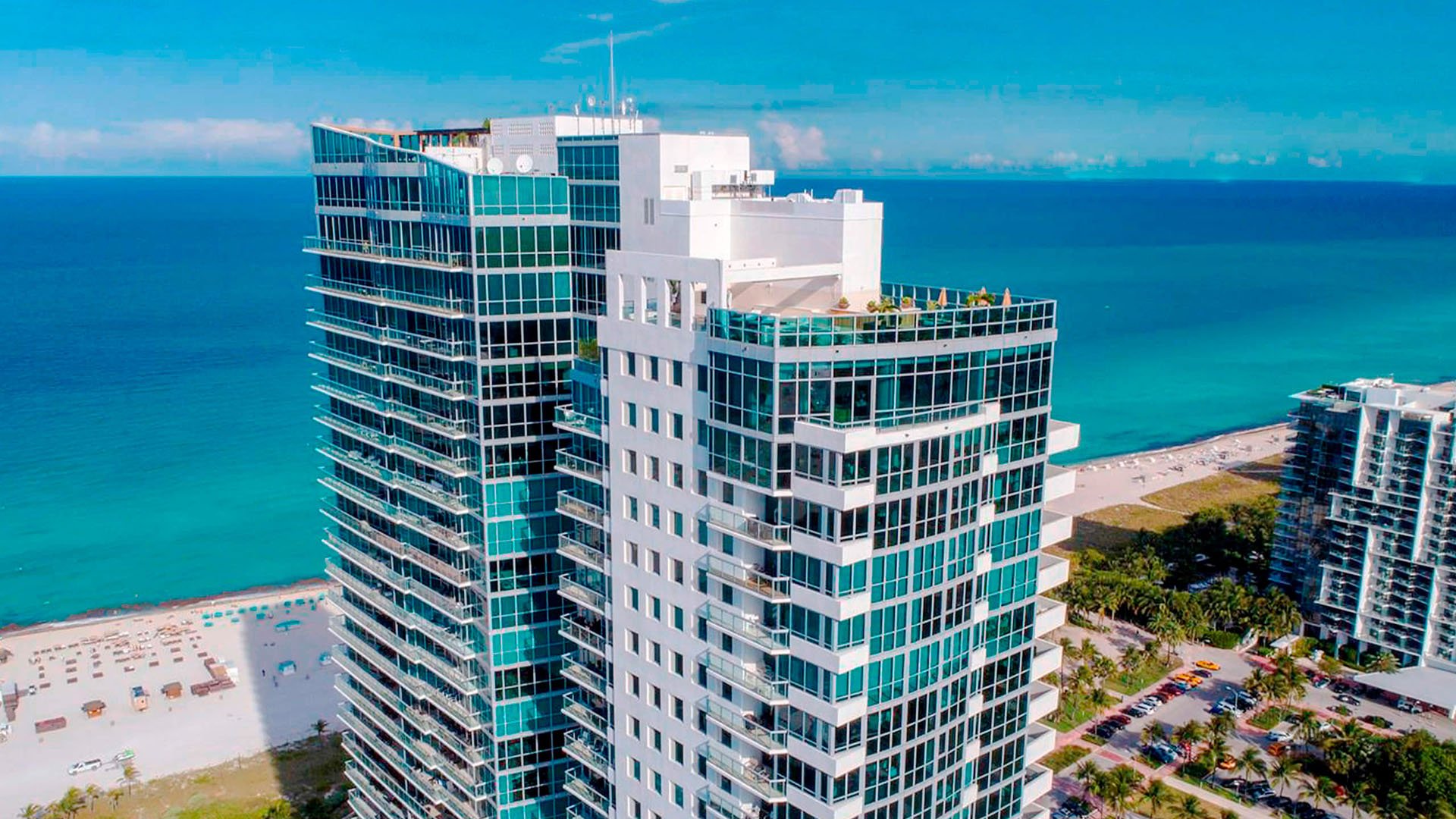
At Setai Residences Miami Beach, the most consequential due-diligence questions extend beyond views, interiors, and service. Buyers should understand how the property funds long-term obligations, allocates insurance costs, approves major work, and governs ownership.
That inquiry matters whether the residence will serve as a primary home, second home, or investment. In a sophisticated Miami Beach purchase, the central issue is not simply the current monthly charge, but whether the documents reveal a financial and governance structure the buyer considers durable, transparent, and compatible with the intended use.
The review should be current through the anticipated closing period. Budgets, policies, minutes, assessments, and rules can change; an elegant historical summary is no substitute for the operative documents.
Begin with the current operating budget, recent financial statements, reserve information, assessment notices, and relevant meeting minutes. Ask management to distinguish recurring expenses from discretionary costs and those associated with planned capital work.
Request a clear explanation of every material variance between budgeted and actual spending. Questions should address unpaid owner balances, pending vendor obligations, major contracts, and capital projects under discussion but not yet approved. If the seller provides only selected pages, request the complete document set and every amendment.
Consider resale pricing alongside these obligations. A residence that appears compelling at its headline price may carry a different effective cost once near-term assessments, recurring charges, and anticipated personal insurance expenses are included.
A reserve figure has limited meaning without context. Ask which components the reserve plan addresses, when they were last evaluated, and how the projected work is expected to be funded. Buyers should also determine whether funds are restricted to particular purposes and whether planned projects rely on future contributions, borrowing, or owner assessments.
The useful question is not whether reserves sound substantial. It is whether the funding approach aligns with the building’s identified needs and the buyer’s tolerance for future capital calls. Request the assumptions underlying any schedule, including timing, scope, contingencies, and the treatment of cost changes.
For perspective, buyers can apply the same document checklist when considering other Miami Beach options. The objective is not to equate properties, but to compare disclosure quality, decision-making structure, and total ownership exposure on consistent terms.
Request summaries and, where appropriate, full copies of the association’s current insurance policies. Determine which property and liabilities are covered, the applicable limits and deductibles, the policy periods, and how responsibility is allocated between the association and individual owners.
The buyer’s insurance adviser should identify potential gaps between the master coverage and the proposed unit policy. Clarify how interiors, improvements, furnishings, temporary relocation, liability, and loss assessments would be treated under the contemplated personal coverage. Do not assume the seller’s arrangement will suit a new owner or lender.
Premium is only one line of inquiry. Ask whether deductibles or exclusions could create a meaningful owner obligation after a covered event-and how the HOA would fund that obligation. Any answer dependent on board discretion should lead directly to a governance review.
Obtain the declaration, bylaws, rules, amendments, management agreements, and summaries of material shared-service arrangements. Determine which decisions require a board vote, an owner vote, or another party’s consent. Review how directors are selected, notices are delivered, and owners may inspect records or raise agenda items.
At a property associated with hospitality, buyers should examine how residential and nonresidential operations are separated across budgets, contracts, access, services, and decision-making. Do not assume a condo-hotel framework applies. Instead, ask counsel to identify the actual legal and operating structure reflected in the documents.
Leasing, guest access, pets, renovations, deliveries, staffing, and amenity use should all be measured against the buyer’s intended lifestyle. Oceanfront appeal does not offset a rule set that conflicts with how the residence will actually be occupied.
Similar questions can sharpen a review of Shore Club Private Collections Miami Beach and The Ritz-Carlton Residences® South Beach. Each opportunity should stand on its own documents, contracts, and ownership controls.
Before the due-diligence period expires, organize the findings into four categories: known recurring costs, approved obligations, discussed but unapproved work, and unresolved questions. This distinction prevents a preliminary proposal from being mistaken for a fixed liability while ensuring that a formally approved obligation is not overlooked.
Counsel, an insurance adviser, and a qualified financial reviewer should examine the materials within their respective disciplines. Any ambiguity affecting price, closing timing, financing, or intended use should be addressed through the contract and written clarification-not informal assurance.
A disciplined buyer is not seeking a building without future expense. The aim is to understand who decides, who pays, what is documented, and how much discretion remains after closing.
Which reserve documents should a buyer request? Request current reserve information, relevant schedules, recent financial statements, budgets, assessment notices, and meeting minutes addressing capital work.
Is the current reserve balance enough to judge financial strength? No. Review the anticipated work, funding assumptions, timing, restrictions, and possible reliance on assessments or other funding.
What should buyers ask about special assessments? Ask about approved assessments, proposals under discussion, payment schedules, seller responsibility, and how obligations transfer at closing.
Which insurance materials matter most? Request current master-policy information, including coverage periods, limits, deductibles, exclusions, and the division of responsibility between the association and owners.
Should a buyer rely on the seller’s unit policy? No. The buyer’s insurance adviser should assess personal coverage based on the residence, intended use, furnishings, improvements, and master policy.
Why review HOA meeting minutes? Minutes may provide context for budgets, contracts, maintenance priorities, rule changes, assessments, and issues still under consideration.
Which HOA controls deserve close attention? Focus on voting, board authority, amendments, leasing, renovations, guests, pets, access, records, enforcement, and shared-service decisions.
How should hospitality-related operations be evaluated? Determine how residential costs, services, access, contracts, and governance are separated from nonresidential operations.
When should unresolved issues affect the offer? Before due diligence expires, translate material uncertainty into pricing, conditions, document requests, or other contract protections with counsel.
Who should review the final document package? Engage appropriate legal, insurance, and financial professionals, each focused on the obligations and risks within their expertise.
When you're ready to tour or underwrite the options, connect with MILLION.
If branded residences are on your mind — as a home or as an allocation — we would be glad to share what we are seeing, privately.
Begin a quiet conversation