For 2026 buyers, the most desirable condominium line is not automatically the highest or most expensive. A disciplined comparison weighs orientation, privacy, usable planning, operational character, carrying costs and long-term flexibility before brand prestige.
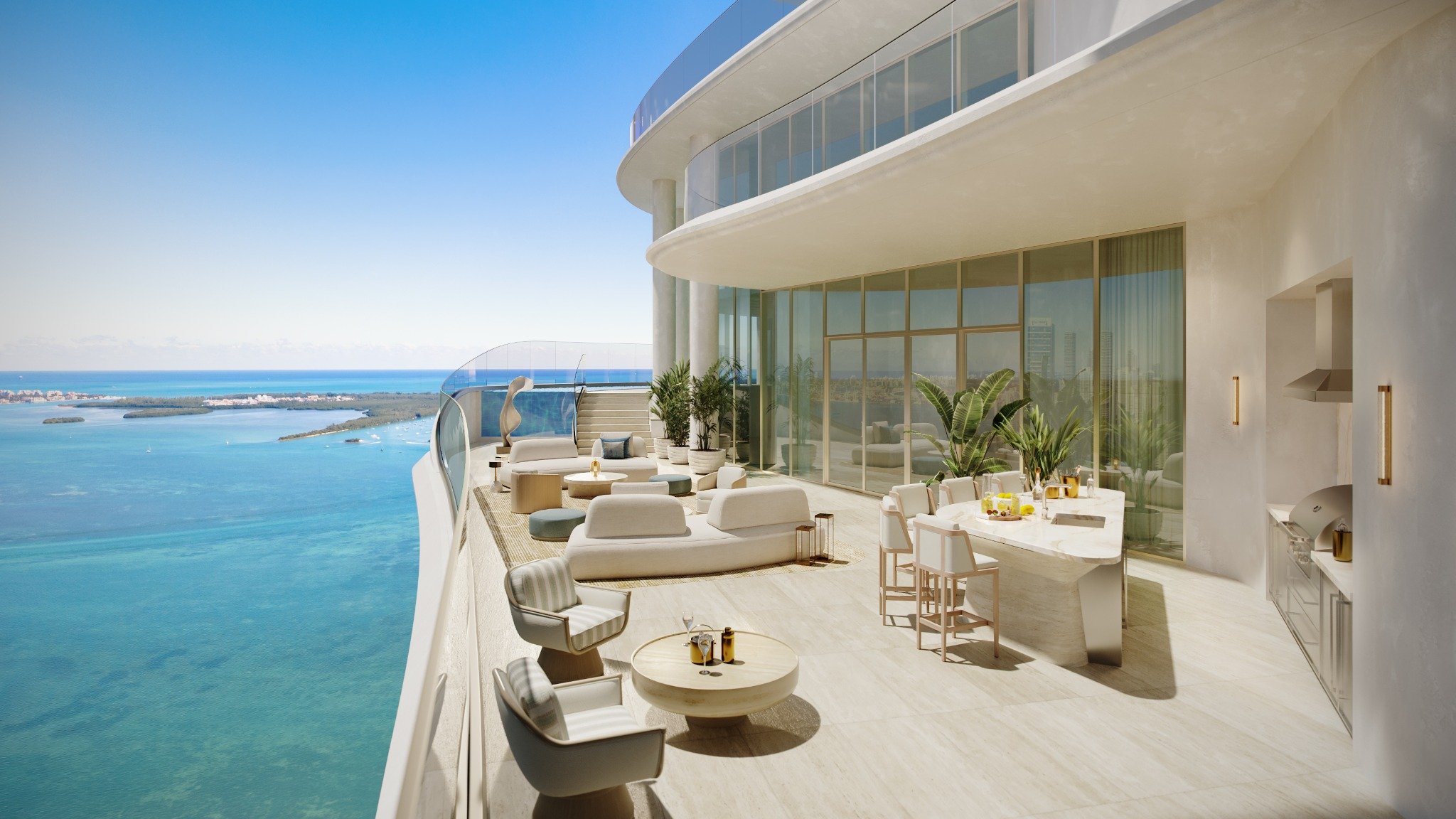
In Brickell, choosing a residence increasingly means selecting not only a building, but a precise position within it. The line shapes the recurring experience: outlook, light, privacy, arrival sequence, room relationships and the practical value of every interior square foot. For a 2026 buyer, those qualities merit greater attention than a dramatic rendering or familiar name.
The comparison between 888 Brickell by Dolce & Gabbana and St. Regis® Residences Brickell is therefore most useful as a study in priorities. Each reflects the broader appeal of branded residences, yet buyers must still determine whether a particular line supports how the home will actually be occupied.
That distinction matters across pre-construction purchases. The premium attached to a preferred line should correspond to durable residential benefits, not simply a more elevated label on the inventory sheet.
A premium line is not universally superior. Its value depends on the buyer’s hierarchy of needs. A primary resident may favor privacy, storage and an intuitive kitchen-to-living relationship. A second-home owner may place greater weight on a memorable outlook, gracious entertaining space and a simple lock-and-leave routine. A collector may prioritize wall area and controlled light over an expanse of glass.
Begin with a concise brief that separates non-negotiables from preferences. Include desired bedroom separation, exposure, terrace utility, service access, guest circulation and tolerance for neighboring sightlines. This brings clarity to an emotional purchase without diminishing its aspirational character.
Price should enter only after the brief is established. The relevant question is not whether one line costs more, but whether its advantages remain meaningful through ordinary mornings, formal evenings and extended absences.
Study floor plans from the entry inward. Consider what becomes visible when the door opens, how guests reach the principal living area and whether private rooms remain discreet. Trace the route from the kitchen to the dining space, from the primary suite to the wardrobe, and from secondary bedrooms to shared areas. Long corridors, difficult corners and oversized transition zones can diminish practical utility even when the stated area appears generous.
Furniture planning is equally revealing. Place a realistically scaled dining table, sofa composition, beds and art before assuming a room works. Door swings, glazing and circulation can leave less usable wall length than expected. The strongest line is often the one that accommodates a complete life with the fewest compromises.
This exercise also creates a neutral basis for comparing alternatives such as Baccarat Residences Brickell. The objective is not to rank brands in the abstract, but to identify the plan that makes its square footage feel calm, legible and adaptable.
A compelling view can justify a preference, but orientation must be considered throughout the day and across seasons. Examine anticipated light, glare, heat, privacy and the relationship between interior rooms and outdoor space. An outlook that photographs beautifully may still require frequent shading, while a less theatrical exposure may provide more consistent comfort.
Terraces deserve the same scrutiny. Depth, shape, access points and visual connection to the principal rooms matter more than nominal outdoor area. Determine whether the terrace can accommodate the intended furniture while preserving circulation. Consider, too, whether multiple rooms genuinely benefit from it or merely open onto constrained edges.
Height should not substitute for analysis. A higher floor may alter perspective and privacy, but a well-positioned lower line can offer a more immediate urban experience. In Brickell, the premium decision is contextual rather than formulaic.
The identities of 888 Brickell by Dolce & Gabbana and St. Regis® Residences Brickell provide a useful lens for considering atmosphere. Yet brand affinity should be tested against the residence itself. Materials, proportions and service expectations matter most when they reinforce daily ease rather than function as decorative signals.
Buyers should consider how the building’s character aligns with their routines. Is the desired experience expressive or restrained? Will the residence serve frequent entertaining, family life or short seasonal stays? Does the line establish an appropriate threshold between shared spaces and the private home?
The same discipline applies when considering a nonfashion-led alternative such as The Residences at 1428 Brickell. Comparison is most productive when the line, operational proposition and aesthetic language remain separate criteria, followed by an assessment of how convincingly they work together.
Before selecting a line, request the current plan set, finish information, contract documents, deposit schedule, estimated recurring charges and any disclosed parameters affecting use. Confirm dimensions rather than relying on visual scale. Clarify what is included, what may vary and which representations are contractual.
Review potential carrying costs against the services actually valued. Consider insurance, taxes, maintenance, financing assumptions and the cost of furnishing or customization. If flexibility matters, examine applicable ownership, occupancy and leasing provisions with qualified advisers. Legal and tax consequences can differ by buyer and ownership structure.
Buyer’s guides can serve as a starting point, but project-specific verification is essential. A premium decision should withstand close review by counsel, financial advisers and design professionals before funds are committed.
Reduce the final choice to five scores: plan efficiency, orientation, privacy, lifestyle fit and total ownership profile. Weight each category according to intended use, then compare no more than a few lines at once. This prevents superficial distinctions from overwhelming the decision.
Visit the setting at different times if possible, and study the broader urban context as carefully as the interiors. Finally, preserve an alternative. The confidence to walk away from a line that does not satisfy the brief is among the buyer’s strongest negotiating and decision-making tools.
For 2026 buyers, true premium selection is less about securing the most conspicuous option than choosing the residence whose qualities remain coherent after the initial emotion has passed.
What is a premium condominium line? It is a vertical stack or residence type valued for a particular combination of plan, orientation, privacy, outlook and positioning.
Is the highest floor always the best choice? No. Height can influence perspective and privacy, but layout, exposure and daily comfort may matter more.
How should buyers compare the two featured projects? Compare specific residences against the same written brief rather than evaluating brand identities alone.
Which floor-plan issue is easiest to overlook? Usable wall length is often overlooked because doors, glazing and circulation can limit furniture and art placement.
Should view determine the selection? View is important, but it should be considered alongside light, glare, privacy, terrace utility and interior planning.
Why does terrace depth matter? A deeper, well-shaped terrace may accommodate furniture and circulation more effectively than a larger but awkward space.
How can a buyer test plan efficiency? Place realistically scaled furniture and trace daily routes between the entry, kitchen, living spaces and bedrooms.
What documents deserve review before a reservation? Buyers should review current plans, finish information, contracts, deposit terms, estimated charges and disclosed use parameters.
Do branded residences automatically command the best line value? No. Brand character can add meaning, but long-term satisfaction still depends on the individual residence and ownership profile.
Who should advise on the final purchase? Qualified legal, tax, financial and design professionals can evaluate obligations and suitability for the buyer’s circumstances.
For a confidential assessment and a building-by-building shortlist, connect with MILLION.
If branded residences are on your mind — as a home or as an allocation — we would be glad to share what we are seeing, privately.
Begin a quiet conversation