A buyer-oriented guide to West Palm Beach walkability, from Clematis Street and CityPlace to Flagler Drive and cultural destinations, with an emphasis on evaluating each residential address against daily routines.
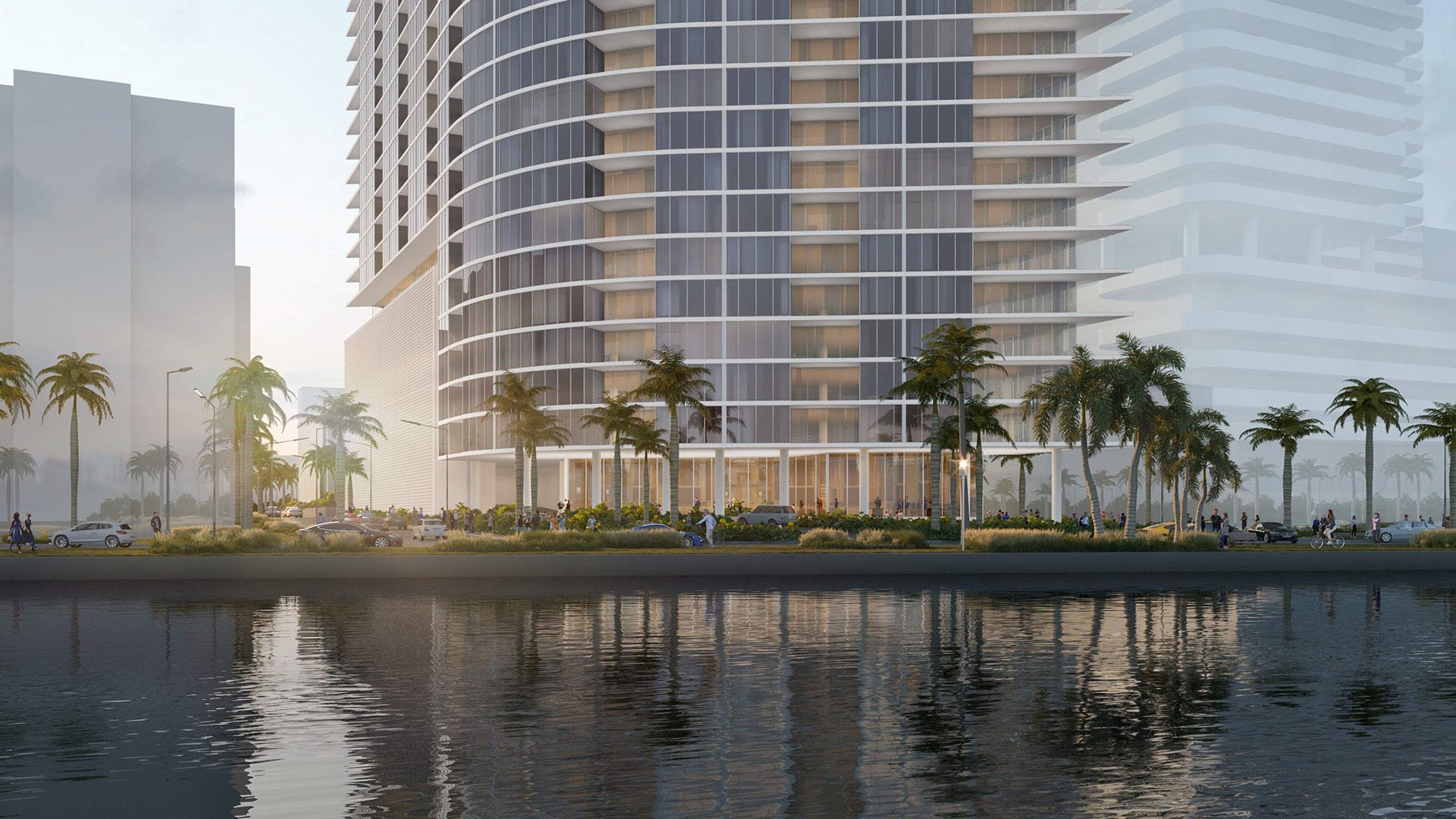
In West Palm Beach, walkability offers the freedom to leave home without planning the evening around a car. Dinner, a waterfront stroll, or a cultural outing can become part of daily life rather than a separate excursion. For a luxury buyer, the question is not whether downtown is walkable. It is whether a particular residence connects comfortably with the places that matter most.
Downtown supports a “park once and walk” approach, connecting dining, shopping, waterfront attractions, nightlife, hotels, and cultural venues within one district. Many destinations fall within a general 10- to 20-minute walk of one another. That range is a useful introduction to the area, not a guaranteed journey time from every building or entrance.
The best address makes your preferred routine feel effortless. A buyer who values dinner on Clematis Street may reach a different conclusion from someone who prioritizes the Intracoastal waterfront or regular performances at the Kravis Center.
Clematis Street is downtown’s historic commercial spine, running west from Flagler Drive at the Intracoastal Waterway. Its mix includes restaurants, boutiques, galleries, nightclubs, live music, antique shops, and historic landmarks. For buyers who want several kinds of activity within one outing, this corridor merits a closer look on foot.
The eastern end provides a useful point of orientation: the dining and entertainment corridor connects directly with Flagler Drive and the waterfront. Rather than assessing restaurants and water access as separate amenities, consider how naturally they fit into one evening.
When considering Mr. C Residences West Palm Beach, apply that same destination-first approach. Identify the restaurants, waterfront access points, and other stops you expect to use, then assess each route from the residential entrance. A downtown label should begin the conversation, not settle it.
Visit at the hours you would normally go out. Assess crossings, the return journey, and your comfort with nearby activity rather than relying on a map alone.
CityPlace, around Rosemary Avenue and Okeechobee Boulevard, offers another concentration of dining, shopping, and entertainment south of Clematis Street. The distinction matters: proximity to one downtown destination does not guarantee equal convenience to the other.
For a buyer anticipating frequent shopping and dinners around CityPlace, the relevant walking route may differ from one favored by a waterfront-oriented buyer. Consider which destination would anchor an ordinary weekday, not just an occasional weekend visit.
Map three separate outings: dinner on Clematis Street, time at CityPlace, and a walk along the waterfront. Resist combining them into a broad notion of “close to everything.” The differences between those routes can clarify which address best suits your habits.
Flagler Drive follows the Intracoastal Waterway, offering a setting distinct from downtown’s inland shopping and entertainment streets. For buyers drawn to the water, that relationship can be central to a residence’s appeal. It still warrants an assessment separate from access to dining, transit, or cultural venues.
When evaluating Forté on Flagler West Palm Beach, distinguish the pleasure of a waterfront-oriented routine from the practical route to a preferred downtown destination. These considerations are related, but not interchangeable.
Apply the same discipline when reviewing Shorecrest Flagler Drive West Palm Beach. Do not assume that all Flagler Drive residences offer equivalent walking access or a uniformly quiet setting. Proximity to downtown activity varies by block, and the right balance is personal.
Walk the actual approach to the water and the route home. Consider whether you want a daily waterfront outing, immediate access to dining, or a deliberate balance between the two.
West Palm Beach’s cultural destinations call for an address-specific approach. The Norton Museum of Art, on South Olive Avenue near downtown, provides one point of reference. The Kravis Center for the Performing Arts offers Broadway productions, ballet, opera, concerts, and other programming. Ann Norton Sculpture Gardens combines sculpture, gardens, and a historic residential setting.
These are distinct destinations, not a single cultural precinct equally accessible from every residence. A buyer planning frequent museum visits should test a different routine from someone focused on evening performances.
If your shortlist includes Alba West Palm Beach, compare each cultural journey separately rather than assigning the property a general cultural-convenience score. Decide which outings you genuinely want to make on foot and which you would comfortably make by car or another mode.
The Henry Morrison Flagler Museum adds another cultural option on Palm Beach. Keep that geography distinct: it is not part of the same downtown walking cluster as Clematis Street and CityPlace.
Brightline’s West Palm Beach station and the Palm Tran Intermodal Transit Center are part of downtown’s pedestrian-connected network. For buyers who expect to use either, station access deserves its own test rather than being folded into a general impression of downtown convenience.
Walk the route as you would use it, carrying any belongings you would normally bring. The question is whether the journey feels practical for your routine, not simply whether the destination appears nearby.
Conditions also change. Road closures and utility work can affect Flagler Drive, so check current conditions before evaluating a route. A temporary disruption should not be mistaken for a permanent characteristic, but an idealized map should not replace an on-site assessment either.
Before choosing, test each shortlisted address against the same priorities: your preferred dining corridor, waterfront access, cultural destination, and any transit connection you expect to use. Repeat the most important walk at a time that reflects your actual schedule.
This turns walkability from an attractive description into a useful buying criterion. The strongest fit is not necessarily the residence nearest the greatest number of destinations. It is the one that brings your own version of West Palm Beach within comfortable reach.
Explore residences aligned with your preferred West Palm Beach lifestyle with MILLION.
If branded residences are on your mind — as a home or as an allocation — we would be glad to share what we are seeing, privately.
Begin a quiet conversationDowntown supports a park-once-and-walk approach, with dining, shopping, waterfront attractions, nightlife, and cultural venues within the district. Convenience still depends on the particular residence and destination.
No. It is general guidance for travel between many downtown destinations, not a guaranteed walking time from every residential address.
The eastern end of Clematis Street connects with Flagler Drive at the Intracoastal Waterway, linking its dining and entertainment corridor to the waterfront.
The corridor includes boutiques, galleries, nightclubs, live music, antique shops, and historic landmarks.
CityPlace is south of Clematis Street, around Rosemary Avenue and Okeechobee Boulevard. It offers another concentration of dining, shopping, and entertainment.
No. Proximity to downtown activity varies by block, so buyers should assess waterfront access and routes to their preferred destinations separately.
The Norton Museum of Art, Kravis Center for the Performing Arts, and Ann Norton Sculpture Gardens offer distinct cultural experiences. Each requires its own address-specific route assessment.
No. The Henry Morrison Flagler Museum is on Palm Beach and should not be treated as part of the same downtown walking cluster as Clematis Street and CityPlace.
Brightline’s West Palm Beach station and the Palm Tran Intermodal Transit Center are included in downtown’s pedestrian-connected network. Buyers should test access from the specific residence they are considering.
Walk from the residential entrance to the destinations you expect to use, ideally at your usual outing times. Assess crossings, the return journey, nearby activity, and current route conditions.