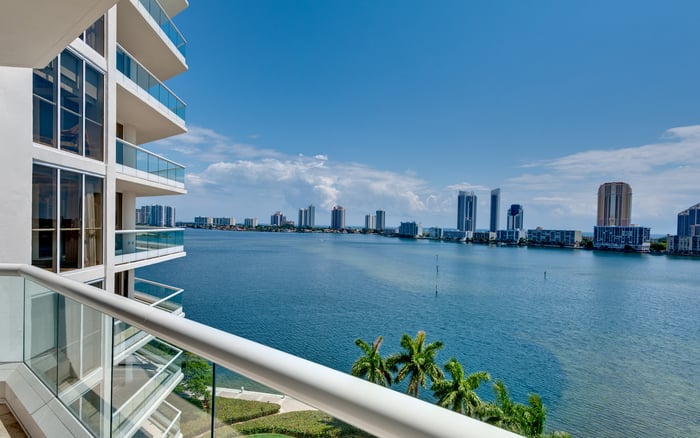
A buyer-focused framework for evaluating wellness at W Pompano Beach Hotel & Residences through access, usability, operating terms, and broader lifestyle value.
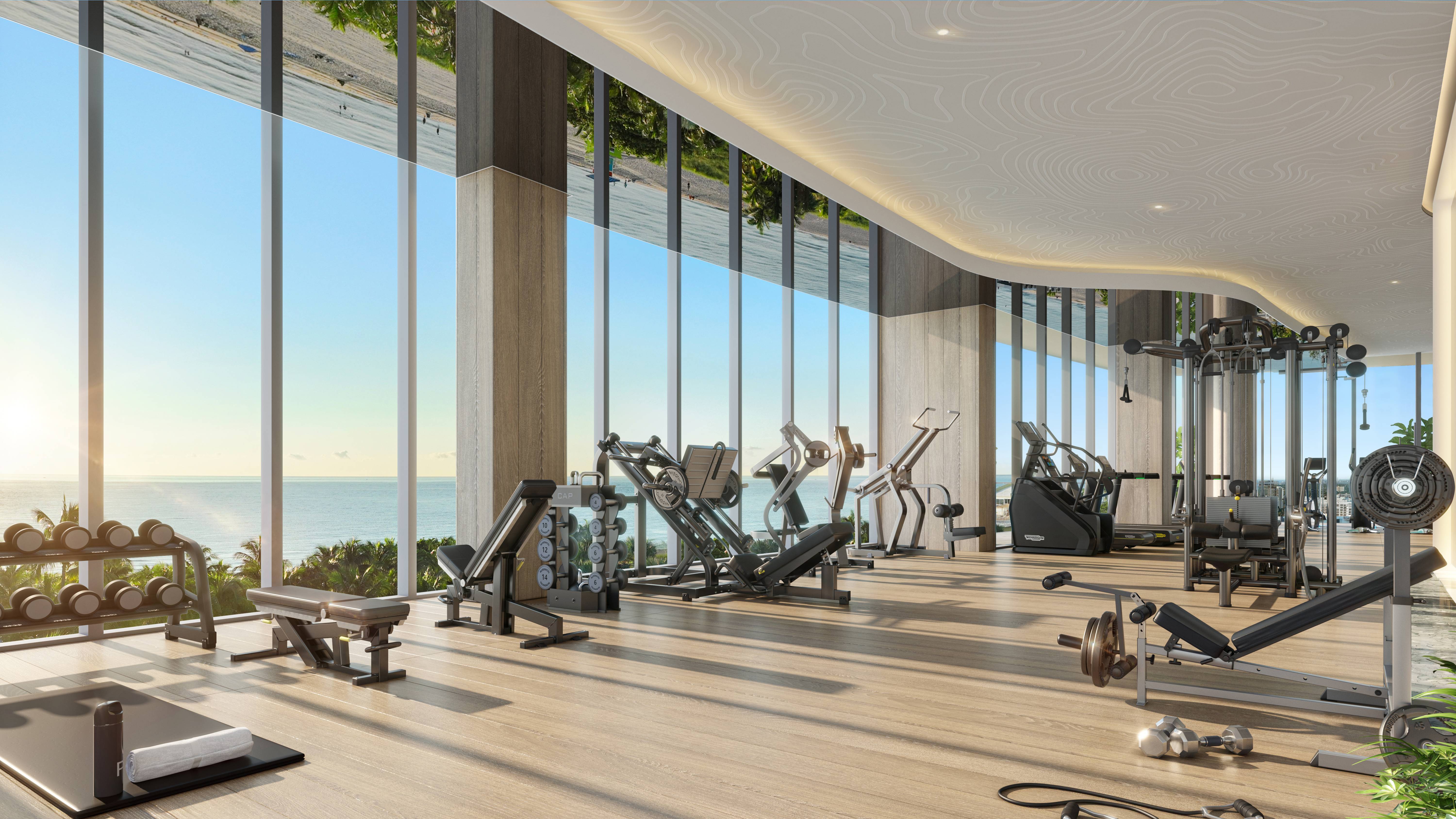
At W Pompano Beach Hotel & Residences, buyers evaluating wellness should focus on practical utility rather than promotional language alone. The central question is whether the disclosed offering can support an owner’s preferred routine under the access rules, schedules, fees, and operating terms that apply.
Brand identity and presentation may carry personal lifestyle appeal, but they should not replace operational clarity. Durable value depends on whether the experience is convenient, available, and relevant to how an owner expects to use the residence.
A useful feature should reduce friction in daily or seasonal life. Buyers can estimate how often they would realistically use each disclosed space or service, whether access matches their preferred hours, and whether reservations or capacity limits could affect the experience.
The ownership structure also deserves careful review. Confirm which areas are designated for residents, whether any spaces are shared, and how guest policies, scheduling requirements, or service availability may influence use. The presence of a facility or program does not by itself establish unrestricted access.
Lifestyle language can be tested through concrete questions: Who operates the service? Is access included in recurring charges or billed separately? Are appointments required? May owners bring guests? Do residents receive priority? Is programming recurring or occasional?
Answers to those questions help define convenience and cost. Buyers should distinguish residential rights from any hospitality-related privileges and rely on current written disclosures and governing documents when determining what ownership includes.
Wellness should be considered alongside other possible value drivers, including branding, services, residence design, location preferences, and the overall ownership model. Assigning the full appeal of a project to a single amenity category can obscure what a buyer is actually valuing.
Lifestyle benefits may be functional, emotional, or both. Convenience, identity, atmosphere, and service can matter to an individual purchaser, but promotional descriptions do not establish health outcomes, rental performance, resale results, or appreciation.
Buyers may use The Ritz-Carlton Residences® Pompano Beach, Armani Casa Residences Pompano Beach, and Waldorf Astoria Residences Pompano Beach as additional projects to investigate when assembling a local comparison set. Each should be reviewed through current project materials rather than assumed to offer equivalent features or terms.
A useful comparison aligns the same categories across projects: ownership structure, resident access, service model, recurring costs, residence design, and the features a buyer expects to use. Primary residents, seasonal owners, and investors may assign different weight to the same offering.
Before assigning value to wellness, ask four questions: Is the offering clearly described? Are resident access and restrictions defined? Does it fit a realistic routine? Are costs and operating conditions understood? Clear answers indicate practical utility, while incomplete answers identify areas for further diligence.
This approach does not dismiss lifestyle appeal. It separates atmosphere from usable value so buyers can decide what the proposition is worth to them.
How should buyers evaluate wellness language? Translate each broad promise into questions about access, frequency, scheduling, cost, and operation.
Why does repeat use matter? A feature that fits a regular routine may offer more personal utility than one used only occasionally.
Should access be assumed from promotional materials? No. Confirm resident rights, restrictions, reservations, and guest policies in current written materials.
Why are operating hours important? Hours can determine whether a disclosed facility or service is compatible with an owner’s preferred routine.
How should buyers assess separate fees? Determine what recurring charges include and which services, appointments, or programs may require additional payment.
Does wellness language establish health benefits? No. Promotional descriptions alone do not demonstrate individual or long-term health outcomes.
Can wellness features predict resale or rental results? No. Their presence does not establish future resale, rental, or appreciation performance.
What should a South Florida comparison include? Compare ownership terms, access, service models, recurring costs, residence design, and likely personal use on equivalent criteria.
Which documents deserve review? Review available governing documents, written disclosures, budgets, fee schedules, and rules that define access and obligations.
Who may value a wellness proposition most? Buyers whose routines and preferences align with the disclosed offering may assign it greater personal value.
To compare the best-fit options with clarity, connect with MILLION.
If branded residences are on your mind — as a home or as an allocation — we would be glad to share what we are seeing, privately.
Begin a quiet conversation