A document-led framework for evaluating master insurance, coastal exposure, deductible funding, unit coverage, and building standards before buying at Apogee South Beach.
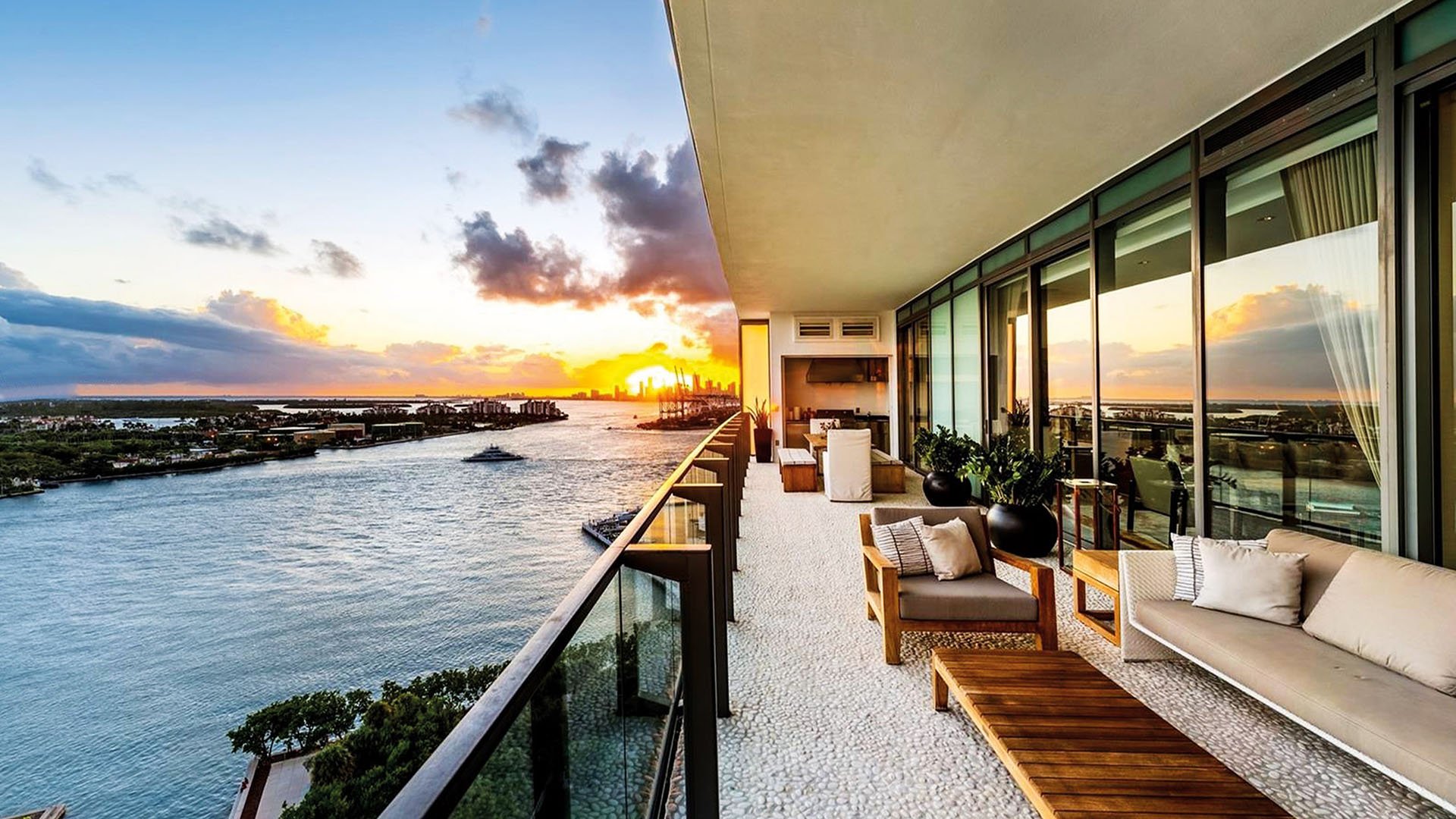
At 800 South Pointe Drive, Apogee South Beach occupies a waterfront setting in Miami Beach’s South of Fifth neighborhood. That setting is integral to its appeal, but it also places wind, flood, storm surge, and salt-air exposure at the center of a buyer’s review.
The essential question is not simply whether the condominium is insured. A purchaser should determine what is insured, under which valuation method, subject to which exclusions and deductibles, and how costs could ultimately reach unit owners. Public property pages can confirm the building’s address and identity, but not its current policies, endorsements, loss history, reserve position, or deductible-allocation rules.
For resale and second-home purchasers alike, the most effective approach is document-led. Buyer’s guides may frame the discussion, but current association records, professional advice, and unit-specific underwriting should govern the decision.
Request the association’s complete master policy, including declarations, forms, schedules, exclusions, and endorsements. A premium figure or abbreviated coverage summary cannot reveal the full risk structure.
The review should identify property limits, valuation basis, wind and hail provisions, and every deductible. Replacement-cost values warrant particular attention: the insured amount should be evaluated against current reconstruction costs. Buyers should also confirm ordinance-or-law coverage, which can affect the cost of rebuilding damaged components to current code.
Equipment-breakdown and general-liability coverage belong in the same review. Available loss runs and claims history can reveal recurring damage patterns and indicate whether future premiums or deductibles may face pressure. None of these points should be inferred from the building’s positioning, amenities, or sales presentation.
A percentage-based wind deductible must be converted into dollars. Buyers should establish the value to which the percentage applies, calculate the resulting exposure, and determine how the governing documents permit that obligation to be allocated.
Flood and wind are related coastal concerns, but they are not interchangeable insurance events. Flood damage is generally excluded from standard homeowners coverage, and hurricane-driven storm surge is treated as flood. The association’s flood policy should therefore be reviewed separately from its property and wind protection.
Windstorm coverage should not be presumed either. It may be excluded for especially exposed properties, so the policy language must confirm whether coverage applies and on what terms. Proximity to water, wind exposure, construction type, roof age, reconstruction cost, claims history, and carrier availability can all influence Florida insurance pricing.
This distinction matters throughout Miami Beach. Nearby luxury properties such as Continuum on South Beach and Five Park Miami Beach may invite comparisons based on location or lifestyle, but insurance conclusions cannot be transferred from one condominium to another. Each association has its own policies, deductibles, records, and funding position.
The master policy and proposed HO-6 policy should be read together. The objective is to identify gaps involving unit interiors, personal property, owner-installed improvements, and assessments. A specialist should map the association’s insured responsibilities against the unit owner’s obligations under the declaration and policy language.
That exercise should resolve practical questions. If water enters the residence, which damaged components are the association’s responsibility and which are the owner’s? Are custom finishes and improvements adequately valued? Does the HO-6 proposal address potential loss assessments, and do its limits align with the condominium documents?
The answers may vary by cause of loss and policy language. Assumptions such as “walls-in” or “all-in” are therefore inadequate substitutes for a clause-by-clause review by a Florida condominium attorney and insurance adviser.
Insurance analysis should be paired with engineering diligence. A wind-design review should identify the applicable exposure category and the code assumptions used for the building. Florida Building Code wind guidance references exposure categories under Section 1609.4, but a map or standard prepared for another county should not be treated as site-specific evidence for a Miami-Dade property.
Request current engineering, inspection, and maintenance records directly from the association. A qualified building inspector should assess façade condition, glazing, evidence of water intrusion, drainage, and code compliance. In a salt-air environment, maintenance history and observed condition provide important context alongside the original design criteria.
The objective is not to draw conclusions from age, appearance, or location alone. It is to understand the documented design assumptions, current physical condition, completed maintenance, identified work, and financial plan supporting future obligations.
Coverage limits tell only part of the story. Buyers should determine how the association could fund a major deductible through operating cash, reserves, assessments, or borrowing. The governing documents should also be reviewed to establish whether, when, and how a deductible or uninsured loss may be charged to owners.
Request current reserve information and evaluate it alongside the insurance package, claims history, inspections, and anticipated work. A large policy limit may offer limited comfort when the deductible is substantial and the funding mechanism remains unclear.
Waterfront ownership at Apogee South Beach is best assessed through an integrated lens: policy language, physical resilience, governance, and liquidity. The same discipline applies to any oceanfront condominium, including The Ritz-Carlton Residences® South Beach. The quality of the view does not lessen the need to quantify the obligations behind it.
Begin with the complete master property, wind, flood, liability, and equipment-breakdown policies. Add all endorsements, deductible schedules, loss runs, claims history, reserve materials, inspection records, engineering documents, budgets, and governing documents.
Next, have an insurance adviser quantify the deductibles and compare the master package with an HO-6 proposal. Ask a Florida condominium attorney to interpret owner responsibility, assessment authority, and deductible allocation. Finally, engage a qualified building inspector to evaluate the façade, glazing, drainage, water intrusion, and relevant code issues.
This sequence turns a broad waterfront concern into specific decisions: what is covered, what is excluded, what the owner must insure, what the association could fund, and which physical conditions warrant closer examination.
Is Apogee South Beach a waterfront condominium? Yes. It is located at 800 South Pointe Drive in Miami Beach’s South of Fifth neighborhood.
Is the association’s insurance summary sufficient? No. Buyers should obtain the complete policy, including exclusions, schedules, forms, and endorsements.
Should a buyer assume windstorm coverage is included? No. The policy must be reviewed because windstorm coverage may be excluded for especially exposed properties.
Is storm surge covered as wind damage? Hurricane-driven storm surge is classified as flood, which is generally excluded from standard homeowners coverage.
Why convert a percentage wind deductible into dollars? The calculation reveals the association’s potential cash obligation and helps clarify possible owner exposure.
What should be compared with an HO-6 policy? Compare responsibilities for interiors, personal property, improvements, deductibles, and potential assessments.
Which building conditions warrant inspection? Qualified professionals should review façade condition, glazing, drainage, water intrusion, and code compliance.
What does ordinance-or-law coverage address? It can affect the cost of rebuilding damaged components to meet current code requirements.
Why review loss runs and claims history? They may reveal recurring damage and potential pressure on future premiums or deductibles.
How should buyers assess deductible funding? Determine whether operating cash, reserves, assessments, or borrowing could cover a major deductible.
For a discreet conversation and a curated building-by-building shortlist, connect with MILLION.
If branded residences are on your mind — as a home or as an allocation — we would be glad to share what we are seeing, privately.
Begin a quiet conversation