A disciplined buyer’s walkthrough should test the residence, building systems, waterfront infrastructure, service culture, and long-term ownership proposition before documents and professional inspections complete the picture.
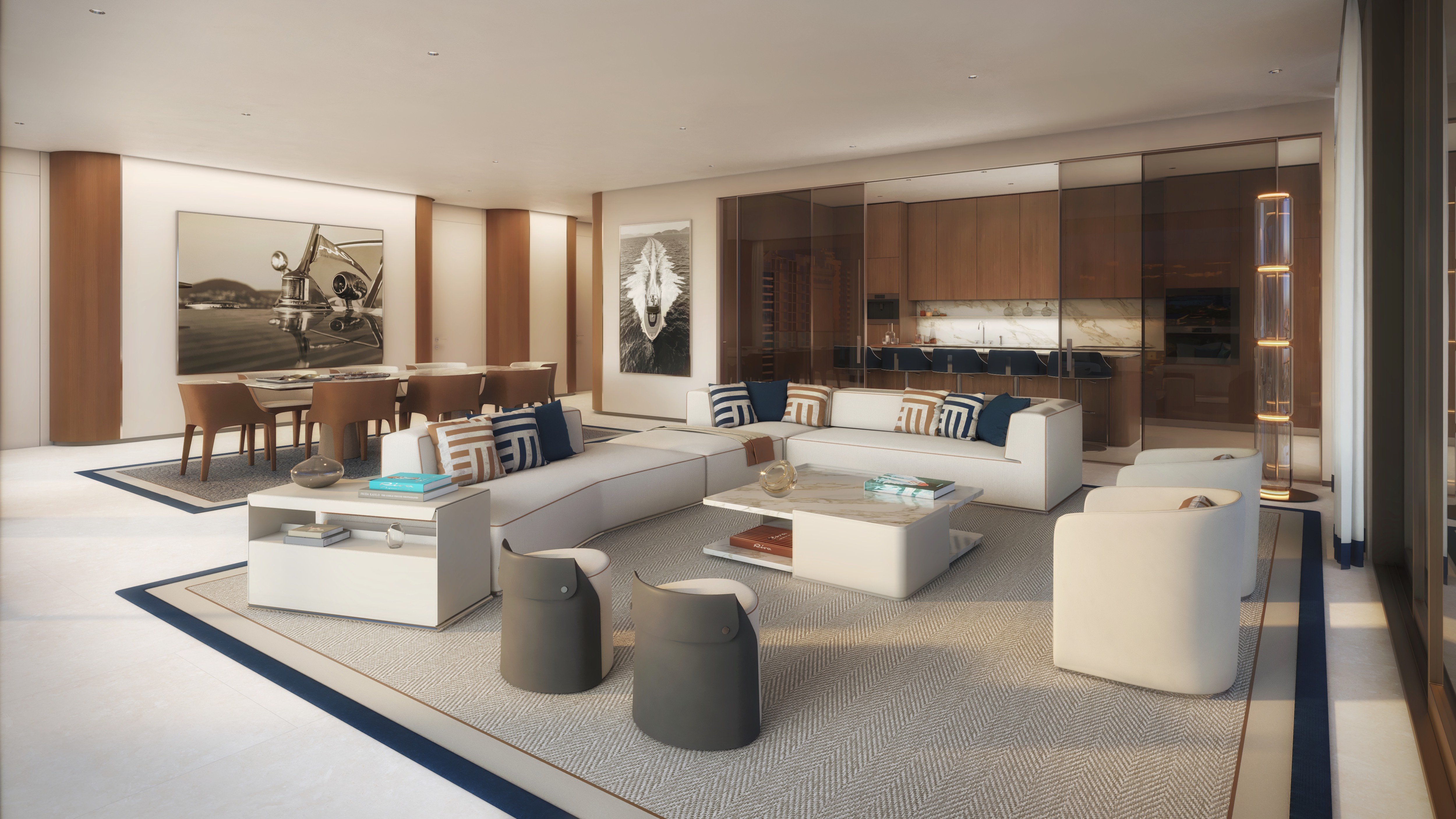
At Riva Residenze Fort Lauderdale, the most revealing walkthrough begins once the initial visual impression has settled. Finishes, fixtures, and water views matter, but they do not establish how a waterfront condominium will perform through humid summers, wind-driven rain, daily marine exposure, and years of intensive operation.
Approach the property as both a residence and a coastal infrastructure asset. The objective is not to presume defects, but to identify conditions that merit explanation, documentation, or review by a qualified inspector. For a buyer contemplating a long-term holding period, durability, operating reliability, and capital preservation deserve equal standing with design.
This perspective belongs in any sophisticated buyer's guide, particularly when evaluating a resale residence. It is equally useful when comparing Fort Lauderdale options such as Auberge Beach Residences & Spa Fort Lauderdale. Every property should be judged on its own physical condition, governance, and operating record.
Begin with the glazing, exterior doors, frames, seals, locks, and thresholds. Open and close every operable panel. Note resistance, rattling, drafts, loose hardware, uneven movement, or deteriorating seals. If conditions permit, test balcony doors while wind is present. Pressure that makes a door difficult to operate, movement within the frame, or a vulnerable-looking threshold should invite closer examination-not an immediate conclusion.
Examine window and door corners slowly for staining, bubbling paint, cracked sealant, corrosion, condensation, or patchwork. Extend the same scrutiny to corridors and amenity spaces. Damp odors can be particularly revealing, signaling a moisture condition that may not be visually apparent during a polished showing.
Accessible concrete and structural surfaces merit similar attention. Cracks vary widely in significance, so buyers should not diagnose them casually. Record their locations, along with any spalling, rust staining, repeated patches, or areas that appear to have undergone recurring repair. Then direct those observations to the appropriate professional.
A luxury walkthrough should be active. Run the heating and cooling long enough to assess response, airflow, noise, and consistency across rooms. Check ventilation where accessible. Operate plumbing fixtures, observe drainage, and inspect beneath sinks for staining or moisture. Test switches, appropriate outlets, lighting controls, and installed equipment rather than assuming presentation-day readiness equates to dependable performance.
Sound also demands deliberate testing. Pause conversation and listen from bedrooms, living areas, entry halls, and terraces. Noise from neighboring residences, corridors, elevators, mechanical equipment, traffic, boats, and outdoor amenities can alter the character of a home. If acoustic privacy is a priority, return at another hour.
A buyer comparing service-led properties, including Four Seasons Hotel & Private Residences Fort Lauderdale, should keep the assessment property-specific. Branding, design, and hospitality expectations never replace direct testing of the individual residence and its daily environment.
Inspection begins before the lobby. Drive the parking circulation as an owner would. Confirm that an assigned space is practical for the expected vehicles, then examine access controls, lighting, drainage, garage condition, turning movements, and the route from the space to the residence. Lower-level exposure and visible drainage paths should form part of the flood-resilience discussion.
Ride the elevators several times and, if possible, during different periods. Observe wait times, ride quality, vibration, noise, capacity, service access, and any signs of interrupted operation or deferred maintenance. A single quiet ride during a private appointment is not a complete test of vertical circulation.
Service culture is another form of infrastructure. Observe security practices, staff responsiveness, package handling, valet coordination, cleanliness, and the condition of back-of-house transitions visible during ordinary use. Consistency matters more than ceremony. The same disciplined lens can inform comparisons with St. Regis® Residences Bahia Mar Fort Lauderdale without assuming that one operating model predicts another.
The waterfront setting should be evaluated as a working environment, not a static backdrop. Walk accessible exterior routes and assess maintenance quality, surface condition, lighting, railings, access points, and ease of movement. At the marina, consider safety, tidal effects, management practices, and how comfortably the waterside component integrates with daily ownership.
Flood resilience requires close attention to vulnerable lower levels, garage exposure, drainage routes, and the placement of essential equipment where observable. Ask how the building prepares for and responds to severe weather, then verify those answers through records and professional review. Personal observation can reveal clues; technical conclusions require qualified expertise.
Bring the marketed plans, specifications, and relevant purchase materials to the walkthrough. Compare them with the completed residence to identify substitutions, incomplete work, apparent value engineering, or deviations that warrant clarification. Photograph and catalogue questions by room and common area, distinguishing cosmetic punch-list items from potential building-system concerns.
Pair the physical visit with a review of association governance, reserves, structural inspections, insurance, maintenance programs, and anticipated capital projects. Legal counsel and qualified structural, mechanical, flood, insurance, and condominium professionals should address matters beyond a buyer's expertise.
The strongest decision combines documents with sensory evidence. A damp smell, elevator vibration, moving door, intrusive sound, or uneven service may not be captured neatly in a file. Conversely, an observation is not proof of a systemic problem; it is a prompt for disciplined follow-up.
Should the walkthrough focus first on the residence or common areas? Begin with the building envelope and arrival sequence, then test the residence and revisit common areas with specific questions.
Does staining prove that water intrusion is active? No. Record its location and appearance, then ask a qualified inspector to determine its cause and status.
Why test exterior doors when wind is present? Real conditions can reveal pressure, rattling, drafts, difficult operation, or threshold concerns that a still day may conceal.
What should be tested in the mechanical systems? Assess cooling response, airflow, ventilation, plumbing drainage, electrical operation, equipment noise, and consistency among rooms.
How can a buyer evaluate acoustic privacy? Listen quietly from several rooms and, when possible, return at different times to sample changing activity.
What matters most in the garage? Review space usability, circulation, access controls, drainage, lighting, general condition, and the complete route upstairs.
How many elevator rides are useful? Several rides during different periods offer a better impression of wait times, capacity, noise, vibration, and service reliability.
What should be observed along the waterfront? Consider maintenance, access, safety, tidal effects, management, and the practical ease of daily use.
Can a walkthrough replace document review? No. Pair physical observations with governance, reserve, inspection, insurance, maintenance, and capital-project records.
When should specialists become involved? Engage qualified inspectors and legal counsel whenever structural, mechanical, flood, insurance, reserve, or condominium-document questions arise.
If you'd like a private walkthrough and a curated shortlist, connect with MILLION.
If branded residences are on your mind — as a home or as an allocation — we would be glad to share what we are seeing, privately.
Begin a quiet conversation