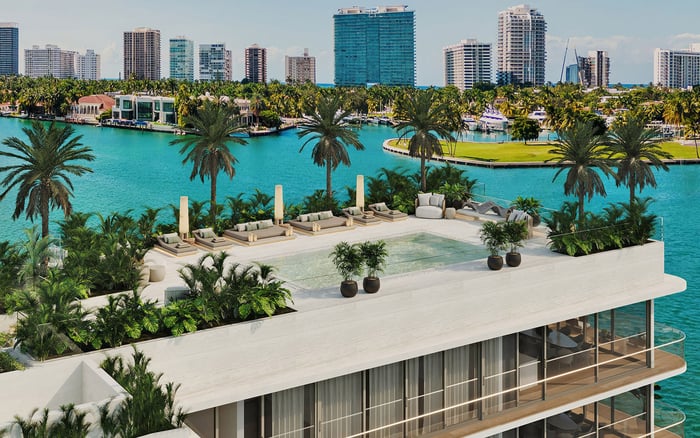
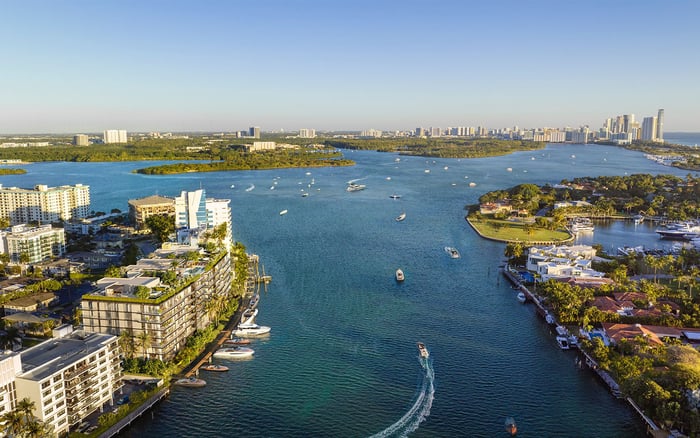
A disciplined walkthrough at Alana Bay Harbor Islands should look past visual polish to structural integrity, mechanical systems, life safety, operations, resilience, and evidence of long-term performance.
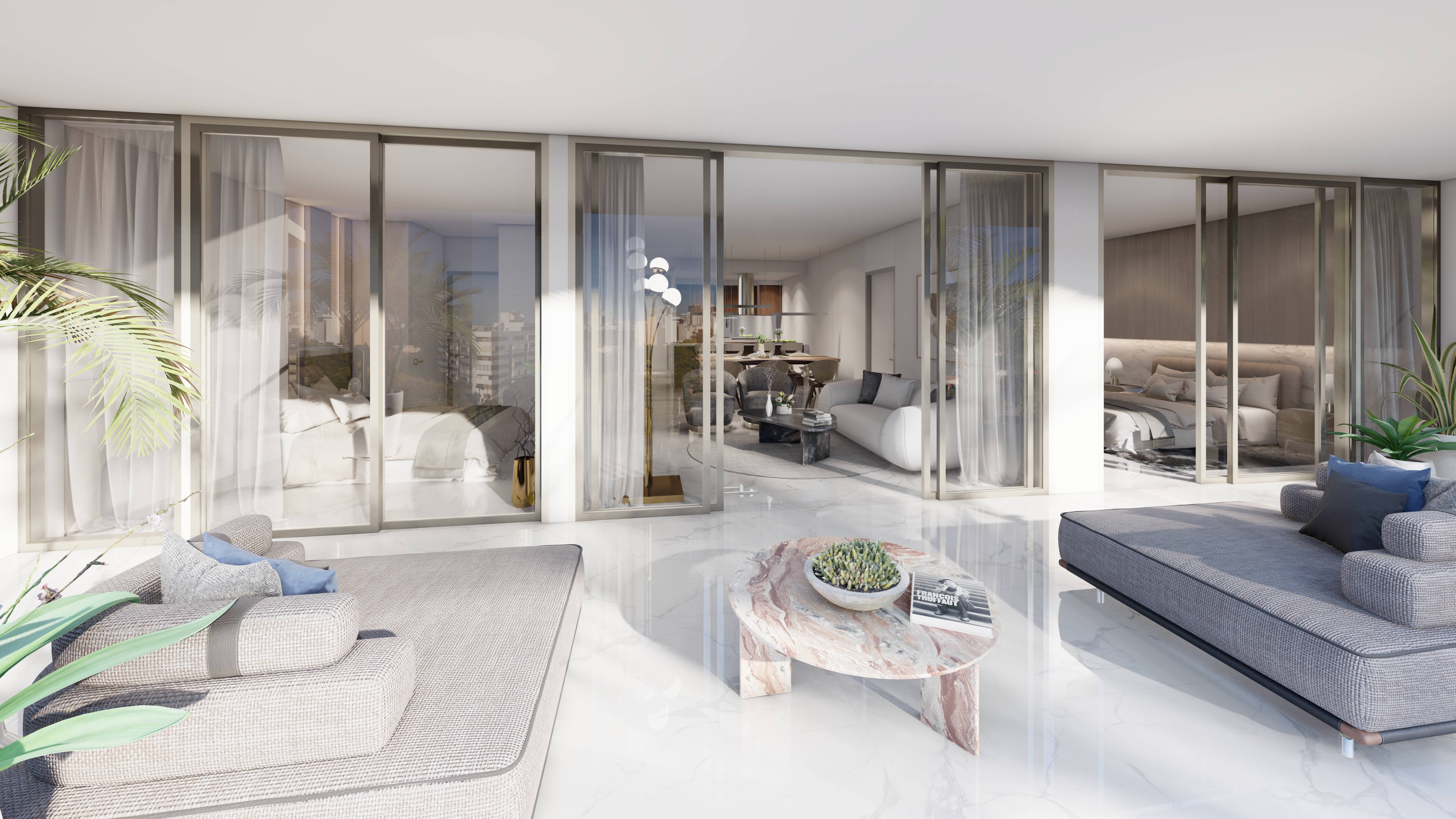
At Alana Bay Harbor Islands, finishes, fixtures, and views may define the first impression, but they should not determine the final judgment. A rigorous walkthrough considers what supports the residence beyond its visible design: structural integrity, mechanical performance, life-safety systems, building operations, environmental resilience, and long-term value.
This is more than a design and architecture exercise. It is an opportunity for buyers to distinguish visual appeal from durable performance. Assess the property in layers, moving from the residence to common areas, service zones, building systems, and the operating framework connecting them. Within practical buyer guidance, this distinction is essential: elegance is immediately apparent; reliability requires investigation.
Move slowly and revisit rooms from multiple angles. Examine walls, ceilings, floors, doors, window surrounds, cabinetry lines, and transitions between materials. The goal is not to diagnose a condition on sight, but to identify anything warranting professional evaluation. Uneven alignments, staining, cracking, difficult operation, or inconsistent transitions should prompt questions, not assumptions.
Operate everything that can appropriately be tested. Open doors and accessible windows, run faucets, observe drainage, use switches, and listen as systems engage. Note whether air distribution feels consistent and whether noise varies from room to room. Designer hardware remains relevant, but its finish reveals little about installation quality or daily performance.
Treat outdoor space as part of the inspection envelope. Examine thresholds, door operation, visible drainage paths, surface transitions, railings, and the interfaces between interior and exterior materials. Views enhance enjoyment, but they do not replace scrutiny of the physical elements framing them.
Structural integrity is a central walkthrough category, even though buyers are not expected to make engineering determinations. Observe accessible walls, slabs, ceilings, columns, balcony edges, joints, and transitions for visible irregularities. Record locations precisely and request that material concerns be assessed by an appropriately qualified professional.
Water merits its own inspection sequence. Examine glazing, plumbing fixtures, ceilings, exterior openings, and transitions for visible evidence requiring follow-up. Ask how drainage, waterproofing, and exterior exposure are managed, then compare verbal explanations with available documentation. A single walkthrough cannot establish hidden conditions, making restraint as important as attentiveness.
Apply the same discipline when comparing Onda Bay Harbor and La Maré Bay Harbor Islands. The objective is not to rank appearances, but to apply a consistent inspection standard to every candidate.
Evaluate mechanical systems through four lenses: performance, access, maintenance, and responsibility. Ask which components serve the residence, which are shared, who maintains them, and what records are available. During the visit, note airflow, temperature consistency, plumbing response, equipment noise, odors, and access to visible service points.
Life safety warrants equal scrutiny. Observe marked exits, circulation routes, alarms, emergency lighting, access controls, and other visible safety elements throughout the residence and common areas. Ask how testing, maintenance, resident communication, and emergency procedures are managed. Never infer system condition from a polished corridor or lobby.
This broader perspective also belongs in an investment review. Long-term value should not be inferred from premium finishes alone. It depends partly on how physical systems, safety responsibilities, and recurring maintenance are managed over time.
Extend the walkthrough to arrival areas, parking, elevators, corridors, amenity transitions, service circulation, and other accessible common spaces. Observe cleanliness and order, then look deeper: does the property appear to follow a coherent operational rhythm? Ask who handles routine issues, how service requests are recorded, and how responsibilities are divided between the residence and the building.
Available records can provide context that visual inspection cannot. Request applicable inspection materials, maintenance information, warranties, rules, and other relevant documents through the appropriate transaction professionals. Do not presume that any record exists or establishes present condition without review.
Buyers considering The Well Bay Harbor Islands should preserve the same sequence. A repeatable framework makes comparisons more useful because each property is evaluated through consistent questions rather than shifting emotional impressions.
Environmental resilience is distinct from aesthetics. Ask how exterior exposure, water management, power interruptions, emergency access, and continuity of operations are addressed. The walkthrough should identify subjects for verification, not produce unsupported conclusions about the building’s capabilities.
Conclude by dividing observations into three groups: items personally tested, items visually noted, and items requiring documentation or specialist review. Then separate cosmetic preferences from performance questions. This hierarchy helps prevent a compelling view or beautifully specified room from overshadowing issues that may affect ownership, maintenance, and long-term confidence.
Why look beyond finishes at Alana Bay Harbor Islands? Finishes establish visual quality, but not structural, mechanical, safety, or operational performance.
Can a walkthrough confirm structural integrity? No. It can identify visible matters for follow-up, but conclusions should come from qualified professional review.
What should buyers test inside the residence? Where appropriate, operate doors, windows, faucets, drains, switches, and accessible controls while noting noise and consistency.
How should views factor into the decision? Consider views alongside the condition of surrounding physical elements and the building’s operational framework.
Why inspect common areas and service circulation? They can reveal how residents, staff, deliveries, maintenance, and daily building functions interact.
What mechanical questions deserve attention? Ask what is private or shared, who maintains it, how it is accessed, and what documentation is available.
What life-safety elements should be observed? Review visible exits, circulation routes, alarms, emergency lighting, and access controls, then ask about testing procedures.
How should buyers approach environmental resilience? Treat it as a distinct diligence category covering exposure, water management, interruptions, access, and operational continuity.
Are warranties and maintenance records enough? They provide context, but require careful review and should not replace an independent inspection.
What is the best way to conclude the walkthrough? Categorize observations, request relevant records, and assign unresolved technical questions to qualified professionals.
If you'd like a private walkthrough and a curated shortlist, connect with MILLION.
If branded residences are on your mind — as a home or as an allocation — we would be glad to share what we are seeing, privately.
Begin a quiet conversation