The choice between a walkable urban residence and a private enclave is also a choice about financial structure. Compare annual carrying costs, mandatory services, reserve funding, and assessment exposure before deciding which setting offers lasting value.
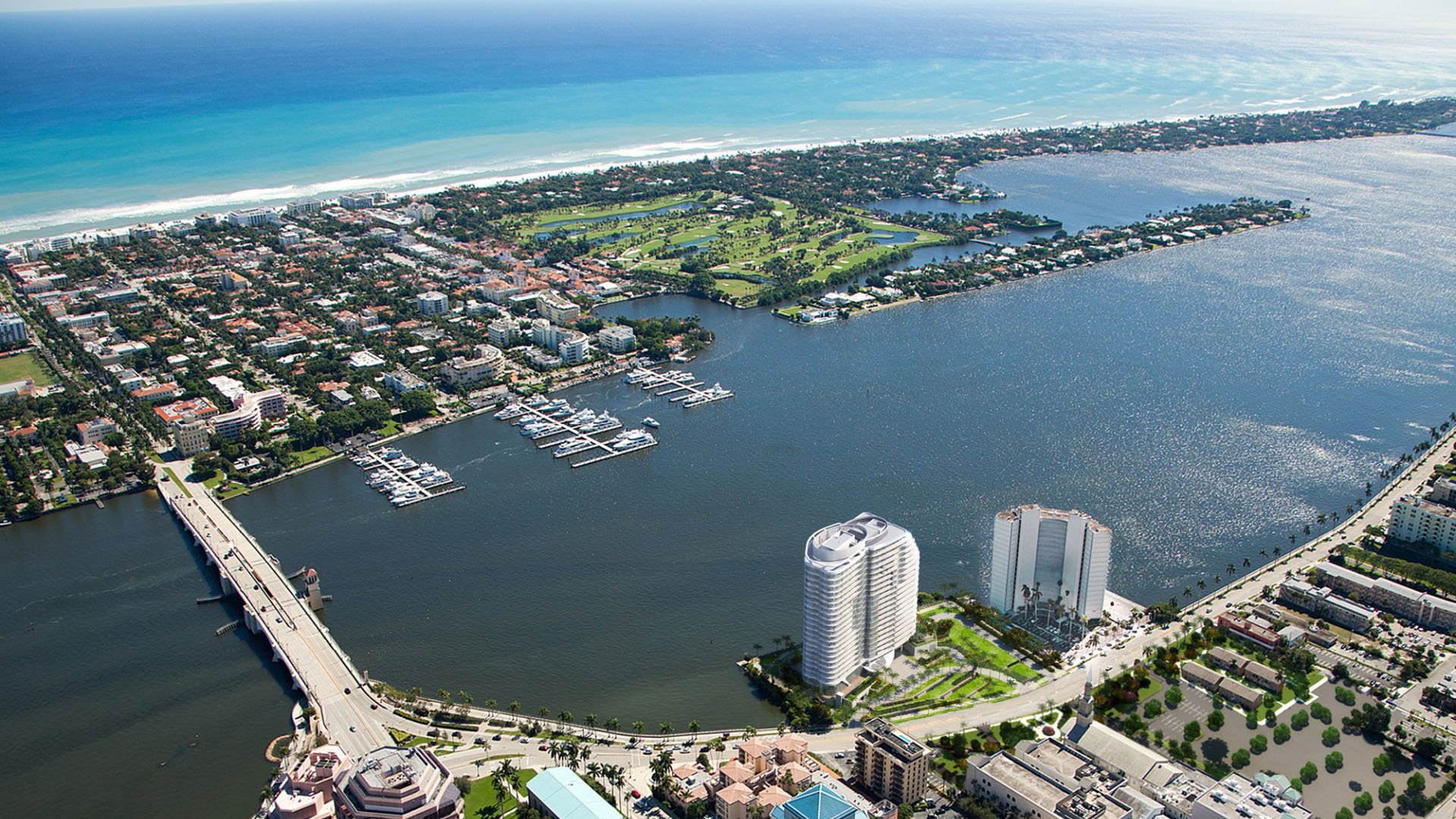
A walkable urban address and a private residential enclave offer different versions of luxury. One brings daily destinations closer to home; the other prioritizes separation and discretion. The purchase decision becomes clearer when those lifestyle preferences are weighed alongside the financial obligations that sustain them.
For South Florida buyers, the meaningful comparison is not simply condominium versus estate, or city versus gated setting. It is the relationship between mandatory association spending, owner-controlled expenses, reserve funding, and potential assessments. A lower monthly fee does not necessarily mean a less expensive residence. A higher fee does not, by itself, establish better service or stronger finances.
The best fit is a residence whose operating structure matches both your daily life and your tolerance for future obligations.
Luxury Miami condominium fees can exceed $2,000 monthly before property taxes, unit insurance, utilities, parking, and special assessments. That threshold represents more than $24,000 annually in association charges alone-a starting point for underwriting, not a complete ownership budget.
Build a separate annual schedule for each candidate residence. Distinguish association charges from expenses paid directly by the owner, then identify possible overlaps. If water or certain insurance coverage is included in dues, establish exactly what remains your responsibility rather than assuming the association covers everything.
For a buyer considering 2200 Brickell, pair the appeal of a Brickell address with a review of the specific residence's budget and fee inclusions. Neighborhood preference cannot substitute for association-level scrutiny, and location alone supports no project-specific conclusion about fees or reserves.
Use the same ownership period and expense categories across alternatives. Keep approved assessments separate from ordinary operating costs. Treat uncertain future capital spending as an exposure to investigate, not a line item to omit.
Evaluate walkability through your actual routine: the destinations you visit regularly, the routes between them, and whether those routes are practical at the times you would use them. An urban address does not automatically deliver a walkable life.
Apply the same test when considering Arbor Coconut Grove. Rather than assuming a Coconut Grove address eliminates driving, map the daily activities that matter to your household and assess access directly. Convenience has value, but it should not become a precise savings estimate without a personal expense comparison.
For occasional residents, the question may be how effortlessly a short stay unfolds. For full-time owners, it may be whether the neighborhood supports daily routines without repeated logistical compromises. Both are legitimate reasons to favor an urban setting, even when association dues are substantial.
Give privacy an equally specific test. Ask what separation means to you: fewer shared encounters, control over your surroundings, or distance from activity. The word enclave does not answer those questions on its own.
Before comparing service packages, divide spending into three categories: mandatory association charges, mandatory expenses outside the association, and genuinely optional services. This distinction matters more than an appealing amenity description.
Ask which services are included in the base fee, which carry separate charges, and whether any minimum spending or membership obligation applies. Request the relevant documents rather than relying on a general promise of flexibility. A service is not optional merely because you rarely use it.
Apply the same discipline to an enclave search that includes The Links Estates at Fisher Island. Establish the ownership and service obligations for the particular residence before attributing financial autonomy to the Fisher Island setting or the estate label.
Optional spending offers control only when the governing arrangements genuinely allow it. Moving an expense outside the association does not make it disappear. Compare the complete service package you intend to use-not a stripped-down fee against a fully serviced alternative.
Enclave of Palm Beach illustrates why names are poor financial shortcuts. Its monthly HOA range of $3,000-$3,800 translates to $36,000-$45,600 annually before expenses outside the association fee. Inclusions encompass management, common areas, cable television, insurance, maintenance, pool and recreation facilities, sewer, trash, and water. Verify which inclusions apply to the residence under consideration.
That is not interchangeable with Enclave South in Miami. A September 10, 2026 active-listing snapshot for that separate community showed a $252 monthly-equivalent median across 11 listings with usable fee data. The figure is a dated sample, not a verified current quote for every home.
These examples describe different properties, service packages, and reporting periods. They do not establish a controlled comparison between condominiums and detached estates. The practical lesson is narrower: neither enclave branding nor a modest advertised fee reveals the full economics of ownership.
Florida's post-Surfside reserve requirements restrict associations' ability to waive funding for major building components. Unusually low dues therefore warrant closer examination rather than immediate reassurance. The essential question is whether today's charges adequately support the building's obligations.
Request the current budget and the last three years of budgets and financial statements. Review reserve studies, structural integrity reserve studies, and milestone inspection materials together. Look for consistency between identified repair needs, planned expenditures, and funding. A reserve balance has limited meaning without the obligations it must cover.
Request insurance certificates and claims history as well. Examine board minutes, pending litigation, delinquency records, and assessment history for additional context. These documents should explain not only what owners pay today, but also which pressures could change those payments.
Whether a shortlist includes Alina Residences Boca Raton or an urban alternative, apply the same financial questions without presuming any project's condition. Have qualified advisers interpret technical and legal materials before treating attractive dues as evidence of durable value.
Florida condominium examples include special assessments of approximately $25,000-$60,000. These amounts are examples, not a market-wide average, ceiling, or forecast for a particular residence. They demonstrate why monthly dues alone are an incomplete measure of affordability.
Ask which assessments are approved, which projects are under discussion, and how identified work is expected to be funded. Confirm payment obligations and transaction treatment with your advisers rather than assuming an assessment belongs entirely to the buyer or seller.
Ultimately, choose the setting you prefer only after understanding its mandatory spending, optional services, and capital obligations. A well-matched residence offers both the life you want and a financial structure you understand.
Explore South Florida residences through MILLION with lifestyle priorities and ownership economics considered together.
If branded residences are on your mind — as a home or as an allocation — we would be glad to share what we are seeing, privately.
Begin a quiet conversationCompare total annual carrying costs, separating association dues from owner-paid expenses and optional services. Evaluate assessment exposure separately from ordinary operating costs.
Luxury Miami condominium fees can exceed $2,000 monthly. Property taxes, unit insurance, utilities, parking, and special assessments may be additional.
No. Enclave of Palm Beach has stated monthly fees of $3,000–$3,800, illustrating why an enclave label is not a reliable cost category.
No, they are different communities. Enclave South's $252 monthly-equivalent median came from a September 10, 2026 sample of 11 active listings, not a current quote for every residence.
No quantified savings are established here. Evaluate walkability against your actual destinations and transportation spending rather than assuming an urban address lowers costs.
Confirm which services are included, separately charged, or subject to mandatory obligations. Compare the service package you intend to use across residences.
Request the current budget and the last three years of budgets and financial statements. Also examine board minutes, litigation, delinquency records, and assessment history.
Review reserve studies, structural integrity reserve studies, and milestone inspection materials together. Compare identified repair needs with planned spending and funding.
Low dues do not establish adequate reserve funding. Florida's post-Surfside requirements restrict the ability to waive funding for major building components, making funding adequacy important to examine.
They illustrate potential capital obligations beyond monthly dues. They are not a market-wide average, maximum, or forecast for any particular residence.