The right ownership structure begins with how a residence will be used. For South Florida buyers, homestead eligibility, investment liability, title-record privacy, financing and succession require distinct, coordinated decisions.
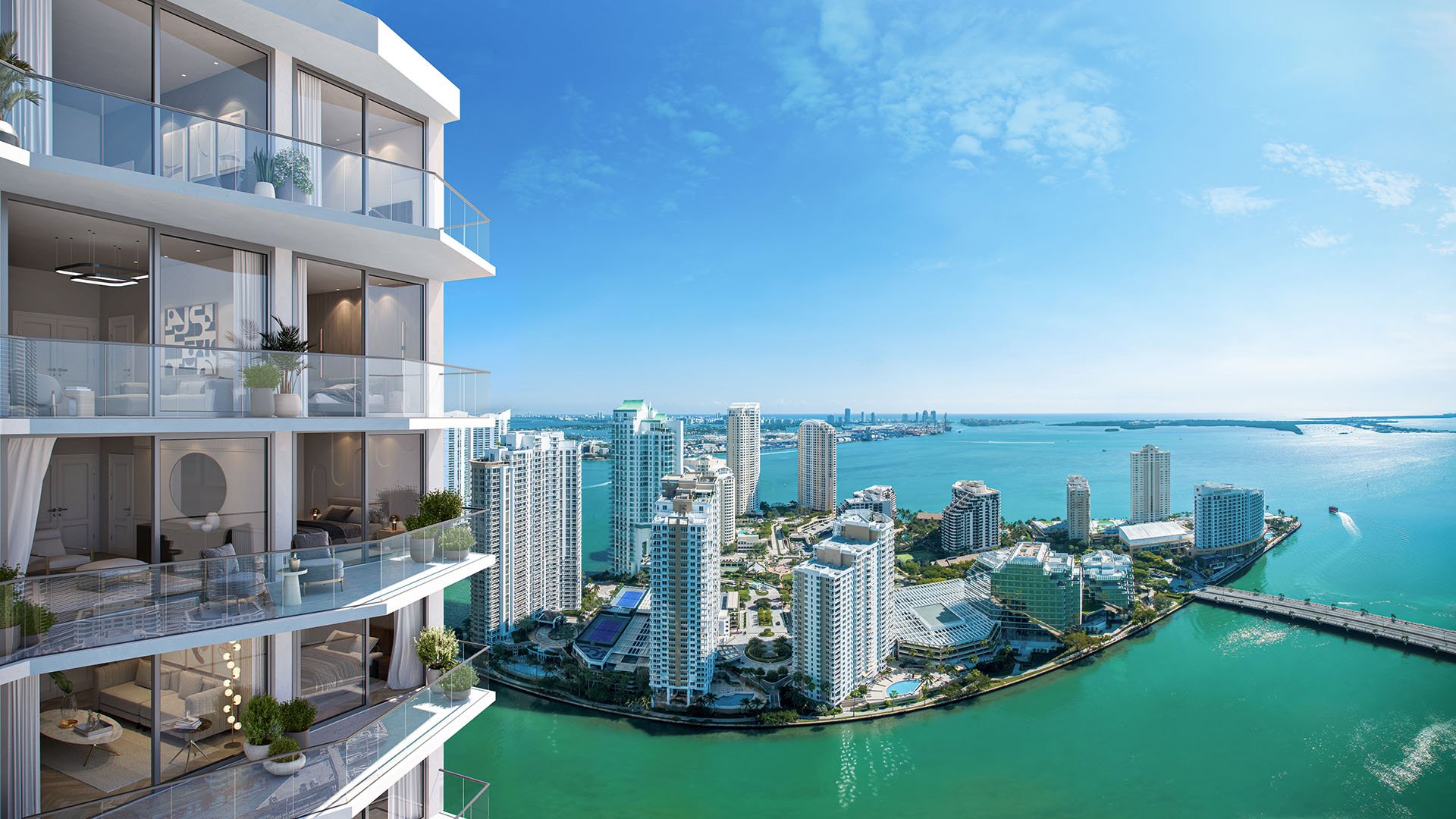
A South Florida residence is both a place to live and an asset to steward. Its ownership structure should reflect that distinction. The question is not whether a trust is inherently superior to an LLC, but which arrangement serves the property's intended use without sacrificing protections the buyer values.
For a Florida primary residence, individual ownership or a properly drafted trust is generally a better starting point than direct LLC ownership. For a rental or investment property, an LLC may be more useful because separating property-related liabilities becomes a central objective. Privacy and succession require separate consideration; neither should be confused with liability protection.
A buyer considering The Residences at 1428 Brickell should therefore establish whether the home will be a primary residence, a personal retreat or an investment before finalizing title instructions. The address does not answer the ownership question; intended use helps frame it.
Florida's constitutional homestead creditor protection has no dollar-value ceiling for a qualifying residence. For a luxury buyer, eligibility is a consequential planning issue-not a closing detail to revisit after the deed is recorded.
That protection is subject to acreage limits: up to one-half acre within a municipality or 160 contiguous acres outside a municipality. It also has exceptions. Qualifying claims for property taxes and assessments, purchase-money mortgages, improvements or repairs, and certain labor performed on the property are not defeated by homestead protection.
Direct LLC ownership generally does not qualify for this constitutional creditor protection, even when the LLC has only one member. An entity that appears to add a protective layer can therefore displace a protection especially relevant to a valuable primary home.
Keep three objectives separate: constitutional homestead creditor protection, homestead property-tax treatment and title-record privacy. A structure that advances one should not be assumed to deliver the others. Counsel should examine each independently rather than treating homestead as a single, universal benefit.
A trust is not a uniform ownership solution. A properly drafted and funded estate-planning trust can support orderly succession and allow the home to pass under its terms without probate. A suitable trust can also preserve homestead benefits, but eligibility depends on drafting and ownership rights-not merely on placing the word trust on the deed.
For a family considering Four Seasons Residences Coconut Grove, the discussion should focus on how ownership, continued use and succession fit together. The Coconut Grove purchase and the estate plan should be reviewed as connected decisions.
A Florida land trust serves a different purpose. It can improve title-record privacy because the trustee, rather than the beneficial owner, appears as the record titleholder. That does not mean the beneficial interest is generally protected from creditors.
Neither a trust nor an LLC guarantees anonymity. Trust names and deeds may remain public, while Florida LLC records can reveal managers or other identifying information. Buyers should define the privacy they seek rather than rely on a promise of invisibility.
For rental and investment real estate, an LLC can help separate property-related liabilities, including tenant injuries and contractor disputes, from assets held personally by the investor. This is distinct from preserving the homestead position of a primary residence.
Holding investment properties in separate entities can also help prevent a claim against one property's LLC from reaching properties held by other entities. The benefit depends on proper operation, not simply on forming multiple companies.
Separate accounts, records and contracts, together with appropriate insurance, help maintain that separation. An LLC is an operating responsibility, not a name inserted into closing documents and then forgotten.
A land trust holding title with an LLC as beneficiary is one structure used to combine title-record privacy with entity-level liability separation. It requires coordinated legal documentation and should not be treated as a shortcut to homestead eligibility or a guarantee against every claim.
A personal retreat should not automatically inherit the ownership strategy chosen for either a primary residence or an operating rental. Begin with actual use, financing, succession priorities and the degree of title-record privacy desired. Then have counsel assess which protections are available for that property.
For someone evaluating The Perigon Miami Beach as a personal retreat, the Miami Beach setting is separate from the legal analysis. A preference for discretion does not establish homestead eligibility, and a trust's succession function does not make it a liability shield.
Describe the intended ownership arrangement clearly. Will the home remain for personal use, or is rental use contemplated? Is succession the principal concern, or exposure arising from property operations? These questions help advisers distinguish an estate-planning need from an investment-liability need without assuming that one structure must solve both.
Ownership planning must also work with the loan. Direct LLC ownership can restrict access to conventional owner-occupied mortgage financing, so buyers should confirm acceptable ownership and borrowing arrangements with the lender before closing.
Buying personally and transferring the property into an LLC later is not necessarily a frictionless alternative. A transfer of mortgaged property can raise lender-consent and loan-transfer issues. It may also have documentary-stamp-tax or other transaction-cost consequences that should be evaluated before recording a new deed.
For a buyer considering Alba West Palm Beach, the West Palm Beach search should run alongside the ownership discussion, not ahead of it. Legal and financing advisers should reconcile the proposed titleholder, borrowing arrangement and any contemplated later transfer before closing instructions are finalized.
A useful pre-closing brief identifies the home's intended use, the proposed owner, the financing arrangement, the desired succession outcome and the privacy objective. Counsel can then assess homestead eligibility, trust provisions or entity documentation against those priorities.
The broad distinction remains clear: primary residences generally favor individual ownership or a suitable trust as the starting point; investment properties more often warrant an LLC discussion. Land trusts address title-record privacy, while properly funded estate-planning trusts can address succession. None of these functions should be assumed to substitute for the others.
This is general information, not individualized legal or tax advice; the final structure deserves property-specific review by qualified advisers.
Explore South Florida residences with MILLION while your advisers align ownership with the way you intend to live.
If branded residences are on your mind — as a home or as an allocation — we would be glad to share what we are seeing, privately.
Begin a quiet conversationIndividual ownership or a properly drafted trust is generally a better starting point because preserving homestead benefits is central. The final choice requires property-specific legal review.
A home owned directly by an LLC generally does not qualify, even if the LLC has only one member.
Florida's constitutional homestead creditor protection has no dollar-value ceiling for a qualifying residence. Eligibility, acreage limits and exceptions still apply.
The limits are up to one-half acre within a municipality or 160 contiguous acres outside a municipality.
No; exceptions include qualifying claims for property taxes and assessments, purchase-money mortgages, improvements or repairs, and certain labor performed on the property.
No; eligibility depends on the trust's drafting and the ownership rights it creates, not simply on holding title in a trust.
An LLC can help separate property-related liabilities from the investor's personal assets. Maintaining that separation requires proper accounts, records, contracts and appropriate insurance.
A land trust can improve title-record privacy, but it does not guarantee anonymity. A land trust alone generally does not shield the beneficial interest from creditors.
A transfer can raise lender-consent and loan-transfer issues, as well as potential documentary-stamp-tax or other transaction costs. Review the mortgage and proposed transfer before changing title.
A properly funded trust can allow the home to pass under the trust's terms without probate and support orderly succession.