For Toronto families evaluating Boca Raton real estate, the most valuable decision may not be the view or floor plan. It is how the property fits into a multigenerational structure for ownership, use, governance, liquidity, and succession.
For a Toronto family considering Boca Raton, the residence is rarely just a warm-weather address. It may serve as a seasonal gathering place, a future retirement base, a capital preservation asset, a family office decision, or a bridge between generations who use property differently. The most successful buyers tend to treat the acquisition not as a transaction, but as the start of a governance conversation.
That conversation should begin before a contract is signed. Who will use the residence, and when? Which generation will control it? Is the property intended to remain in the family, be sold at a defined point, or become part of a broader portfolio strategy? A home that appears straightforward during a showing can become complex when parents, adult children, spouses, grandchildren, and advisors all have a stake in its future.
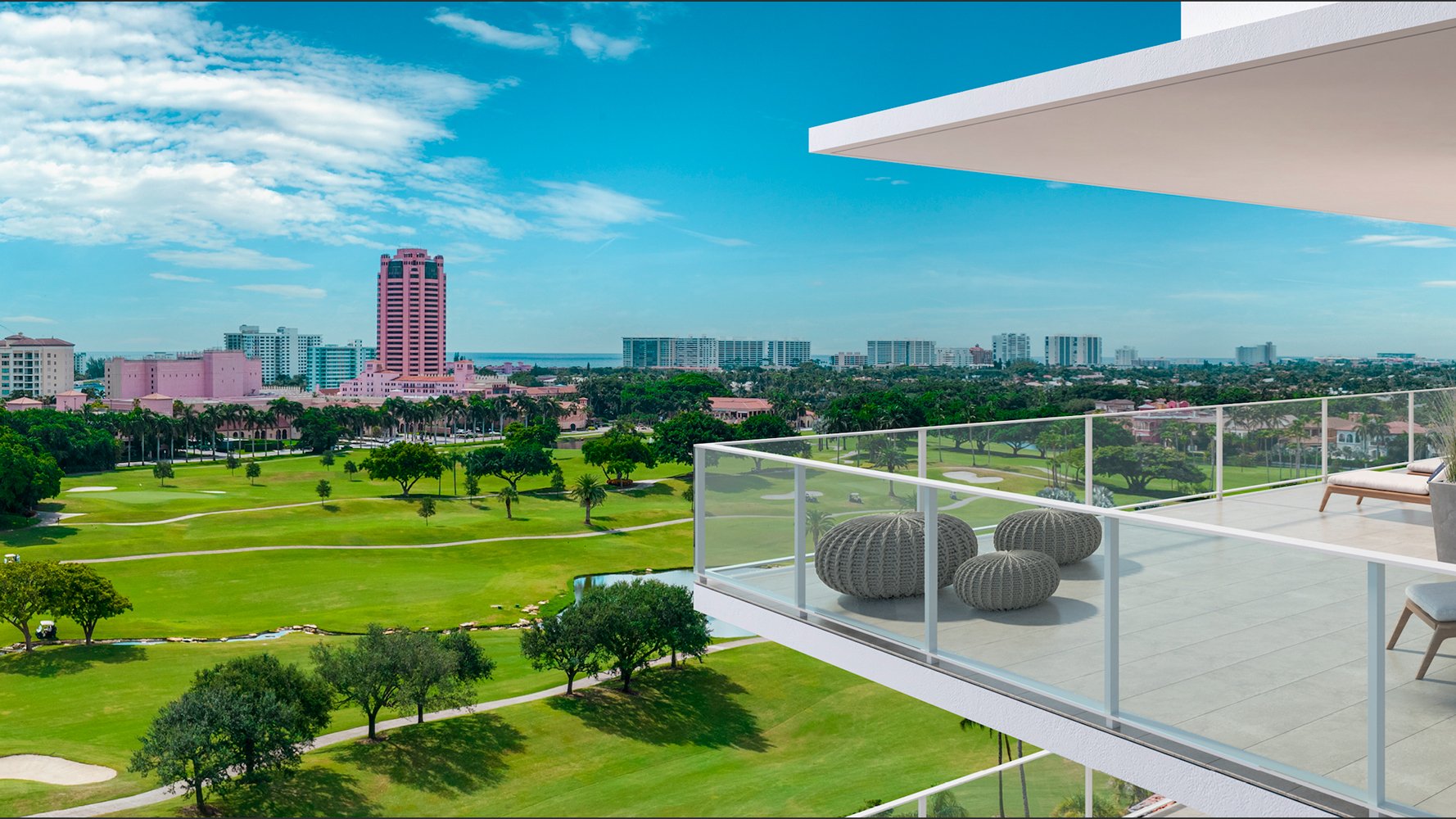
In Boca Raton, the appeal is deeply intuitive: privacy, order, resort-caliber living, and a more residential rhythm than denser urban markets. For some families, the decision centers on established luxury enclaves. For others, it turns on new construction, concierge living, and lock-and-leave ease. Either way, the planning framework should be as refined as the property itself.
Before comparing terraces, club amenities, and private elevators, families should ask a more consequential question: who should own the property? Individual ownership, joint ownership, trust ownership, corporate structures, and family entities can each create different consequences. The right answer depends on tax posture, estate objectives, financing preferences, privacy expectations, and how the family wants control to transfer over time.
This is not a place for informal assumptions. A Toronto buyer may be thinking in one legal and tax environment while purchasing in another. Coordinated advice from qualified Canadian and U.S. professionals can help ensure that title, estate documents, reporting obligations, and succession intentions do not conflict.
The best structure is not always the most elaborate one. Sometimes simplicity has value. In other cases, a more formal arrangement can reduce future friction. The guiding principle is clarity: who pays, who decides, who inherits, who may occupy, and who has authority if circumstances change.
Intergenerational property can fail quietly when expectations are not written down. One branch of the family may view the residence as a vacation home. Another may see it as an investment. One child may use it often, while another lives far away. A spouse may expect equal access. Grandchildren may eventually treat it as part of their own family memory.
A written family use policy does not need to feel corporate. It can be elegant, practical, and brief. It might address calendars, guest privileges, cost sharing, maintenance decisions, pet policies, renovations, staffing, and what happens if one family member wants to sell. It can also define whether the property is purely personal, occasionally rentable, or never to be rented.
For residences such as Alina Residences Boca Raton, buyers often focus first on design, service, and convenience. Those qualities matter, but families should also ask whether the building lifestyle supports the way different generations actually live. A property should not only impress at purchase. It should remain usable, manageable, and emotionally uncomplicated over time.
Luxury real estate can be a durable store of family value, but it is not the same as liquid capital. Carrying costs, association obligations, insurance, repairs, assessments, staffing, and periodic upgrades should be modeled before closing. So should foreign exchange exposure if funds, income, or family balance sheets remain tied to Canada.
A prudent family asks how the property will be supported in strong years and in stressful ones. Will one generation pay all expenses? Will costs be shared? Is there a reserve account? If the residence is held in a family structure, who funds it and how? If the property must be sold, who has authority to make that decision?
This is where emotional planning meets balance-sheet discipline. A Boca Raton home can be a cherished family anchor, but it should not create resentment among heirs or pressure elsewhere in the estate. Liquidity planning is not pessimism. It is what allows a family property to remain a pleasure.
The Toronto buyer of today may not be the primary user of tomorrow. Adult children may work remotely, travel differently, or prefer a hotel-style residence with minimal upkeep. Grandchildren may need walkable amenities, club access, or spaces that make extended family visits comfortable. Parents may prioritize wellness, security, and ease of ownership.
That is why the property search should include a generational lens. Glass House Boca Raton may appeal to buyers seeking contemporary residential living with a boutique sensibility, while The Residences at Mandarin Oriental Boca Raton may enter the conversation for those who value branded service and hospitality-oriented ease. The question is not which is objectively superior. It is which platform best supports the family’s future use pattern.
Some families also compare Boca Raton with Palm Beach, West Palm Beach, Miami Beach, and Fort Lauderdale. That comparison can be useful, but it should be anchored to lifestyle purpose. A second home meant for quiet family continuity is different from a trophy pied-a-terre or a high-visibility social address. Even the shorthand matters: whether a household says Boca Raton, Boca-ratón, or simply “Florida,” the residence should have a defined role in the family system.
A sophisticated acquisition should have a coordinated advisory table. That may include cross-border tax counsel, estate counsel, real estate counsel, insurance advisors, wealth managers, lending specialists, and property management professionals. The objective is not to complicate the purchase. It is to avoid discovering conflicts after closing.
Key questions should be resolved in sequence. How will funds move? How will title be held? What estate documents need review? What happens upon incapacity or death? How will insurance be maintained? Who will monitor association rules? Who has signing authority for repairs, assessments, or a future sale?
The strongest families bring the next generation into the conversation without surrendering control prematurely. Transparency can reduce surprise. It can also reveal whether heirs actually want the asset. A residence that one generation considers legacy may be viewed by another as responsibility. Better to learn that before the plan depends on sentiment.
Boca Raton’s most compelling luxury proposition is not only climate or architecture. It is the ability to create a private, repeatable family rhythm. The annual winter stay, the holiday gathering, the long weekend with grandchildren, the quiet month after a demanding year: these moments are often why the property exists.
That emotional return deserves a planning structure equal to its importance. The residence should have an ownership plan, a succession plan, a funding plan, and a use plan. It should be reviewed when marriages, births, deaths, tax residency, health needs, or business liquidity events change the family’s circumstances.
For some buyers, a residence such as Mr. C Residences Boca Raton may represent a more serviced interpretation of legacy living. For others, the priority may be privacy, square footage, or proximity to established personal networks. The common denominator is intention. The right property is the one that can carry both lifestyle and stewardship without forcing the family to choose between them.
Should Toronto families decide ownership structure before choosing a Boca Raton property? Yes. Ownership structure can influence tax, estate, privacy, financing, and succession planning, so it should be reviewed before closing.
Is a Florida residence automatically simple for Canadian families to pass to heirs? Not necessarily. Cross-border estates can involve multiple planning systems, making coordinated legal and tax guidance important.
Can a Boca Raton home be both a lifestyle asset and an investment? It can, but the family should define which purpose takes priority when decisions about expenses, use, or sale arise.
Why does family governance matter for a vacation residence? Governance helps prevent misunderstandings about access, costs, guests, renovations, and future disposition of the property.
Should adult children be included in the planning process? Often, yes. Their expectations and willingness to inherit responsibilities can materially affect the long-term plan.
What carrying costs should buyers discuss before closing? Families should review maintenance, insurance, association obligations, reserves, management, and future capital needs.
Does currency exposure matter for Toronto buyers? It may. If wealth or income remains connected to Canada, exchange-rate movement should be considered in funding plans.
Is new construction easier for intergenerational ownership? It can be, particularly when service, maintenance, and modern systems reduce day-to-day management demands.
How often should the plan be reviewed? A review is sensible after major family, health, residency, business, or liquidity changes.
What is the most important first step? Define the property’s purpose, then align advisors, title, funding, estate documents, and family expectations around that purpose.
For a discreet conversation and a curated building-by-building shortlist, connect with MILLION.
If branded residences are on your mind — as a home or as an allocation — we would be glad to share what we are seeing, privately.
Begin a quiet conversation