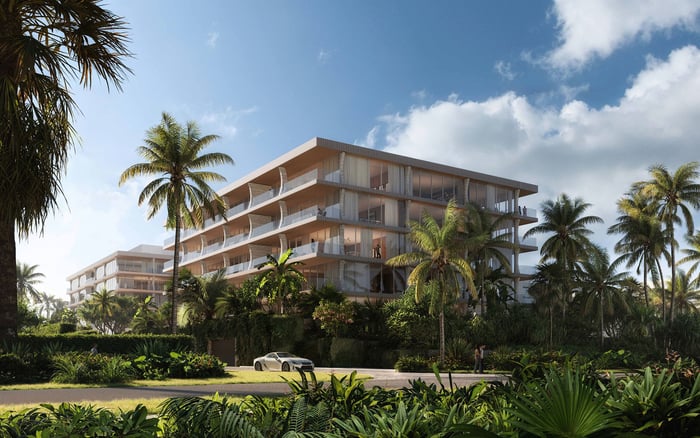
A discerning guide to five South Florida residence profiles for aging in place, ranked through the lens of interior quiet, circulation adjacency, adaptable living and unit-specific diligence.
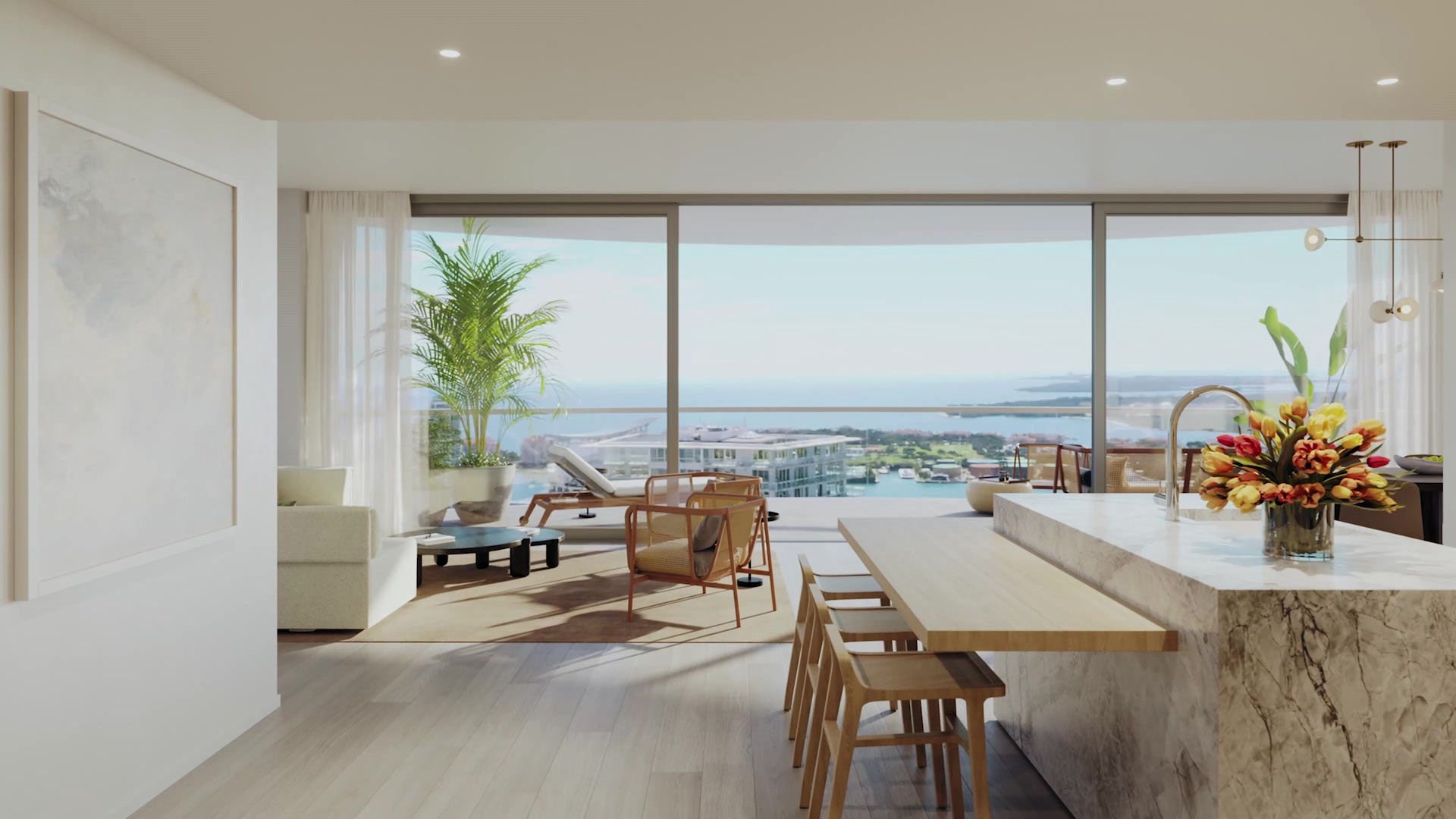
For buyers planning to remain in a South Florida residence through later life, interior quiet deserves the same attention as layout, finishes and views. The relevant question is not whether a building is considered prestigious, but whether the precise residence is suitably separated from service circulation, shared gathering spaces and other recurring activity.
A careful search should examine unit placement, the surrounding floor plan and how the property operates throughout the day. The following ranking presents five residence profiles that can guide a search across Miami-Dade, Broward and Palm Beach counties without assuming that any building or floor is inherently quiet.
A corner layout may merit first consideration when it limits the number of shared walls and sits apart from elevator lobbies, service doors and back-of-house routes. Buyers should confirm the actual floor plan and inspect every adjoining space rather than relying on a marketing diagram.
The bedroom location is especially important. Favor arrangements that place sleeping areas away from the entry, shared corridors and active common spaces where possible.
A home positioned away from pools, lounges, event rooms and arrival areas can be a strong candidate for a buyer sensitive to recurring activity. Separation should be evaluated horizontally, vertically and across exterior exposures.
Visit while the relevant amenity areas are in use. A private showing during an unusually calm period may not reveal the residence’s everyday sound environment.
Construction type alone should not decide the ranking. Request available information about walls, floors, ceilings, glazing, entry doors and penetrations, then have qualified professionals interpret the materials when appropriate.
Renovated residences require added attention because flooring changes and interior alterations may affect lived acoustic conditions. Confirm applicable building requirements before planning any corrective work.
For aging in place, a calm setting should be considered alongside ease of movement and the ability to adapt rooms as routines change. Clear circulation, practical room relationships and manageable transitions can matter as much as decorative features.
Low apparent activity is not proof of privacy. Buyers should still examine neighboring uses, service access and the location of shared building functions.
A residence in a property with clearly understood operating patterns may suit buyers who value consistency. The objective is to learn when deliveries, maintenance, housekeeping and amenity activity occur and how those functions relate to the unit.
Management quality should be assessed through direct diligence rather than assumption. Ask focused questions and verify whether the specific residence is exposed to recurring operational traffic.
Project research can help narrow the field, but a building name cannot establish the acoustic experience of a particular unit. In Miami Beach, buyers may begin with The Ritz-Carlton Residences® South Beach and then evaluate individual stacks, adjoining uses and circulation paths.
In Boca Raton, Alina Residences Boca Raton and The Residences at Mandarin Oriental Boca Raton provide additional starting points for a unit-specific comparison. These project pages should support, not replace, an in-person review and appropriate professional diligence.
Visit more than once when possible, including periods when service activity or shared amenities are likely to be operating. Spend quiet time in bedrooms, living areas and near the entry. Listen beside demising walls, windows and doors, and note what lies above, below and beside the home.
Ask for available plans and records relevant to the residence. If alterations are contemplated, consult qualified professionals and confirm the condominium’s requirements before selecting materials or beginning work.
Aging in place is ultimately a unit-level decision. A residence should support comfort today while offering a practical setting for changing mobility, routines and service needs.
What should buyers check first on a floor plan? Identify the residence’s relationship to elevators, service areas, shared corridors and public venues.
Does a prestigious building guarantee a quiet interior? No. Quiet must be assessed in the exact unit and in relation to surrounding spaces and operations.
Are corner residences always the best choice? Not necessarily. They may reduce shared-wall exposure, but their vertical and exterior adjacencies still require review.
Why should buyers visit more than once? Conditions can vary as deliveries, maintenance and amenity activity change throughout the day.
Should bedrooms be placed away from the entry? That arrangement may be preferable for a quiet-focused buyer, subject to the complete layout and adjoining uses.
Is construction type enough to judge acoustic comfort? No. Buyers should also review available information about walls, floors, ceilings, glazing, doors and penetrations.
Why do adjoining spaces matter? The uses above, below and beside a residence can influence whether its placement suits a buyer’s preferences.
Can a renovated residence require extra diligence? Yes. Buyers should review relevant alteration information and confirm applicable building requirements.
How does aging in place affect residence selection? It places added emphasis on practical circulation, adaptable rooms, comfort and the home’s relationship to services.
What is the most reliable way to evaluate a candidate? Combine repeated in-person visits, document review and appropriate professional advice before making a decision.
For a discreet conversation and a curated building-by-building shortlist, connect with MILLION.
If branded residences are on your mind — as a home or as an allocation — we would be glad to share what we are seeing, privately.
Begin a quiet conversation