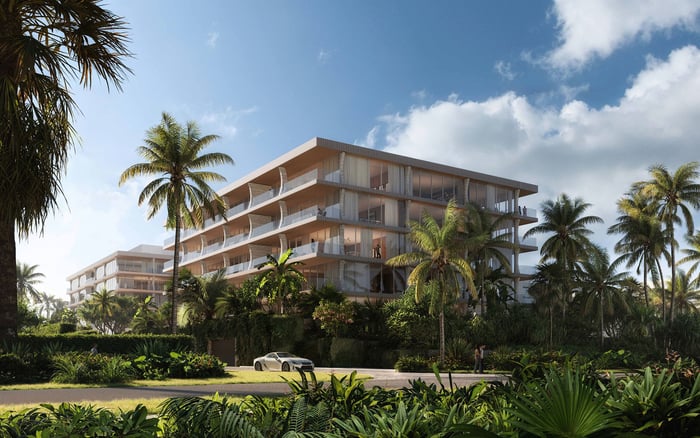
A buyer-focused framework for comparing five Palm Beach Gardens lock-and-leave residence profiles across unit size, floor position, view line, carrying costs, and potential resale appeal.
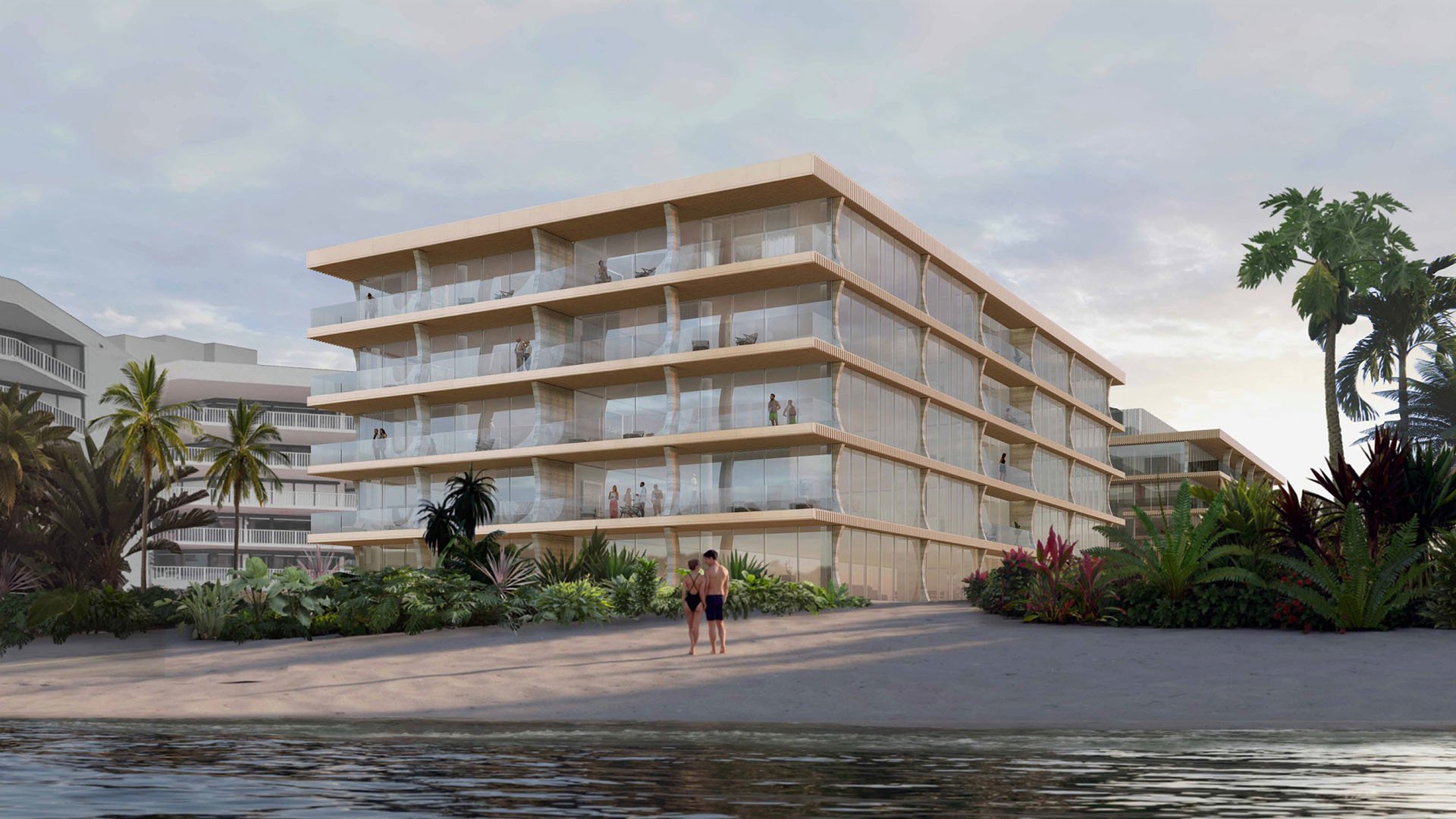
For a lock-and-leave buyer, liquidity is not simply a promise of a fast sale. It reflects how clearly a residence may appeal to the next purchaser when its layout, floor, outlook, condition, price, and recurring costs are considered together.
The supplied fact table contains no verified project-level sales, pricing, inventory, fee, or market-time data. A definitive numerical ranking would therefore be unsupported. The five positions below are best used as a due-diligence framework for comparing Palm Beach Gardens residence profiles rather than as a performance league table.
1. Waterfront condominium residences
A waterfront condominium may suit buyers who value an outlook and simplified ownership, but each unit should be evaluated independently. Compare the durability of the view line, the usefulness of the floor plan, interior condition, recurring costs, and relevant closed sales.
2. Centrally located condominium residences
A central location can broaden practical appeal, yet location alone does not establish liquidity. Buyers should examine access, floor position, layout, condition, current competition, and the total monthly ownership burden.
3. Lock-and-leave townhomes
Townhomes may attract purchasers seeking more separation and a residential format distinct from a tower. The resale analysis should account for configuration, maintenance responsibilities, community obligations, condition, and comparable townhome transactions.
4. Premium-view condominium residences
A premium floor or view can differentiate a home, although it may also narrow the audience if the asking price moves beyond relevant comparable sales. The key question is whether the premium is supported by verified transactions involving genuinely similar residences.
5. Value-oriented lock-and-leave residences
A residence positioned at a more accessible total cost may reach a wider audience, but value should not be judged by purchase price alone. Monthly obligations, upcoming work, condition, layout, and competing inventory all affect the eventual resale proposition.
Unit size should be assessed alongside layout efficiency. A larger home is not automatically easier to resell, while a smaller residence may be constrained by an impractical configuration. Buyers should compare like with like whenever possible.
Floor position also requires context. Elevation may enhance privacy or outlook, while a lower floor may appeal for other practical reasons. Neither choice guarantees liquidity without support from pricing, condition, recurring costs, and relevant transactions.
View lines deserve particular scrutiny. Buyers should distinguish between the current outlook and any assumptions about its long-term durability. Any material question should be investigated through appropriate project documents and professional due diligence.
Buyers considering newer residential offerings can review The Ritz-Carlton Residences® Palm Beach Gardens as part of a local comparison. Newer offerings and established resales should not be treated as interchangeable without verified evidence.
A broader Palm Beach County comparison may also include Mr. C Residences West Palm Beach, Glass House Boca Raton, and Palm Beach Residences. These options can help buyers clarify priorities, but they do not establish resale performance for Palm Beach Gardens properties.
Request current project documents, recurring-cost information, relevant closed-sale records, active competition, and details about the specific residence. Compare homes with similar configurations, floors, exposures, and condition rather than relying on broad community averages.
Buyers should also separate personal preference from resale logic. A distinctive residence may be ideal for a particular owner while appealing to a narrower future audience. Professional legal, financial, inspection, and real estate guidance can help test the assumptions behind a purchase.
Can these five profiles be treated as a definitive ranking? No. The supplied fact table provides no verified project-level evidence for a numerical performance ranking.
What does resale liquidity mean for a lock-and-leave home? It describes the potential depth of the future buyer pool and the residence’s ability to compete when offered for sale.
Does a higher floor guarantee an easier resale? No. Floor position must be considered with layout, view, condition, price, recurring costs, and comparable sales.
Are larger residences always more liquid? No. Larger homes may appeal to a narrower audience, while layout efficiency and total cost can matter as much as size.
Why do view lines matter? An outlook can influence buyer interest and pricing, but purchasers should investigate whether the view is durable rather than assumed.
How should condominium and townhome options be compared? Compare configuration, maintenance responsibilities, recurring obligations, condition, and relevant transactions within each property type.
Why are carrying costs important? Recurring expenses affect the total ownership burden and may influence how many future purchasers can comfortably consider the home.
Should active listings be used to estimate value? Active listings show current competition, but verified closed transactions generally provide a different and necessary point of comparison.
Can newer projects establish resale liquidity for existing residences? No. They can provide market context, but they should not substitute for verified resale evidence from comparable existing homes.
What should a buyer review before making an offer? Review project documents, recurring costs, the home’s condition, relevant closed sales, active competition, and any material questions with qualified advisers.
To compare the best-fit options with clarity, connect with MILLION.
If branded residences are on your mind — as a home or as an allocation — we would be glad to share what we are seeing, privately.
Begin a quiet conversation