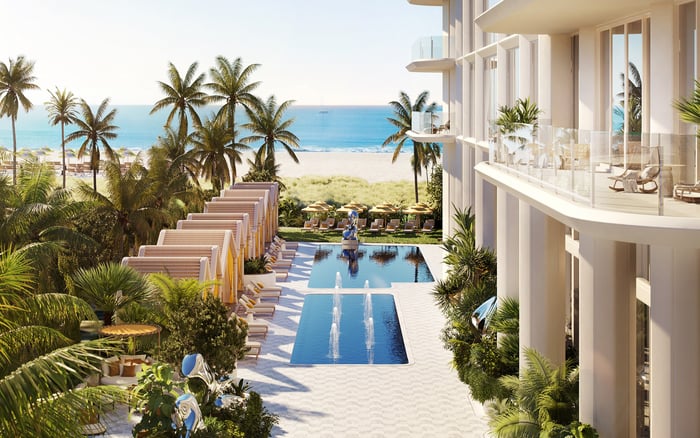
Five healthcare and resilience initiatives frame a more discerning Miami-Dade property review, with practical questions for caregiver access, emergency planning, and building-level backup power.
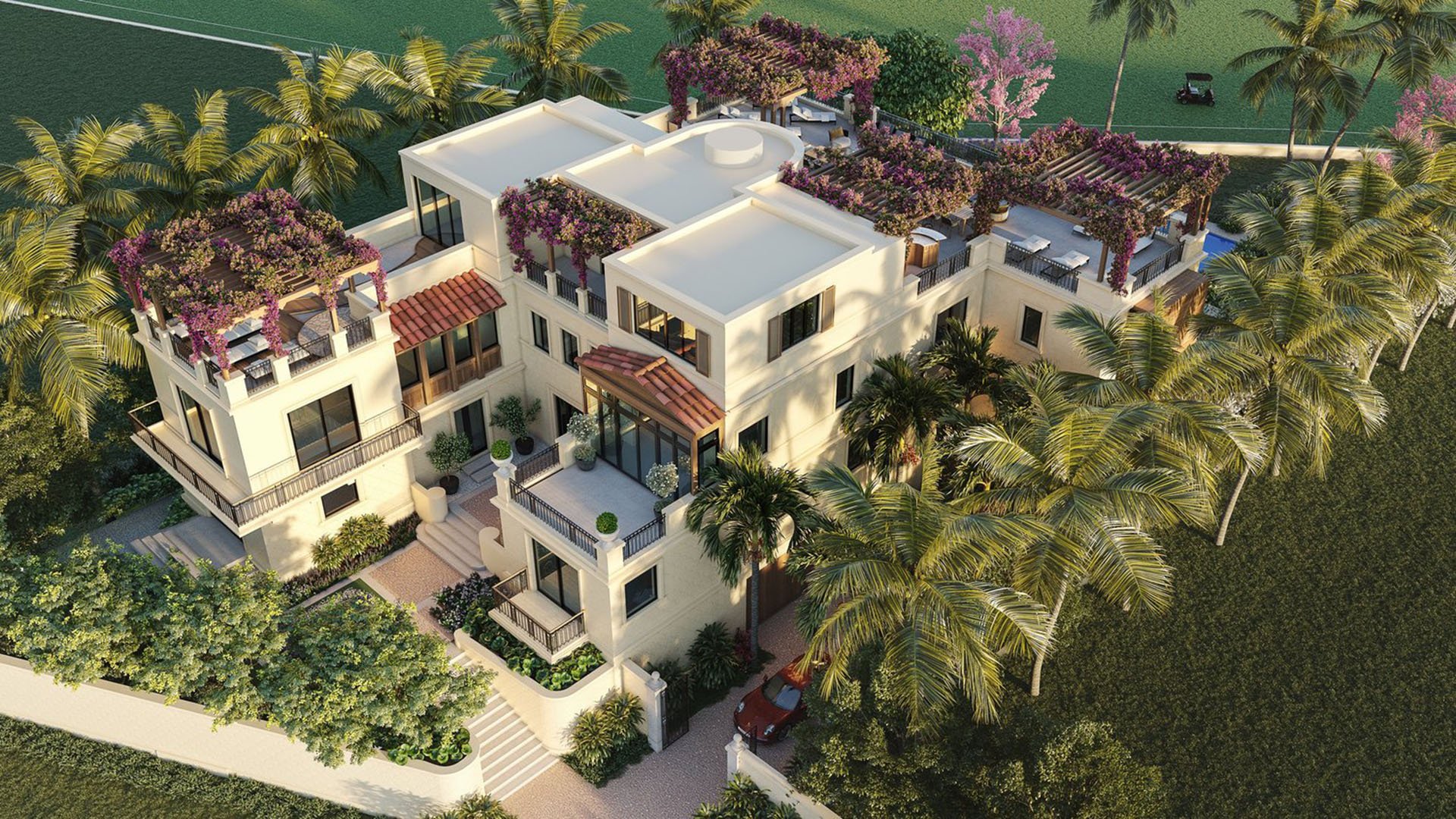
For a household coordinating medical appointments, visiting caregivers, or support across generations, luxury is partly operational. The questions extend beyond the arrival court: where care is available, how a caregiver enters, what stays powered during an outage, and whether essential emergency infrastructure is being strengthened.
The five Miami-Dade initiatives below frame that conversation. They span hospital capacity, emergency coordination, grid improvements, community healthcare power, and fire-station resilience. This editorial ranking reflects their relevance to a private-client briefing, not an official performance score. Announced schedules and projected milestones should not be treated as confirmed completion.
For buyers considering The Residences at 1428 Brickell, the distinction matters: countywide investment can inform a Brickell search, but it cannot establish a particular building's caregiver arrangements or backup coverage.
1. Jackson Memorial Hospital Emergency Department Expansion - Civic Center, Miami
The approximately $400 million phased expansion ranks first because it directly addresses emergency-care capacity. Once complete, the expansion is expected to include more than 200 patient rooms and roughly double the existing emergency department's capacity. For a healthcare-focused property review, that scale carries more weight than a general promise of neighborhood convenience.
April 23, 2026 was the planned first-patient date, with remaining expansion work projected for fall 2027. Neither milestone establishes a verified opening or completion here. The next step for the household is to confirm current services and entrances, then assess medical routes without assuming that additional capacity guarantees shorter waits or uninterrupted access.
2. Lightspeed Integrated Command & Communications Center - Sweetwater
The $210 million Lightspeed center is designed to coordinate emergency response across dozens of agencies. Its planned Emergency Operations Center includes advanced video capabilities for real-time situational awareness, an 80-foot communications tower, and a rooftop helipad designed for helicopters weighing up to 30,000 pounds.
Groundbreaking was announced in September 2025. The center's relevance lies in coordinated crisis management, not proximity to an individual residence. The helipad and communications infrastructure are significant operational components, but they do not establish private medical transport privileges, a property's emergency response time, or a completed operating facility.
3. FPL Storm Secure and Critical-Facility Grid Upgrades - Countywide
This entry is a 2026 infrastructure program, not a single construction site. The announced Miami-Dade scope includes 203 Storm Secure undergrounding projects and strengthening of 53 main power lines serving critical facilities. These include hospitals, 911 centers, police and fire stations, water-treatment plants, and emergency-operation centers.
The program also calls for 2,193 miles of vegetation trimming and inspection or reinforcement of 37,059 power poles. These measures are intended to reduce outages and accelerate restoration after severe weather. They strengthen regional electrical resilience, but do not establish that an individual condominium has generator coverage, battery storage, or uninterrupted service.
4. Miami Beach Community Health Center Resilient Power Installation - Miami Beach
More than $1.35 million has been invested in resilient power infrastructure for Miami Beach Community Health Center. The installation links two concerns often considered separately: access to community healthcare and the electricity needed to sustain it during disruption.
The resilient-power approach includes solar microgrids and battery storage to support operations during disasters and prolonged outages. Supported functions include patient care, medical equipment, communications, vaccine refrigeration, and medication storage. For a private-client briefing, the significance is continuity of essential functions-not an assumption of unlimited operating duration or guaranteed availability for a particular patient.
5. Miami-Dade Fire-Rescue Elevated Station Generator Program - Seven stations
The program covers Sunny Isles Station 10, Key Biscayne Station 15, PortMiami Station 39, Fisher Island Station 42, Haulover Beach Station 21, Bunche Park Station 54, and Saga Bay Station 55. Elevated-generator installations were projected for completion by the close of FY 2025-26. That deadline remains a projected milestone, not a confirmed result.
Elevating emergency-power equipment is intended to reduce flood and storm damage and preserve operational readiness. The value lies in protecting response infrastructure. It does not establish flood immunity, guaranteed station availability, or a response-time commitment for homes in Sunny Isles Beach, Key Biscayne, or Fisher Island.
None of these initiatives establishes comparable caregiver parking counts, visitor access arrangements, or accessible drop-off conditions. Those questions belong in the residential review and require written answers, not assumptions based on an elegant porte-cochère or a staffed lobby.
For a Miami Beach shortlist that includes The Perigon Miami Beach, ask how recurring caregivers would be registered, whether overnight parking would be permitted, and how shift changes would work. These are diligence questions, not statements about the project's policies.
The review should also cover accessible unloading, the route from vehicle to residence, visitor fees, height restrictions, and arrangements if the usual entrance is unavailable. Separate parking permission from access permission: a caregiver may need both. For households comparing Downtown Miami with island locations, evaluate the actual care routine and alternate medical routes rather than relying on a neighborhood label.
Regional electrical resilience and a residence's backup system answer different questions. The FPL program concerns the network; the health-center and fire-station projects concern specific operating facilities. Neither establishes what remains functional inside a home.
When considering St. Regis® Residences Sunny Isles, request documentation identifying protected building loads, generator capacity, fuel autonomy, and equipment flood elevation. Confirm whether coverage would extend to individual residences or only designated shared systems. Ask separately about elevators, water pumps, communications, access controls, and any household medical equipment.
A useful briefing translates technical specifications into practical consequences. Can the household reach its floor? Can a caregiver enter? Is there an appropriate power plan for essential equipment? Verify runtime assumptions and maintenance arrangements with the relevant building professionals rather than inferring them from the presence of a generator.
For an island search involving The Residences at Six Fisher Island, the station-generator program provides relevant context, but the property's access and continuity arrangements still require a separate review. The same discipline applies across the county: identify the household's needs first, then test the residence against them.
The strongest private-client brief distinguishes documented infrastructure investment from projected delivery and verified building operations. These five initiatives belong in that brief because they address meaningful healthcare and resilience questions. None substitutes for a property-specific plan covering caregivers, medical routes, protected loads, and contingencies.
For a discreet property search shaped around healthcare access and operational resilience, connect with MILLION.
If branded residences are on your mind — as a home or as an allocation — we would be glad to share what we are seeing, privately.
Begin a quiet conversationIt directly addresses emergency-care capacity, with an approximately $400 million phased expansion expected to provide more than 200 patient rooms and roughly double existing capacity.
No. April 23, 2026 was the planned first-patient date, and remaining work was projected for fall 2027; completion is not independently established here.
The $210 million center in Sweetwater is designed to coordinate emergency response across dozens of agencies, with planned video, communications, and helipad capabilities.
No. It is a countywide 2026 infrastructure program including 203 undergrounding projects and strengthening of 53 main power lines serving critical facilities.
No. Grid resilience does not establish on-site generator or battery coverage, protected residential loads, or uninterrupted electricity at a particular address.
The resilient-power approach supports patient care, medical equipment, communications, vaccine refrigeration, and medication storage during disasters and prolonged outages.
The seven stations are Sunny Isles 10, Key Biscayne 15, PortMiami 39, Fisher Island 42, Haulover Beach 21, Bunche Park 54, and Saga Bay 55.
No. Completion was projected by the close of FY 2025–26, but that schedule is not treated as verification that the installations were completed.
Confirm recurring visitor registration, overnight parking permission, accessible drop-off, fees, and shift-change arrangements. Parking permission and building access should be checked separately.
No. They provide infrastructure context but do not establish address-level response times or uninterrupted healthcare access.