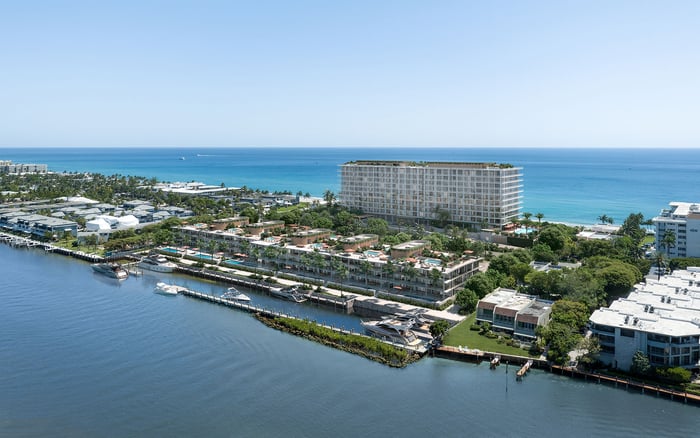
A conditional five-project Broward briefing focused on the questions that matter to vehicle owners: secure storage, documented valet custody, vehicle-specific battery care, and dependable charging access.
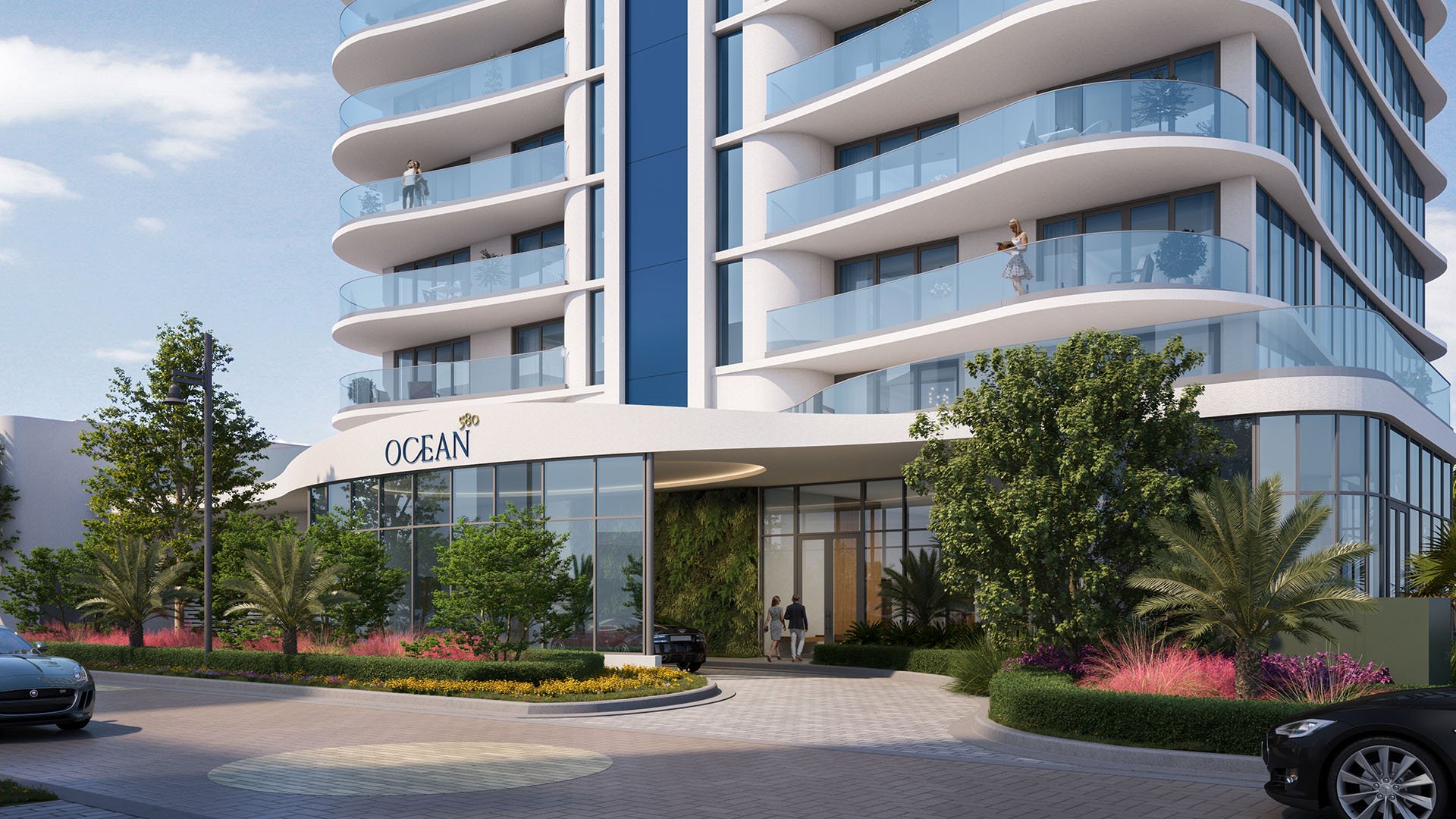
For a buyer bringing a collection, a daily driver, or an electric vehicle to Broward, the garage deserves the same scrutiny as the residence. The question is not simply whether parking is available, but whether the proposed arrangement suits the vehicles, the owner's travel calendar, and the household's expected level of control.
A place on a private-client shortlist should remain conditional on current availability and written operating terms. The five projects below are candidates for that conversation, not a comparative verdict on vehicle services. Inclusion does not confirm active sales, storage provisions, valet arrangements, battery maintenance, or charging infrastructure.
The objective is straightforward: distinguish an attractive arrival experience from an arrangement the owner can understand, authorize, and rely on.
1. Sixth & Rio Fort Lauderdale: vehicle allocation and owner access
At Sixth & Rio Fort Lauderdale, begin with the relationship between the residence and its parking. Request the proposed space allocation, the document establishing the buyer's rights, and any conditions governing reassignment or additional vehicles. Ask whether the intended arrangement permits owner access, requires an attendant, or combines both.
Before advancing the property, assess the proposed space and access route against the actual vehicle dimensions. Seek written answers on clearance, turning space, storage restrictions, and access during extended absences. These are conditions to investigate, not established project features.
2. St. Regis® Residences Bahia Mar Fort Lauderdale: valet custody and accountability
For St. Regis® Residences Bahia Mar Fort Lauderdale, lead with vehicle custody. If valet service is proposed, ask who operates it, who employs the drivers, and which party receives an incident claim. Request the applicable service terms rather than relying on a general description of hospitality.
Ask how keys are secured, vehicle condition is recorded, and movements are authorized. Request the procedure for disputing damage, including notification deadlines and preservation of relevant records. These questions apply regardless of branding.
3. The Ritz-Carlton Residences® Pompano Beach: battery-care permissions
At The Ritz-Carlton Residences® Pompano Beach, organize the conversation around the owner's absence schedule. Ask whether approved battery-maintenance equipment may be used, where it could connect, and whether anyone would be authorized to inspect it. Distinguish permission to plug in a device from a contracted obligation to monitor a vehicle.
Any proposed care plan should follow the vehicle manufacturer's instructions and identify the person responsible. Do not assume parking access includes starting, moving, charging, or otherwise maintaining an unattended car.
4. Waldorf Astoria Residences Pompano Beach: usable EV charging
For Waldorf Astoria Residences Pompano Beach, request the proposed charging arrangement in operational terms. Would access be assigned or shared? Who would control reservations, move vehicles, collect charges, and resolve equipment faults? Ask which elements would be available by the buyer's intended occupancy date.
The decision should turn on the arrangement offered to that residence, not a general reference to EV capability. Confirm connector compatibility, available power, access rules, and any installation or recurring costs before making charging part of the purchase rationale.
5. Shell Bay by Auberge Hallandale: extended-absence coordination
At Shell Bay by Auberge Hallandale, frame the briefing around a household that may leave vehicles behind. Request any rules governing prolonged parking, authorized representatives, covers, maintenance visits, and vehicle retrieval. Ask what happens if the owner cannot be reached when a car must be moved.
If a vehicle-care service is offered, identify its scope, exclusions, price, and responsible operator. The test is whether the owner can leave clear instructions without creating an undefined obligation for building staff.
When considering Sixth & Rio Fort Lauderdale, ask for a parking exhibit tied to the residence under consideration. Have the buyer's adviser distinguish ownership, assignment, and permission to use a space. Clarify any right to substitute or relocate that space.
For St. Regis® Residences Bahia Mar Fort Lauderdale, bring the same precision to any proposed valet agreement. Ask whether the owner may restrict drivers, prohibit discretionary vehicle movement, or designate an authorized collector. The answer should be specific enough to guide an actual handoff.
Ask counsel and the owner's insurance adviser to review the proposed allocation of responsibility. An assurance that vehicles are insured does not explain whose coverage responds, what is excluded, or how a claim proceeds.
Second-home ownership calls for a written absence plan. In reviewing The Ritz-Carlton Residences® Pompano Beach, specify the vehicle, anticipated storage period, and requested attention. Ask management to approve or decline each task rather than accepting a broad promise of care.
For Waldorf Astoria Residences Pompano Beach, request a charging scenario that reflects the household's routine: arrival with a depleted battery, an overnight stay, and departure the following morning. Ask how the proposed system would accommodate that sequence and what alternative the owner would need during downtime.
Keep battery instructions vehicle-specific. Do not prescribe a universal charge target, maintenance interval, or engine-starting routine. Obtain the relevant manufacturer's guidance and ask whether the building's rules permit the necessary arrangement.
A review of Shell Bay by Auberge Hallandale should include an authorization plan alongside the parking questions. Name the person who may collect the car, approve a service visit, or respond to an urgent relocation request. Ask how those permissions are recorded and withdrawn.
Consider requesting a return-arrival checklist covering retrieval notice, key release, and any expressly agreed charging task. Nothing should depend on staff inferring the owner's preferences from previous visits.
Use the same decision sheet for all five candidates: current availability, parking rights, access, custody, absence rules, battery-care permissions, charging arrangements, costs, and unresolved questions. Mark a feature as confirmed only when the applicable documents or responsible operator support it.
The appropriate choice is the residence whose documented arrangement fits the household's vehicles and expectations. Keep any unresolved service outside the purchase rationale until its scope and responsibility are clear.
For a discreet discussion of your Broward residence search and vehicle-related priorities, connect with MILLION.
If branded residences are on your mind — as a home or as an allocation — we would be glad to share what we are seeing, privately.
Begin a quiet conversationNo. Each project is a conditional briefing candidate; current availability and vehicle-related services require confirmation before they inform a purchase.
Request the proposed space allocation and the documents defining the residence's parking rights. Clarify reassignment, additional vehicles, and access restrictions.
Identify the operator, the party responsible for incident claims, and the procedures for recording condition and securing keys. Request the applicable written service terms.
Ask to assess the proposed space and access route against the vehicle's dimensions. Include clearance, turning space, and retrieval arrangements in that review.
Do not assume it does. Request separate confirmation of equipment permission and any obligation to inspect or supervise its use.
Use vehicle-specific manufacturer guidance rather than a universal routine. Ask whether the property's rules permit the requested tasks and who would perform them.
Confirm assigned or shared access, compatibility, available power, billing, and equipment responsibility. Ask which elements would be available at the intended occupancy date.
Ask who receives fault notifications and arranges repairs. Decide what alternative the household would use when charging is unavailable.
Designate anyone permitted to collect, service, or authorize movement of the vehicle. Ask how the property records and revokes those permissions.
Compare documented parking and service terms against the household's actual vehicles and routines. Keep unresolved services outside the purchase rationale until their scope and responsibility are clear.