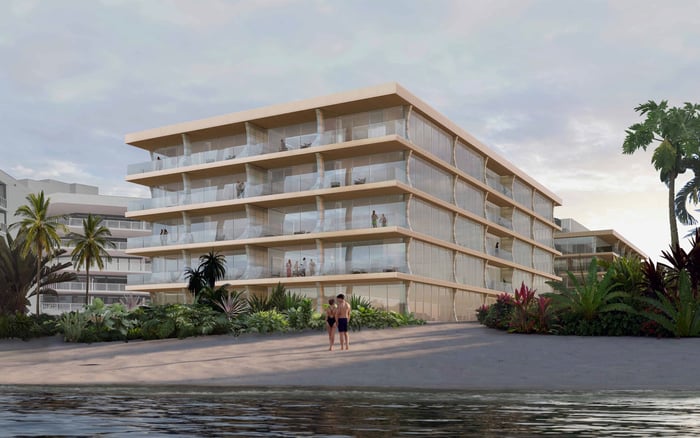
A disciplined comparison of Shorecrest, Edgeworth, and Banyan Tree Residences in West Palm Beach should focus on documented service obligations, operational privacy, and the complete recurring cost of ownership rather than assumptions based on branding or presentation.

Buyers considering Shorecrest Flagler Drive West Palm Beach, Edgeworth West Palm Beach, and Banyan Tree Residences West Palm Beach can use the same due-diligence framework even when available disclosures differ. The central questions concern what service is contractually provided, how privacy works during everyday operations, and which costs continue after closing.
A useful review separates confirmed terms from sales language. Project presentations can introduce a concept, but governing documents, budgets, rules, and agreements determine how ownership is intended to function.
Service should be evaluated as an operating system rather than an amenity label. For each project, buyers can request a written description of staffing, service hours, access procedures, response channels, and any offerings charged separately.
The review should identify which services are included in regular assessments, which are optional, and which depend on third-party agreements. If a brand, club, wellness provider, or hospitality operator is discussed, buyers should ask how its role is defined and whether the arrangement can change.
Promises should also be compared with the proposed operating budget. A service concept is easier to assess when the anticipated staffing and expenses correspond with the experience being presented.
Privacy depends on more than a residence count or floor plan. Buyers should study how residents, guests, staff, vendors, deliveries, and vehicles move through a property.
Questions can cover elevator sharing, lobby controls, guest authorization, package handling, loading access, valet procedures, and service routes. A typical-floor plan and circulation diagram may clarify whether different users share entrances or vertical transportation.
The same review should address in-residence access. Buyers can ask how maintenance, housekeeping, emergency entry, and contractor visits are authorized, documented, and managed under the proposed rules.
Purchase terms are only one component of the financial review. Buyers should request the current draft budget, estimated assessment schedule, reserve assumptions, insurance allocations, and a list of mandatory or optional charges.
Potential expenses may be categorized by purpose: building operations, staffing, utilities, amenities, parking or valet arrangements, service programs, and other recurring obligations described in the project documents. The goal is not merely to total the figures, but to understand which expenses may vary and which services can be modified.
Rules governing leasing, guests, pets, renovations, and deliveries also deserve attention because they can affect use and flexibility. Buyers should rely on the applicable documents and qualified professional advice when interpreting legal or financial obligations.
Location preference and operating structure are related but distinct decisions. A buyer may favor one West Palm Beach setting while preferring the service or privacy framework presented by another project.
Additional West Palm Beach references include Forté on Flagler West Palm Beach and Mr. C Residences West Palm Beach. These project pages can broaden the comparison without replacing a document-level review of Shorecrest, Edgeworth, or Banyan Tree Residences.
Before making a reservation or purchase decision, buyers can request the latest available declaration, budget, assessment estimate, reserve information, insurance framework, rules, management terms, and relevant third-party agreements. They should confirm the version and date of every document received.
A project-by-project worksheet can record whether each item has been provided, remains preliminary, or requires clarification. Unanswered questions should remain open rather than being resolved through assumptions.
The most useful comparison is therefore not which presentation sounds most compelling, but which ownership model is best supported by current documentation and aligned with the buyer’s priorities.
What is the main comparison among these three projects? The comparison centers on documented service, operational privacy, and the complete cost of ownership.
How should buyers evaluate service claims? They should compare written staffing plans, service scopes, operating hours, fee schedules, and relevant agreements.
Does branding establish the services an owner will receive? Not by itself. Buyers should verify how any brand or operator role is defined in the applicable documents.
What privacy details deserve review? Elevator sharing, access controls, guest procedures, deliveries, service routes, and vendor entry are key areas to examine.
Can a residence count determine privacy? No. The way people and services circulate through a property can be more informative than the total alone.
Which ownership-cost documents should buyers request? Useful materials include the draft budget, estimated assessments, reserve information, insurance allocations, and fee schedules.
Why do optional charges matter? They help distinguish the regular cost of ownership from services billed separately when used.
Should use restrictions be part of the comparison? Yes. Rules concerning leasing, guests, pets, renovations, and deliveries can affect how an owner uses a residence.
How should incomplete disclosures be handled? Buyers should mark missing items as unresolved and seek updated documents or written clarification instead of making assumptions.
What is the best way to choose among the projects? Compare the latest available documents against personal priorities and obtain appropriate legal and financial advice before committing.
For a tailored shortlist and next-step guidance, connect with MILLION.
If branded residences are on your mind — as a home or as an allocation — we would be glad to share what we are seeing, privately.
Begin a quiet conversation