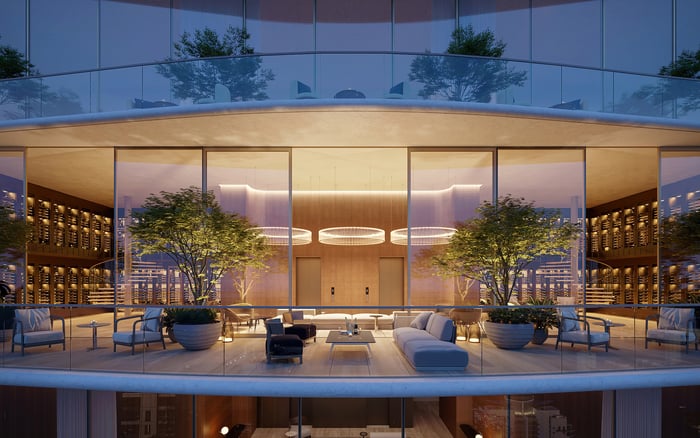
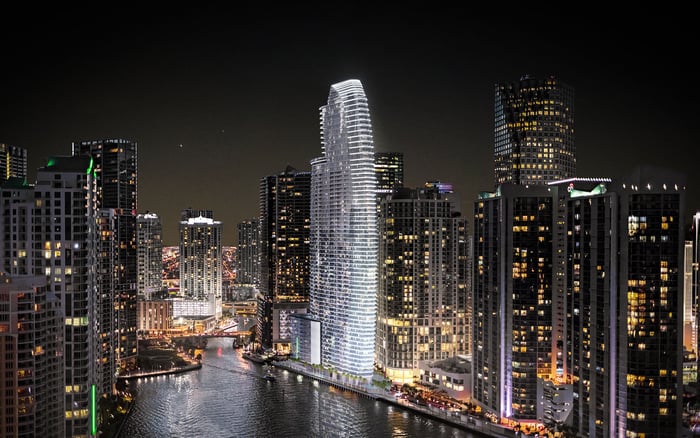
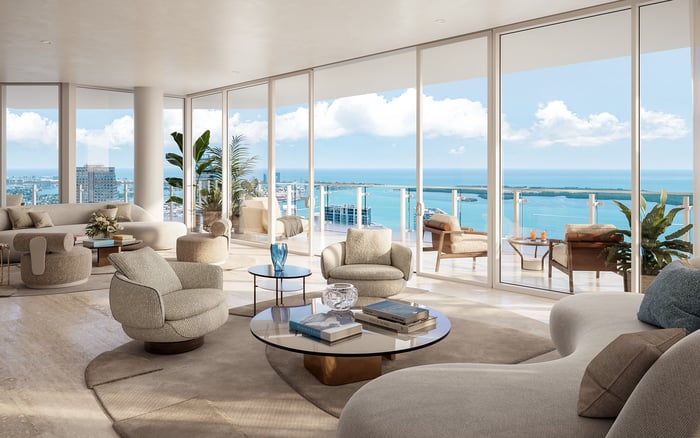
A buyer-focused comparison of The Residences at 1428 Brickell and Faena Residences Miami Downtown Miami through the practical lens of beach access, wind, crowding, and seasonal ownership rhythm.
At the upper end of Miami’s condominium market, buyers often compare residences by architecture, views, finishes, amenities, and prestige. Those elements matter, but they do not define the full ownership experience. For many South Florida buyers, the more revealing question is how a building performs across ordinary weekdays, peak-season weeks, windy afternoons, guest arrivals, beach plans, restaurant nights, and the quiet hours between them.
That is where the comparison between The Residences at 1428 Brickell and Faena Residences Miami Downtown Miami becomes more nuanced. Both names sit within the broader language of new-construction luxury in the urban core. Both appeal to buyers who want Miami without retreating to a purely resort-residential beach address. Yet Brickell and Downtown create different patterns of movement, privacy, exposure, and convenience.
This is not a question of which is universally better. It is a question of which setting better fits the way an owner actually lives.
Brickell has a distinct cadence. It is dense, polished, and highly legible for owners who want restaurants, offices, services, fitness, and social appointments close to home. The Residences at 1428 Brickell belongs in that conversation because Brickell ownership is often about reducing friction during the week. The value is not only the residence itself, but the ability to compress a sophisticated urban life into a few efficient blocks.
For a primary resident, Brickell can feel especially rational. Meetings, dinners, errands, and appointments are often organized around the neighborhood rather than requiring a full cross-town plan. For a seasonal owner, Brickell can also function as a controlled base, particularly when guests are more interested in dining, nightlife, and city access than in stepping directly onto sand.
The tradeoff is intensity. Brickell is not a sleepy enclave. Its appeal comes with traffic patterns, pedestrian energy, valet choreography, and the constant pulse of Miami’s financial and social core. Buyers who care deeply about the sense of arrival should study how the building experience feels not only on a calm weekday morning, but also during dinner hours, event weeks, and the height of winter season.
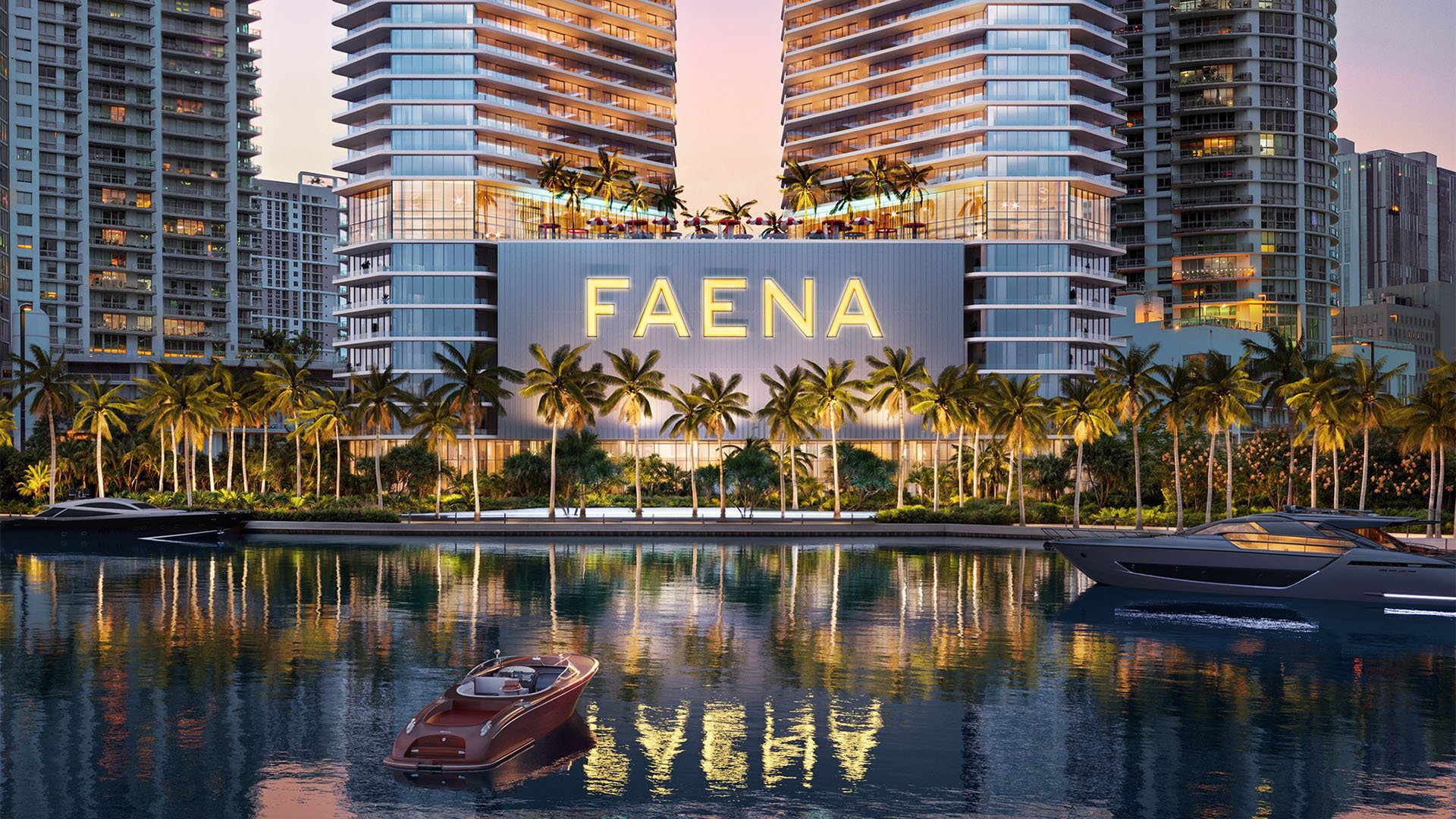
Downtown is adjacent to many of the same urban advantages, but its ownership mood can read differently. Faena Residences Miami Downtown Miami suggests a buyer who may want a more culturally framed downtown life, with access to the city’s evolving arts, entertainment, dining, and waterfront energy. Downtown can feel less like a single-purpose business district and more like a stage where Miami’s civic, cultural, and leisure identities overlap.
That can be compelling for owners who entertain frequently, host guests with varied itineraries, or prefer a base that feels connected to multiple versions of Miami. Downtown can place an owner between the business gravity of Brickell, the waterfront experience of Biscayne Bay, and the broader movement toward the beaches and cultural districts.
The consideration is legibility. Downtown Miami is dynamic and layered. Some buyers will find that energy exciting. Others will prefer the clearer daily pattern of Brickell. The right choice often depends on whether the owner wants a neighborhood that feels tightly programmed or one that feels more fluid.
Beach-access is often discussed too simply. For these two projects, the question is not whether either feels like a beachfront condominium. They should not be judged like an oceanfront tower in Miami Beach, Surfside, Bal Harbour, or Sunny Isles. The better question is how often the beach will be part of the owner’s real routine.
If the beach is a daily ritual, an urban mainland address requires planning. Timing, transportation, guest coordination, beach club preferences, and seasonal traffic all become part of the ownership equation. If the beach is a weekend pleasure or a guest itinerary, then Brickell or Downtown may be entirely appropriate. The owner can enjoy the city as the primary home environment and treat the beach as a deliberate excursion rather than the front yard.
This distinction matters for families, second-home owners, and international buyers. Some owners imagine daily beach use, then discover that dining, wellness, shopping, boating invitations, and private entertaining dominate their Miami calendar. Others arrive convinced they want city energy, only to realize that sand and ocean are central to their sense of escape. The correct answer is personal, but it should be decided before contract, not after move-in.
Wind is one of the most underestimated variables in high-rise ownership. Buyers are naturally drawn to views, terraces, and elevation, but the lived experience of outdoor space depends on exposure, orientation, height, surrounding buildings, and seasonal conditions. High floors can feel magnificent, but balcony use is not identical every day of the year.
For both Brickell and Downtown, wind should be considered in practical terms. Will morning coffee on the terrace be part of the routine? Will guests gather outdoors before dinner? Is the buyer sensitive to movement, sound, or the feeling of open-air height? Does the residence need to perform for quiet reading, outdoor dining, or simply the visual pleasure of a water view?
Urban towers can also create microclimates. Neighboring structures may shield some exposures while accelerating breezes along others. Buyers should pay attention to how a residence feels at different times of day. A dramatic view may still be the right choice, but it should be selected with a clear understanding of how often the terrace will be used rather than merely admired.
Miami’s peak season changes everything around a luxury residence. Restaurants fill earlier. Valet areas work harder. Routes to the beach, airport, arena, waterfront, and cultural events can take longer. Even the most composed building can feel different when guests, owners, service providers, drivers, and visitors are all moving through the city at once.
In Brickell, peak-season crowding often shows up as traffic density, restaurant demand, and the layered movement of residents, professionals, and visitors. In Downtown, the pattern can be tied to events, performances, waterfront activity, and broader city circulation. Neither condition is inherently negative. For some owners, this is the point of Miami: the city is alive, social, and international.
The question is tolerance. An owner who wants a highly private, retreat-like experience should scrutinize arrival sequences, elevator flow, guest handling, and the ease of leaving the neighborhood during busy periods. An owner who loves the city’s winter energy may consider this seasonal intensity part of the asset.
A disciplined buyer should begin with routine rather than romance. If most weekdays are structured around business, appointments, fitness, and dining in Brickell, The Residences at 1428 Brickell may align naturally with that life. If the owner wants a Downtown base with cultural proximity and a broader urban stage, Faena Residences Miami Downtown Miami may feel more resonant.
The second test is guest behavior. Where will visitors want to go on their first morning? If they expect beach days, the owner should think carefully about transportation and timing. If they want restaurants, galleries, events, and skyline evenings, an urban residence can be exceptionally satisfying.
The third test is weather sensitivity. Buyers should experience the neighborhood and, when possible, the elevation and exposure that resemble the intended residence. Wind, sun, noise, and traffic are not abstractions. They are daily ownership variables.
The final test is seasonality. A residence that feels serene in September may feel different in February. For ultra-prime buyers, the best decision is one that remains comfortable in both moments.
Is The Residences at 1428 Brickell better for a primary residence? It may suit buyers who want a highly efficient Brickell routine close to daily services, dining, and business activity.
Is Faena Residences Miami Downtown Miami more lifestyle-oriented? It may appeal to owners who want Downtown energy, cultural proximity, and a broader urban Miami setting.
Does either project replace an oceanfront lifestyle? No. These are urban mainland ownership choices, so beach days require planning rather than immediate beachfront access.
How should buyers evaluate beach-access from either address? Buyers should consider how often they truly go to the beach, how guests behave, and how seasonal traffic affects timing.
Why does wind exposure matter in Miami high-rises? Wind can change terrace comfort, outdoor dining plans, perceived height, and how often exterior space is actually used.
Are high floors always better? Not always. Higher elevation can enhance views, but buyers should balance outlook with wind, comfort, and daily usability.
How does peak season affect Brickell ownership? Peak season can increase traffic, restaurant demand, arrival complexity, and the general tempo around the neighborhood.
How does peak season affect Downtown ownership? Downtown can feel more active during events, winter travel periods, and cultural moments that draw people into the city.
Which choice is better for owners who entertain often? The better fit depends on whether guests prefer beach outings, city dining, cultural events, or a more private residential rhythm.
What is the most important due-diligence step? Experience the neighborhood at different times, especially during busy periods, and evaluate arrival, views, wind, and circulation.
If you'd like a private walkthrough and a curated shortlist, connect with MILLION.
If branded residences are on your mind — as a home or as an allocation — we would be glad to share what we are seeing, privately.
Begin a quiet conversation