A discreet editorial look at why refined access technology belongs in South Florida’s next generation of luxury residential design.
Quiet luxury has always been less about spectacle than control. In South Florida residential life, that control begins before a resident reaches the lobby, the porte cochere, or the private elevator vestibule. It begins at the threshold, where a vehicle is recognized, a gate opens without friction, and the property communicates confidence without turning arrival into performance.
Better license-plate recognition belongs in that conversation. Not as a gadget, and not as a substitute for human hospitality, but as part of a more composed residential experience. For owners accustomed to discretion, the finest access systems do not announce themselves. They reduce waiting, minimize awkward exchanges, and allow staff to focus on service rather than repetitive verification.
The subject may sound operational, yet it is deeply aesthetic. A poorly managed entry point can make even a remarkable property feel exposed. A thoughtful one reinforces the same values that shape a well-planned residence: privacy, sequence, proportion, and ease.
In the highest tier of South Florida real estate, security is no longer judged only by visibility. A guardhouse, camera, or gate may be necessary, but the real measure is how intelligently the experience is choreographed. Owners want protection, but they also want calm. They want guests welcomed with precision, vendors managed with discipline, and residents spared unnecessary interruption.
License-plate recognition can support that choreography when it is integrated into a broader access protocol. It can help distinguish routine resident movement from guest arrival, create a cleaner handoff between gate staff and concierge teams, and reduce the small frictions that accumulate in daily life. The luxury is not the technology itself. The luxury is not having to think about it.
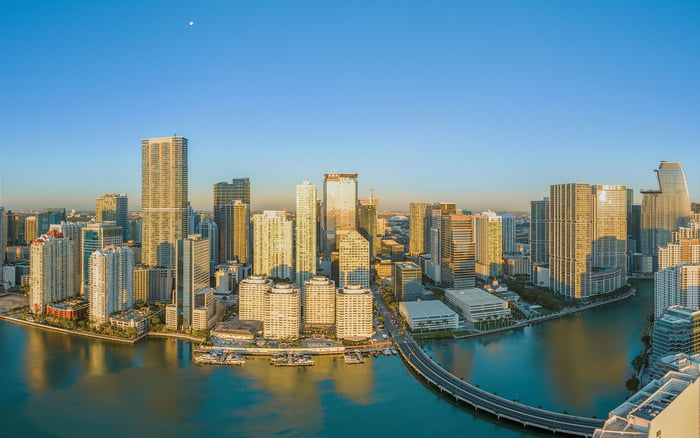
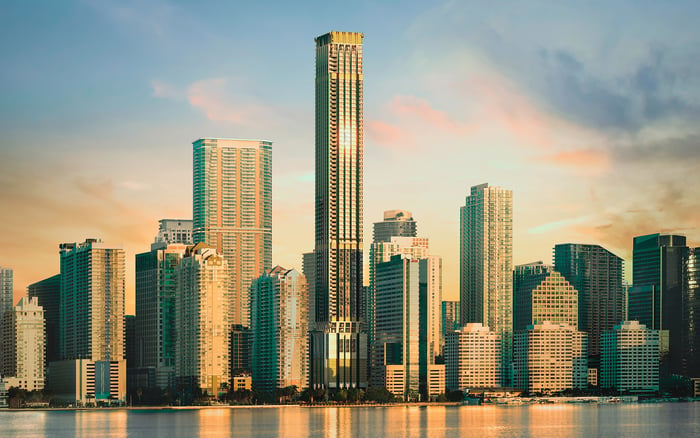
This matters across settings. In Brickell, where residential towers often meet urban intensity, arrival needs to feel composed despite movement around the property. In Aventura and Broward, where many residences depend on vehicular access as part of everyday life, the gate or driveway experience can shape the first impression as powerfully as the lobby.
A better system should meet three standards. First, it should be nearly invisible. Cameras, lighting, signage, and lane design should not feel improvised or aggressive. In a luxury environment, technology should recede into architecture and landscape, not compete with them.
Second, it should be accurate enough to support confidence without creating embarrassment. Nothing erodes a premium arrival faster than a resident being stopped repeatedly at a gate, a guest being misidentified, or staff having to override the system so often that the system becomes ceremonial. The goal is not theatrical control. The goal is quiet competence.
Third, it should be accountable. Owners should understand who manages the data, how long information is retained, who has access, and how exceptions are handled. Privacy-minded buyers are right to ask these questions. A high-end building or estate community should be able to explain its access philosophy as clearly as it explains its fitness program, wellness suite, or private dining room.
In an owner's checklist, this belongs beside investment, new-construction, gated-community, Brickell, Aventura, and Broward considerations. It is not merely a back-of-house line item. It is part of the asset's operating culture.
The most useful questions are practical. Does the residence rely on plate recognition at every vehicular entry, or only at select points? Is the system connected to guest management, valet operations, and staff procedures? How are temporary vehicles, rental cars, service providers, family offices, drivers, and household staff handled? Is there a clear process for updating approved plates without creating delays?
Buyers should also ask how the property balances automation with judgment. The best access environments do not remove people from the experience. They allow trained people to perform at a higher level. Staff can greet by name, anticipate arrivals, and handle exceptions with poise because the repetitive work has been organized in advance.
Just as important, the system should be reviewed as part of governance. Boards, owners, and property managers need a shared understanding of policies. A luxury residence can have excellent hardware and still deliver a poor experience if rules are vague, updates are inconsistent, or staff are left to improvise.
The difference often appears in small decisions. Lighting should support recognition without creating glare. Lanes should allow graceful stopping distances and avoid stacking vehicles in ways that feel public or exposed. Signage should be restrained, clear, and consistent with the property's design language. The physical entry should not look like a checkpoint unless the property is intentionally designed as a highly secured compound.
For condominium towers, the challenge is integration. The plate system should support valet, package access, guest registration, and resident preferences without turning the driveway into a technology demo. For estate communities, it should protect privacy while respecting the rhythm of daily household movement. For second-home owners, it should make arrival after time away feel seamless, not administrative.
This is where quiet luxury becomes operational. The best properties understand that residents do not separate architecture from experience. The marble, the landscape, the scent of the lobby, the elevator timing, and the entry sequence all belong to the same impression.
Sophisticated buyers increasingly evaluate how a property lives, not just how it photographs. Access control is part of that lived value. A residence with a smoother entry experience can feel more private, more orderly, and better managed. That perception matters when owners compare buildings, private islands, gated enclaves, and waterfront communities.
The issue is not whether every luxury property needs the most elaborate system available. Each property needs an access strategy proportionate to its setting, resident profile, and service promise. A boutique building may require a different solution than a large tower. A waterfront estate community may need a different protocol than an urban address. In every case, the goal is the same: protect the resident experience without making protection feel loud.
For sellers and developers, better license-plate recognition is part of narrative discipline. It tells buyers that the property has thought beyond finishes. It has considered the mechanics of privacy, the elegance of movement, and the dignity of returning home.
Why does license-plate recognition matter in luxury real estate? It can make arrival smoother, more discreet, and less dependent on repetitive manual checks.
Is better access technology mainly about security? Security is part of it, but the larger luxury value is privacy, efficiency, and calm execution.
Should buyers ask about data policies? Yes. Owners should understand access, retention, permissions, and exception procedures.
Can technology replace trained staff? No. In a refined property, technology should support staff judgment rather than replace hospitality.
What makes a system feel high-end? It should be accurate, visually discreet, easy to update, and integrated with daily operations.
Does this matter more in urban areas like Brickell? It can be especially valuable where traffic, guests, valet movement, and privacy intersect daily.
Is it relevant for Aventura and Broward communities? Yes. Vehicular access often defines the rhythm of arrival in these residential markets.
What should boards review? Boards should review policies, vendor performance, resident updates, staff training, and data handling.
Can better access improve perceived value? It can support a stronger impression of management quality, privacy, and everyday livability.
What is the quiet luxury test? If the system works well, residents notice the ease more than the equipment.
If you'd like a private walkthrough and a curated shortlist, connect with MILLION.
If branded residences are on your mind — as a home or as an allocation — we would be glad to share what we are seeing, privately.
Begin a quiet conversation