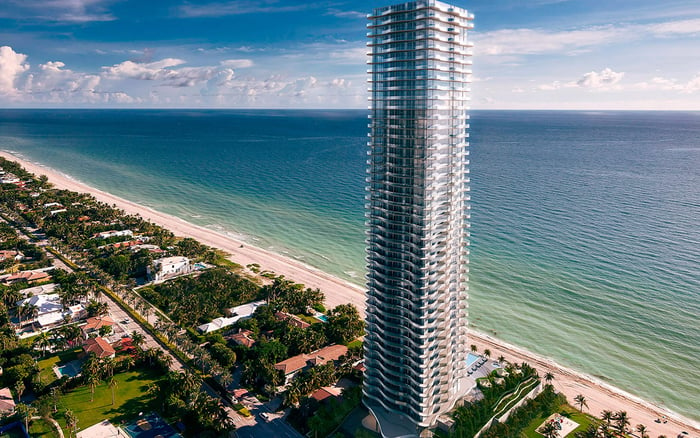
A discreet buyer’s checklist for evaluating air filtration, requesting water-quality documentation, setting housekeeping preferences, and confirming wellness-service continuity in Sunny Isles Beach after the 2026 Miami Grand Prix.
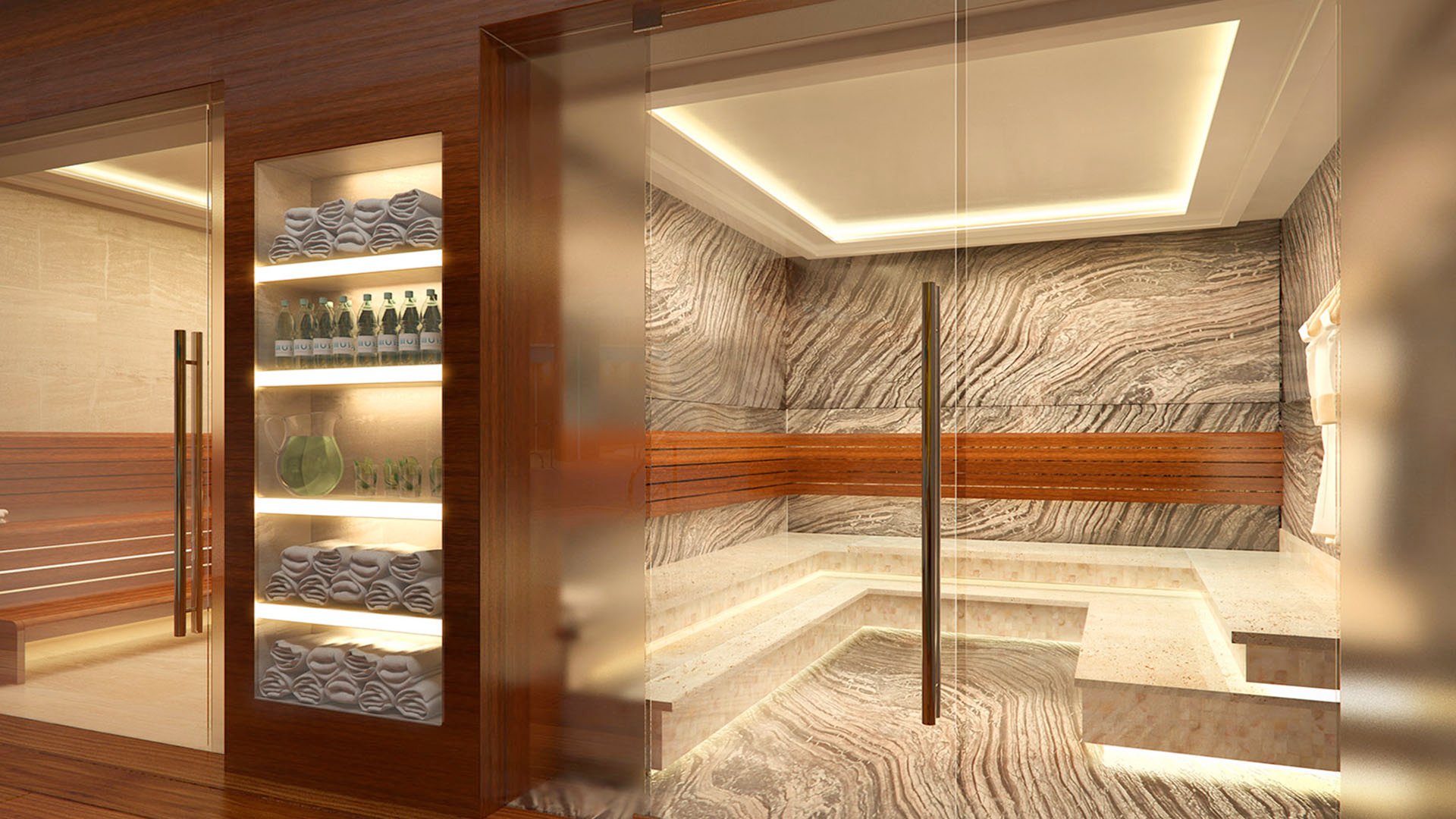
The 2026 Formula 1 Miami Grand Prix took place May 1-3 at the Miami International Autodrome. For buyers considering Sunny Isles Beach after the F1 weekend, that calendar marker offers a useful occasion to look beyond finishes and views to the systems and service arrangements that shape everyday comfort.
The race is a timing reference, not evidence of pollution, contamination, additional guests, or intensified cleaning at any residence. A thoughtful review begins with the property itself: its equipment, available maintenance records, housekeeping instructions, and the services a buyer expects to continue after ownership changes.
For a shortlisted residence such as Jade Signature Sunny Isles Beach, the question is not whether an address sounds wellness-oriented. It is whether the home’s operating details are clear and ongoing responsibilities can be assigned. The most useful checklist separates documented conditions from preferences and proposed improvements.
Start with the installed heating, ventilation, and air-conditioning equipment. Request model information, the current filter specification, available service history, and clarification of which components are the owner’s responsibility and which are the building’s. Have a qualified HVAC professional assess what the equipment can accommodate before treating a higher filter rating as an automatic upgrade.
To reduce respiratory-virus transmission in public indoor spaces, MERV 13 filtration-or the highest rating the system can accommodate-is recommended. That qualification matters. It is neither a universal instruction to install MERV 13 in every residence nor a residential purchase requirement.
The buyer’s checklist should ask:
What filter is currently installed, and is its specification documented?
What rating can the existing system accommodate?
Who is responsible for replacement, access, and service scheduling?
What evidence supports any claim about supplementary air-treatment equipment?
Keep three distinct measures in view: reducing or removing indoor pollutant sources, ventilating with clean outdoor air, and filtration. Filtration supplements the first two; it does not replace them. Ask how ventilation is intended to operate in the residence rather than assuming an open terrace door is the appropriate solution.
Portable air cleaners can be useful supplements in spaces that are difficult to ventilate or have high occupancy. Whether one belongs in a bedroom or study remains a property-specific decision. Ask about both the technology and its intended use: some emerging air-treatment technologies may generate ozone, and their safety evidence is less established than that of conventional filtration. An “air-purifying” label alone does not establish a wellness benefit.
A water-quality review should begin with questions, not a presumption that treatment is necessary. Ask what documentation is available, what it covers, when it was prepared, and whether it pertains to the building’s supply or the specific residence. Request professional interpretation when its meaning or relevance is unclear.
For a home under consideration at Armani Casa Sunny Isles Beach, keep the request specific to the unit rather than drawing conclusions from the address. If treatment equipment is represented as installed, request its identity, stated purpose, service instructions, and available maintenance records. Establish who would maintain it after closing.
Ask whether further evaluation is appropriate for the buyer’s concerns, what it should examine, and who should conduct it. Do not select a testing panel, replacement interval, or treatment system simply because the residence is being reviewed after race weekend.
The purchase file should distinguish three things: what has been documented, what remains unanswered, and what the buyer would like to change. Neither reassurance nor a treatment recommendation should rest on the event calendar.
Housekeeping deserves the same specificity as equipment. Request the proposed product inventory and ask which products are used on floors, counters, bathrooms, textiles, and other surfaces. Where staff or outside providers are involved, clarify who selects products and who authorizes substitutions.
Reducing or removing indoor pollutant sources is a core indoor-air measure. That principle supports asking what is brought into the home; it does not establish that any particular product currently used there is harmful. Nor is an appealing scent-or its absence-proof of indoor-air quality.
A buyer evaluating Muse Residences Sunny Isles Beach can make a practical request: prepare a residence-specific housekeeping brief before service begins. It might record fragrance preferences, products awaiting review, storage instructions supplied with the products, and the person responsible for resolving questions.
If the buyer has sensitivities or medical considerations, ask the relevant professional to help define suitable instructions rather than relying on broad “wellness” language. Confirm that preferences can be accommodated; do not presume a building or provider offers a particular protocol. The objective is an agreed routine, not an unsupported promise of health benefits.
Define wellness continuity in terms the household can verify. Which personal routines matter? Which depend on equipment within the residence, which require permission or scheduling, and which involve outside providers? A written preference sheet is more useful than assuming an amenity description guarantees access on the buyer’s terms.
When considering Turnberry Ocean Club Sunny Isles, ask about arrangements relevant to the intended household without presuming particular services are available. Request confirmation of applicable access rules, booking procedures, provider permissions, charges, and any limitations that could affect the intended routine.
For each desired service, record whether it is confirmed, still under discussion, or something the buyer will arrange independently. If an existing arrangement is presented as part of the residence experience, ask whether it transfers and what must be reauthorized. Keep medical care decisions separate from residential amenity promises.
Bring the four categories together in one concise handover file. For air, retain equipment details and the compatibility assessment. For water, retain relevant documentation and any professional recommendations. For housekeeping, retain the agreed product and preference brief. For wellness continuity, retain confirmed arrangements and unresolved requests.
Assign a responsible person and a next action to each open item. Distinguish a seller’s statement from a service record, and a proposed improvement from completed work. Review unresolved technical matters with the appropriate professional and address transaction questions with the buyer’s advisers.
The measure of a well-prepared residence is not the number of wellness claims attached to it. It is how clearly the buyer understands what is installed, what has been agreed, and who will maintain the intended standard of living.
Explore Sunny Isles Beach residences with MILLION to shape a shortlist around your priorities for everyday ownership.
If branded residences are on your mind — as a home or as an allocation — we would be glad to share what we are seeing, privately.
Begin a quiet conversationThe event took place May 1–3 at the Miami International Autodrome, with the Grand Prix on Sunday, May 3.
No. The event calendar does not establish additional occupancy, cleaning needs, pollution, or contamination at a particular residence.
No. Public-indoor-space respiratory-virus guidance recommends MERV 13 or the highest rating the system can accommodate; residential equipment compatibility should be assessed before an upgrade.
No. Filtration supplements reducing or removing indoor pollutant sources and ventilation with clean outdoor air rather than replacing either measure.
Portable air cleaners can be useful supplementary measures in spaces that are difficult to ventilate or have high occupancy. Suitability for a particular residence should be evaluated individually.
Ask which technology the equipment uses and what evidence supports its claims. Some emerging technologies may generate ozone and have less-established safety evidence than conventional filtration.
Request available documentation and clarify its date, scope, and relevance to the residence. Seek professional interpretation before deciding whether further evaluation or treatment is appropriate.
Request a product inventory and agree on a residence-specific housekeeping brief. Record preferences, review questions, and responsibility for approving substitutions without assuming a particular protocol is available.
It means identifying the routines and services the household wants to maintain and confirming the arrangements needed to support them. Access, scheduling, permissions, charges, and transferability should be clarified where relevant.
Include equipment details, relevant water documentation, agreed housekeeping instructions, and confirmed service arrangements. Give unresolved items a responsible person and a next action.