A buyer-focused review of replacement-cost valuation, code-upgrade coverage and interior insurance responsibilities at The Village at Coral Gables, with a practical framework for evaluating the ownership file.
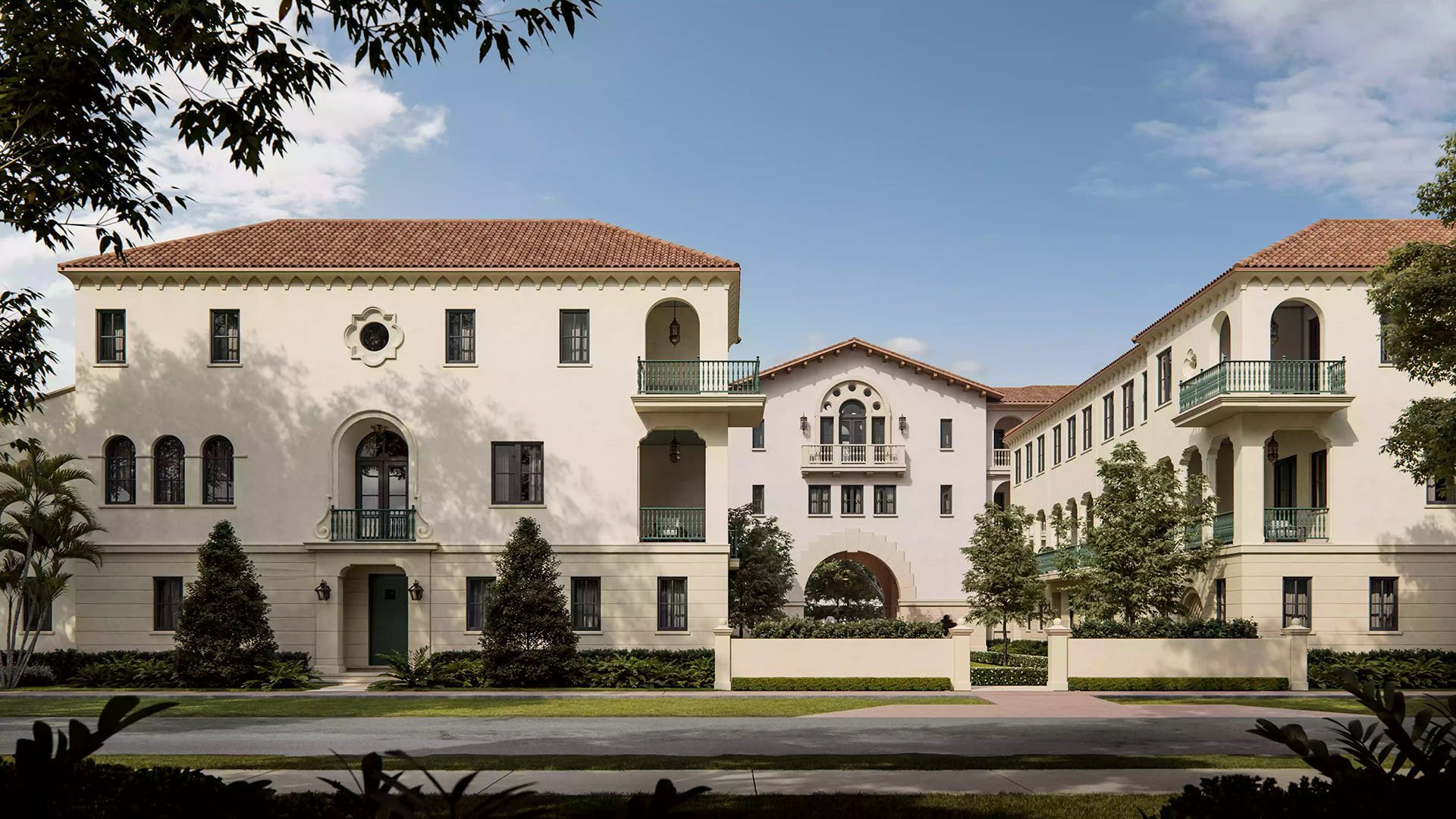
At The Village at Coral Gables, multiple home collections and optional upgrades make the distinction between buying a residence and insuring it especially important. Prices can change without notice and exclude optional features and premiums for upgraded units. The acquisition price is therefore neither a complete inventory of selected finishes nor a measure of the association’s insurance obligation.
The ownership file should answer three questions: what property the association insures, what it would cost to replace that property, and what remains the owner’s responsibility. Begin by confirming the legal ownership structure and governing documents for the specific residence. The condominium rules discussed here should not be applied simply because a home belongs to a residential development.
Treat insurance adequacy as a conclusion drawn from the actual policies, not a quality implied by the address. The central task is to reconcile building coverage, code-related rebuilding costs and the interior specification into one coherent plan.
For a unit-owner-controlled residential condominium association, Florida law requires best efforts to obtain and maintain adequate property insurance for the property assigned to its insurance responsibility. The valuation framework concerns replacement cost for insured property, not the combined resale prices of individual residences.
That distinction matters when reviewing a premium purchase. A residence’s transaction value and the cost of reconstructing association-insured property answer different questions. Neither a high purchase price nor a seemingly substantial master limit establishes that those reconstruction obligations have been properly measured.
Condominium-association replacement-value coverage must be determined at least every three years through a new or updated appraisal. Request that appraisal alongside the current declarations and full policy. Check the valuation date, the property included and how the appraised amount compares with the insured limits.
Ask whether the analysis accounts for demolition, debris removal, professional fees, permits, labor and material inflation, code upgrades and reconstruction delays. These are review questions-not assumptions that every cost is included in the appraisal or policy. Have the association’s insurance adviser explain where each exposure is addressed.
The phrase “originally installed” can be misleading without the statutory exclusions. Subject to those exclusions, association property insurance provides primary coverage for condominium property as originally installed, or like-kind-and-quality replacements consistent with the original plans and specifications. The framework also includes qualifying alterations or additions to condominium or association property made through the applicable approval process.
Specified interior items, however, fall outside that association coverage. These include floor, wall and ceiling coverings, electrical fixtures, appliances, water heaters, built-in cabinets, countertops and window treatments, as well as personal property within units. Insuring these excluded items is the owner’s responsibility.
An original developer finish is not automatically an association-insured finish. Reconcile the original specification, selected upgrades and subsequent improvements with the proposed unit policy. Approval of an alteration is not proof that every component has shifted to the master policy.
For a buyer also considering Ponce Park Coral Gables, the useful comparison is a residence-by-residence coverage inventory-not an assumption that similar finishes receive identical insurance treatment. Establish each property’s allocation independently.
Replacing damaged property and rebuilding to current code are related but distinct obligations. Ordinance-and-law coverage addresses additional rebuilding costs imposed by current codes after a covered loss. Depending on its terms, it can address undamaged portions, demolition and increased construction costs.
Request the actual endorsement and identify how each component is covered. Are there separate limits? Which exclusions apply? How would coverage respond if a covered loss required work beyond the physically damaged area? These questions are more useful than simply asking whether the policy includes code coverage.
Florida’s residential insurance statute provides that a dwelling policy within its scope is deemed to include ordinance-and-law coverage limited to 25% of the dwelling limit unless the policyholder refuses it in writing. That provision does not establish The Village association’s coverage or available limit.
Keep the master-policy review separate from the owner-policy review. Have the insurance adviser explain the code-related protection for owner-responsible interiors, including relevant limits. Do not assume a building-level endorsement addresses every interior rebuilding expense.
HO-6 condominium insurance is commonly described as “walls-in” coverage, but that shorthand is no substitute for reading its terms. The master policy generally does not replace the owner’s need to insure personal belongings, personal liability and owner-installed improvements.
Build an interior schedule from original specifications and upgrade invoices, then ask the insurer to reconcile it with the proposed improvements coverage. Confirm replacement-cost terms, limits and the treatment of excluded interior items, whether original or added later. The objective is to insure the owner’s reconstruction responsibility, not merely the amount spent on optional upgrades.
A condominium unit-owner policy is excess over amounts recoverable under another policy covering the same property. Coordination matters: overlapping descriptions should not be mistaken for two independent recoveries.
Association deductibles and uninsured damage can create common expenses borne by owners, subject to statutory exceptions and governing documents. Request the deductible schedule and an explanation of how an applicable assessment would be allocated.
Qualifying Florida condominium unit-owner residential property policies must include at least $2,000 in property-loss-assessment coverage for assessments arising from the same direct property loss. The statutory deductible for that coverage may not exceed $250 for the same loss. That minimum is not an adequacy benchmark. Confirm higher-limit options and whether particular association-deductible assessments would qualify.
Verify flood insurance separately. Florida condominium law permits associations to obtain it, but a master property policy does not, by itself, establish flood protection.
A buyer comparing Cora Merrick Park should bring these same questions to that property’s review without assuming equivalent limits, deductibles or assessment exposure.
Request current insurance declarations, the full policy and endorsements, the deductible schedule, replacement-cost appraisal, condominium declaration and amendments, loss runs, budget, reserve information and pending assessment notices. Review them alongside the proposed HO-6 policy and interior schedule.
Before relying on a coverage summary, ask the insurance adviser and legal counsel to resolve differences between insured property, owner responsibility and assessment provisions. The goal is not a promise of protection against every loss. It is a clear understanding of what is insured, what remains exposed and what ownership may require after a covered event.
For a considered approach to South Florida residential ownership, connect with MILLION.
If branded residences are on your mind — as a home or as an allocation — we would be glad to share what we are seeing, privately.
Begin a quiet conversationConfirm the specific residence’s legal ownership structure and governing documents. Then establish which property is assigned to the association’s insurance responsibility and which remains the owner’s.
No. The condominium valuation framework concerns replacement cost for insured property, rather than the combined market value of individual residences.
Replacement-value coverage must be determined at least every three years through a new or updated appraisal. Review the appraisal together with the current insured limits.
No. Specified interior items, including coverings, cabinets, countertops and appliances, remain excluded from association property coverage even when originally installed.
It addresses additional rebuilding costs imposed by current codes after a covered loss. Depending on policy terms, this can include undamaged portions, demolition and increased construction costs.
No. That provision applies to dwelling policies within its statutory scope and does not establish the association’s ordinance-and-law coverage or limit.
Reconcile original specifications and upgrade invoices with the proposed HO-6 improvements coverage. Confirm replacement-cost terms and the treatment of all owner-responsible interior items.
No. It is a statutory minimum for qualifying policies, not an adequacy benchmark; review higher limits and whether particular association-deductible assessments would be covered.
No. Verify flood insurance independently rather than inferring it from the presence of a master property policy.
Request insurance declarations, full policies and endorsements, deductibles, the replacement-cost appraisal, governing documents, loss runs, budget, reserve information and pending assessment notices. Add the proposed HO-6 policy and an interior specification schedule.