A buyer-oriented ownership file for Edgeworth West Palm Beach, distinguishing announced residential plans from the household payroll, screening, and credential policies that require written confirmation.
At Edgeworth West Palm Beach, the ownership conversation extends beyond architecture and water views. For a household employing a housekeeper, caregiver, chef, or personal assistant, the residence also needs a clear operating framework: who pays whom, who authorizes entry, and what happens when a required document expires.
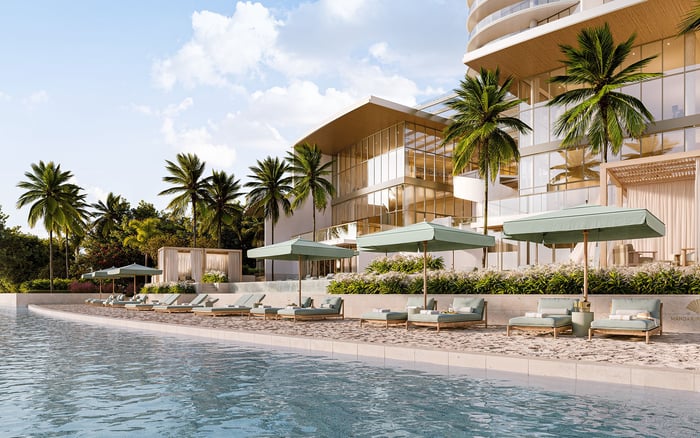
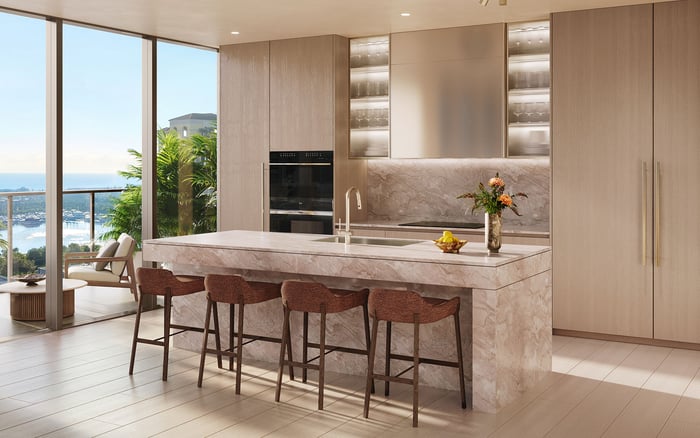
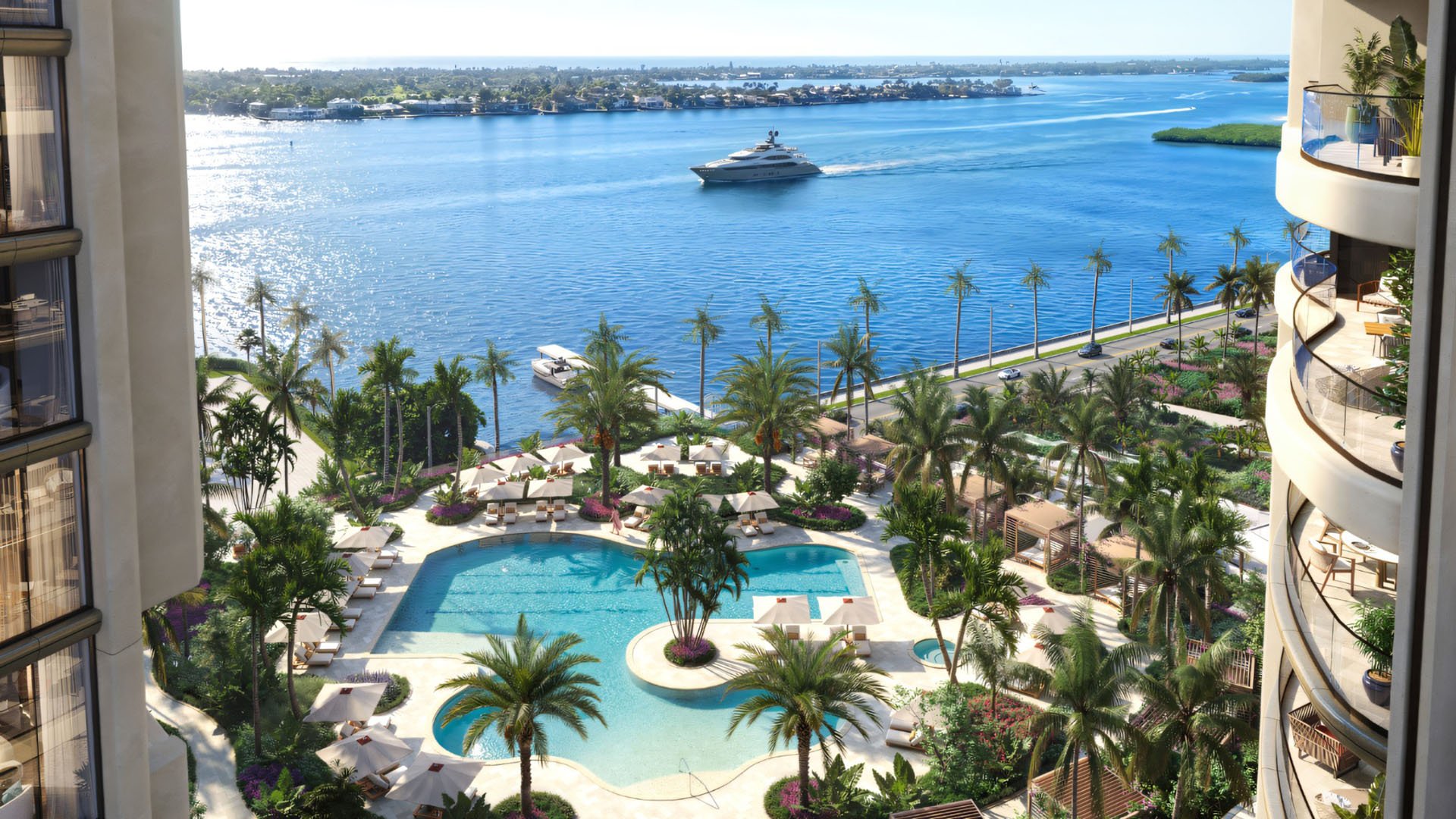
The planned waterfront condominium at 1155 South Flagler Drive, West Palm Beach, brings that distinction into focus. Related Ross is the developer, with Frisbie Group as a minority partner. Plans call for two 28-story towers by Kohn Pedersen Fox and 168 residences, including nine penthouses. Announced homes range from one to five bedrooms, each with a private elevator. Residential interiors are by MAWD | March and White Design.
Those details describe the intended residential experience. They do not establish the rules governing privately employed staff. The ownership file should distinguish the residence being purchased from the household operation being brought into it.
Edgeworth’s announced pricing ranged from approximately $2.5 million to $35.5 million. Those are launch figures, not confirmation of current availability. The target completion year is 2029, not a guaranteed delivery date.
Publicly disclosed project details do not establish a named household payroll vendor, a preferred-provider requirement, or a household-payroll policy. Nor do they establish Edgeworth-specific background-check requirements for owners, tenants, or household staff, or a credential platform with expiration alerts and access-suspension rules. That does not mean such requirements will be absent.
Buyers should request the applicable condominium documents and any available management policies, distinguishing adopted requirements from arrangements still under development. Record who supplied each answer, when, and which document governs. A verbal assurance about accommodating household staff is no substitute for a written explanation of registration and access.
The first payroll question is whether the household may appoint its own provider. Ask whether management intends to recommend vendors, require an approved provider, or leave the choice entirely to the owner. A recommendation and a mandate are materially different purchasing considerations.
Next, define the proposed provider’s scope in writing: payroll processing, tax-related services, record retention, support availability, fees, and coordination with the household’s accountant or adviser. These are selection questions, not confirmed Edgeworth services. Ask qualified advisers to resolve employment classification and tax responsibilities; do not assume building registration settles either issue.
For a buyer also considering Alba West Palm Beach, the useful comparison is not an assumed difference in payroll policy. It is whether each ownership file answers the same questions in writing.
Keep payroll authority distinct from entry permission. Ask whether payroll documentation is required for registration and, if so, why it is needed and who may receive it.
A screening conversation should begin with responsibility, not a promise of comprehensiveness. Ask who initiates any required check, who obtains the necessary authorization, who reviews the result, and who decides whether a person may enter the property. Confirm whether the owner’s hiring review and the building’s access review are separate processes.
Request written distinctions among owners, tenants, privately employed household staff, outside contractors, building employees, and racquet-club personnel. The announced development and partnerships do not establish a shared employer or a common screening arrangement across those groups.
For household hires, consider discussing the proposed screening scope with qualified employment counsel. Ask how identity verification, references, role-specific credentials, and any background screening fit together. None should be presented as an Edgeworth requirement without confirmation.
Privacy belongs in the same discussion. Determine whether management needs underlying documents or simply confirmation that a requirement has been satisfied. Ask who can view sensitive information, how long it is retained, and how corrections are handled. A discreet operating model should avoid unnecessary circulation of personal records.
An ownership file should explain more than which documents are collected at onboarding. Where insurance, licenses, or other credentials are required, request the full sequence from initial approval through renewal, expiration, and reinstatement.
A practical inquiry should cover:
Which credentials apply to each role or type of work, including any insurance thresholds.
Who verifies submissions and records expiration dates.
Who receives renewal notices and handles unanswered requests.
Whether expiration affects scheduled visits or ongoing access.
Who may authorize exceptions and approve reinstatement after renewal.
These are proposed diligence controls, not published Edgeworth procedures. The disclosed details establish no particular platform, notice interval, automated suspension mechanism, or insurance threshold.
Until building procedures are confirmed, an owner could maintain a separate renewal calendar for household requirements, with a primary contact and a backup. Treat that calendar as an internal safeguard, not evidence of building approval.
The same questions can guide a comparison with Forté on Flagler West Palm Beach, without presuming that its access or renewal rules match Edgeworth’s.
Edgeworth plans approximately 90,000 square feet of amenities, with an emphasis on wellness and resort-style programming. A planned residents-only racquet club will operate in partnership with Set Point Tennis. Programming will include private instruction, clinics, arranged matches, tournaments, and junior development, alongside a pro shop.
That partnership does not establish who employs every person working at the property or who screens privately retained household staff. Nor does it establish whether an owner’s outside instructor may enter or use club facilities.
Ask separately about household-staff access, contractor access, and club-related permissions. Buyers weighing Mr. C Residences West Palm Beach alongside Edgeworth should likewise distinguish the promised lifestyle from the written permissions governing their own personnel.
Organize the ownership file around a responsibility matrix: the household, its advisers, each outside provider, and the relevant building contact. For every requirement, identify the responsible party, supporting document, renewal trigger, and escalation contact. Mark unresolved questions clearly; do not treat silence as permission.
Keep the operational file alongside confirmation of association dues, coverage, club memberships, and potential special assessments. Developer and partner names alone do not establish the legal titleholding entity, ownership percentages, or future property manager.
Before occupancy, request an updated written set of procedures. The objective is an orderly household arrival, with responsibilities understood before the first staff member or contractor reaches the entrance. At this level of ownership, clarity is part of comfort.
For a discreet perspective on West Palm Beach ownership and residential selection, connect with MILLION.
If branded residences are on your mind — as a home or as an allocation — we would be glad to share what we are seeing, privately.
Begin a quiet conversationEdgeworth is planned at 1155 South Flagler Drive, West Palm Beach, FL 33401, as an ultra-luxury waterfront condominium.
Related Ross is the developer, and Frisbie Group is a minority partner. Those roles do not establish the legal titleholding entity or future property manager.
The announced plans specify 168 residences, including nine penthouses, across two planned 28-story towers.
Launch pricing ranged from approximately $2.5 million to $35.5 million, and 2029 is the target completion year. Neither establishes current availability or a guaranteed delivery date.
Publicly disclosed details do not establish a named vendor or preferred-provider requirement. Buyers should request written confirmation of whether provider selection is restricted.
Publicly disclosed details do not establish Edgeworth-specific screening requirements for household staff. That does not mean screening will be absent, so responsibility and scope should be confirmed in writing.
No credential platform or expiration-alert process is established by the disclosed details. Buyers should ask who tracks renewals, receives notices, and follows up.
An Edgeworth access-suspension rule for expired credentials has not been publicly established. Request the applicable expiration, exception, and reinstatement procedures.
The planned racquet-club partnership does not establish screening or employment arrangements for privately employed household staff. Club personnel and household hires should be addressed separately.
Include applicable condominium documents and written policies covering payroll-provider selection, screening responsibility, staff registration, credential renewals, and access. Identify responsible contacts and keep unresolved questions explicit.