A practical framework for evaluating structural inspections, reserve obligations, assessments, and repair execution before purchasing a Hallandale Beach condominium in 2026.
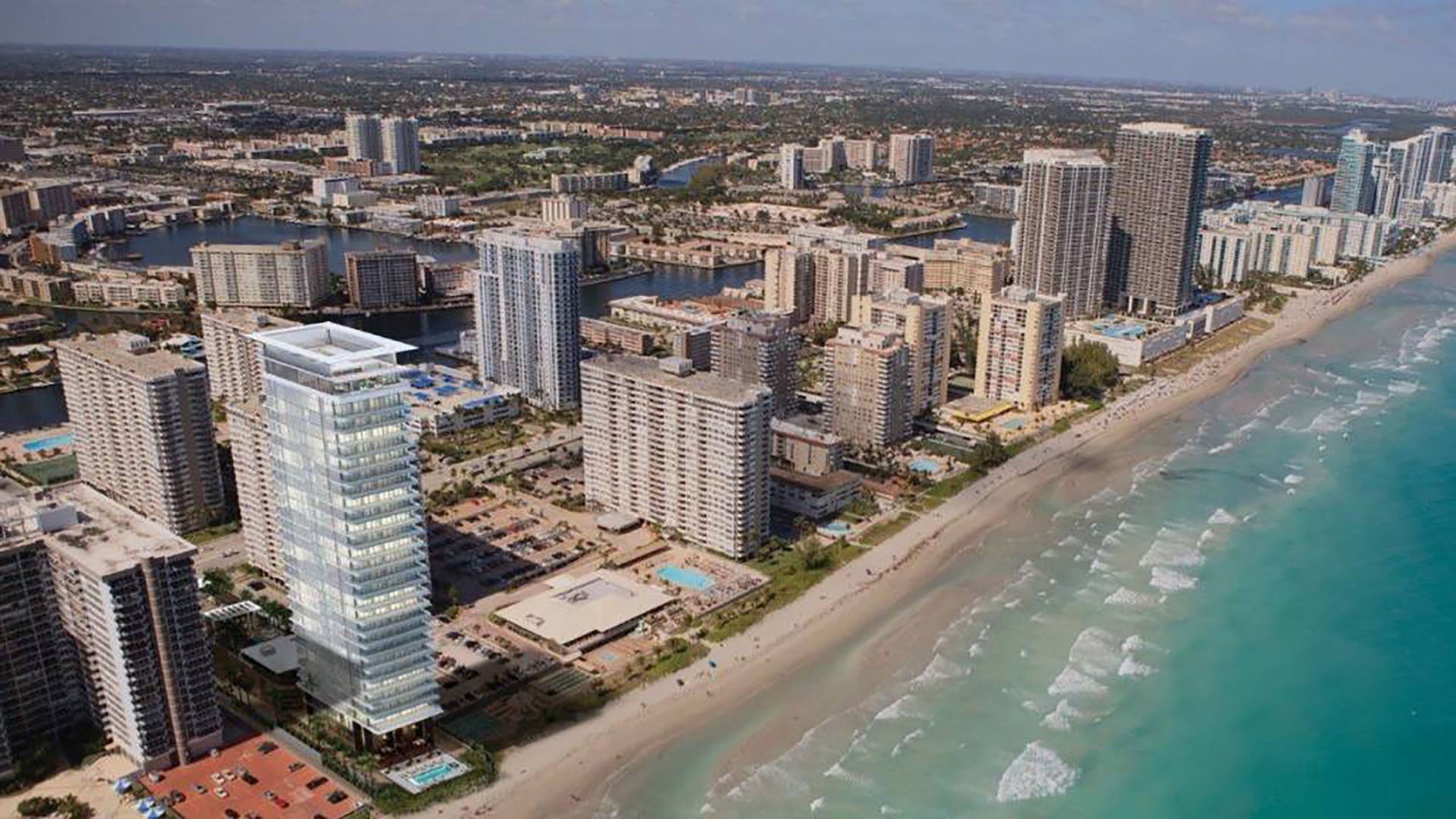
For a Hallandale Beach condominium buyer, architectural appeal and water views are only the beginning of valuation. The more consequential questions lie within the association records: What has been inspected? What must be repaired? How much cash is reserved? Which obligations may ultimately fall to unit owners?
This scrutiny is particularly important in a market that spans established towers, newer residences such as 2000 Ocean Hallandale Beach, and country-club-oriented offerings such as Shell Bay by Auberge Hallandale. Every acquisition warrants the same disciplined review, but the relevant documents, deadlines, and financial exposure vary by building.
Within MILLION's Buyer's Guides, this framework treats compliance, funding, and repair execution as three distinct inquiries. It is intended for both resale purchasers and buyers evaluating an investment in Broward-not as a substitute for legal, engineering, or accounting advice.
A Structural Integrity Reserve Study, commonly called SIRS, estimates the reserves required for the future major repair or replacement of covered structural components. Florida requires it for residential condominium associations with buildings of at least three habitable stories. Applicability depends on height-not building age, construction type, or coastal proximity-and a qualifying building must generally undergo a SIRS at least once every 10 years after the condominium is created.
Covered categories include the roof, load-bearing structure, fire protection, plumbing, electrical systems, waterproofing, windows and doors, and certain costly related items. The study is therefore a capital-planning instrument.
A milestone inspection answers a different question: It evaluates structural condition. The statewide baseline is 30 years of age, although the local enforcement authority may require an inspection at 25 years because of coastal and environmental conditions. Buyers should not assume that every coastal tower is subject to the earlier trigger. After the initial inspection, subsequent milestone inspections generally recur every 10 years.
Unit-owner-controlled associations existing on or before July 1, 2022, generally faced an initial SIRS deadline of December 31, 2025. One relevant exception applies to an association required to complete a milestone inspection by December 31, 2026: It may conduct its SIRS with that inspection by the same deadline.
A milestone inspection generally must be completed within 180 days after the association receives written notice from the local enforcement agency. Buyers should therefore request not only the final report, but also every notice establishing the applicable timetable.
Hallandale Beach maintains a building-safety program and property list that can help identify buildings within the local process. Inspection requests may be submitted through the city's self-service portal or the Building Division at 954-457-2220, Option 1. Permit, inspection, and building questions may also be directed to 954-457-3065.
Begin with the building's age and habitable-story count. Then obtain the current SIRS, milestone-inspection reports, municipal notices, engineering correspondence, repair contracts, permits, adopted budget, recent financial statements, reserve schedules, meeting minutes, insurance information, pending-assessment disclosures, and evidence that completed work was closed out.
Next, compare the association documents with the state filing status and Hallandale Beach inspection records. Seller representations are useful, but they should never be the sole basis for concluding that a filing exists, a deadline was met, or a repair is complete.
This disciplined record review also sharpens comparisons among nearby luxury options. A purchaser considering Hallandale alongside Auberge Beach Residences & Spa Fort Lauderdale should apply the same sequence to each candidate rather than assume that similar locations create similar obligations.
A completed SIRS does not prove that its recommended contributions are already funded. Florida's mandatory-funding framework restricts associations from waiving or reducing reserves required for SIRS-governed structural components. For an association that has historically maintained insufficient reserves, the transition may require higher regular assessments, special assessments, or financing.
The essential reconciliation has four parts. First, identify the cash already accumulated and confirm whether it is restricted to specific components. Second, compare the SIRS funding schedule with the adopted budget. Third, identify future contributions that depend on increased dues, special assessments, or borrowing. Fourth, determine whether repair costs have changed since the study was prepared.
Meeting minutes can reveal discussions about loans, bids, phasing, collections, or assessment timing. Financial statements can show whether an approved assessment has actually been collected. Repair records can establish whether work is merely recommended, contracted, permitted, underway, completed, or formally closed.
For a luxury buyer, the objective is not simply to avoid an assessment. It is to understand the building's capital trajectory and account for it in pricing, liquidity planning, and long-term ownership expectations.
Before contract, confirm the building's age, story count, SIRS status, milestone status, reserve balance, adopted funding schedule, pending assessments, financing commitments, and repair-completion status. Ask counsel to align document-review rights, deadlines, representations, and termination provisions with any unresolved issues.
During the review period, update the file if a new municipal notice, board meeting, assessment vote, engineering recommendation, or material repair development arises. Immediately before closing, confirm whether any new obligation has emerged and how the contract allocates responsibility.
The essential discipline is straightforward: Inspection status describes condition; reserve planning estimates future funding; and the association's financial and construction records reveal whether the plan is becoming reality.
What does SIRS stand for? It stands for Structural Integrity Reserve Study, a capital-planning study for covered structural components.
Which condominium buildings generally require a SIRS? Florida generally requires SIRS for residential condominium buildings with at least three habitable stories.
Is SIRS triggered by a building's age? No. SIRS applicability is based on building height rather than age, construction type, or coastal proximity.
How often is a qualifying building studied? A qualifying building must generally complete a SIRS at least once every 10 years after creation.
Is a milestone inspection the same as SIRS? No. A milestone inspection evaluates structural condition, while SIRS estimates reserves for covered components.
Does every coastal building face a 25-year milestone inspection? No. Confirm the applicable deadline and any written notice with Hallandale Beach's enforcement authority.
Does a completed SIRS prove reserves are fully funded? No. Buyers must distinguish accumulated cash from future funding through dues, assessments, or borrowing.
What records should reveal pending repair exposure? Review engineering correspondence, permits, contracts, budgets, financial statements, minutes, assessments, and closeout evidence.
Where should a buyer verify compliance? Compare the state filing status with city inspection records and the association's complete document set.
What should be reconfirmed before closing? Recheck new notices, assessment votes, repair developments, financing decisions, and contractual responsibility for resulting costs.
For a confidential assessment and a building-by-building shortlist, connect with MILLION.
If branded residences are on your mind — as a home or as an allocation — we would be glad to share what we are seeing, privately.
Begin a quiet conversation