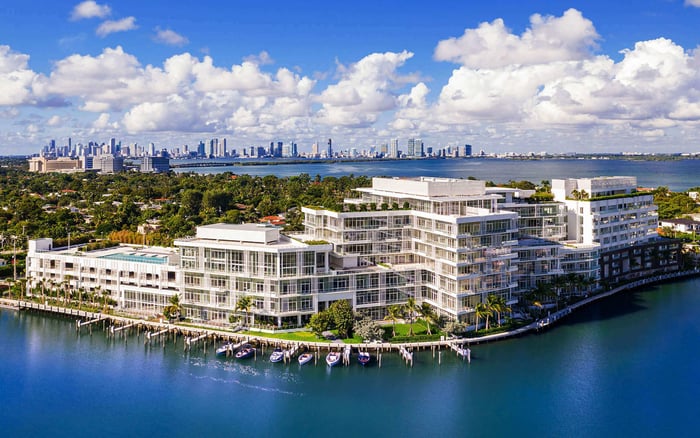
A Monaco-to-Miami Beach relocation calls for more than a property acquisition. Coordinate deed vesting, Florida homestead restrictions, trust succession, insurance authority and beneficiary designations before closing.
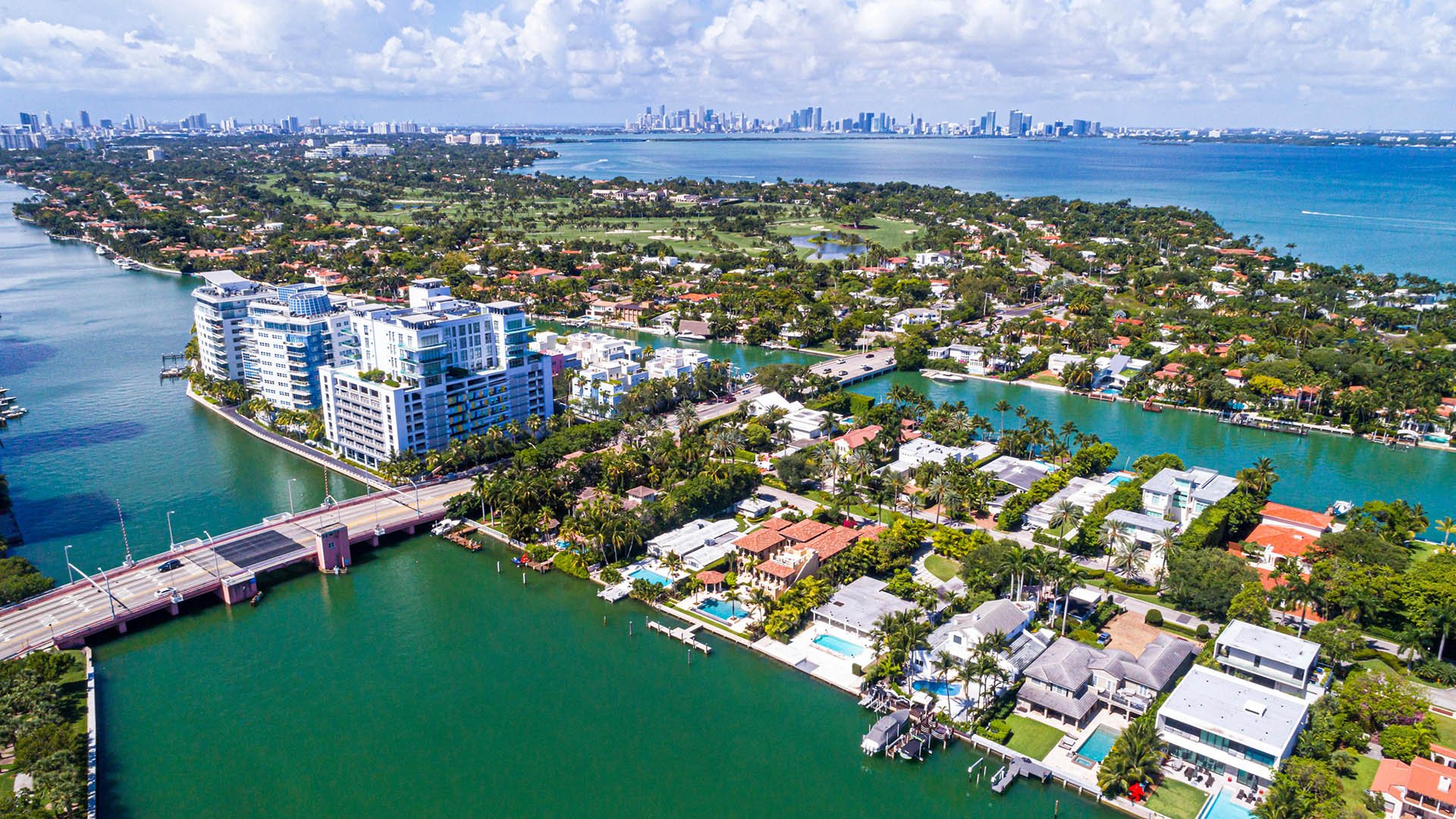
For a family office moving from Monaco to Miami Beach, the residence is the visible part of a larger transition. The more consequential work is less photogenic: deciding who holds title, who can act for the owner, how the home should pass at death and whether the insurance arrangements reflect those decisions.
A disciplined acquisition brings these questions into one conversation before closing. Whether the search includes The Perigon Miami Beach or another residence, the family’s intended use and succession priorities should guide counsel’s ownership review. A preferred address does not determine an appropriate legal structure.
The objective is alignment, not paperwork for its own sake. A deed, trust and beneficiary designation can each express an intention without producing a consistent outcome. The family office should ask advisers to reconcile them, not approve them in isolation.
Relocation does not remove Monaco-situated property from estate planning. Monaco inheritance or transfer tax applies to property situated there regardless of the deceased’s domicile, residence or nationality. The inheritance-tax rate for transfers between parents and children or spouses is 0%, while other beneficiaries face higher rates.
That distinction matters when a family retains property in Monaco while establishing a home in Florida. Advisers should review the retained assets and intended beneficiaries separately from the Miami Beach acquisition, then reconcile the two plans. The Monaco rate says nothing about the treatment of a Florida residence.
Residence assumptions also deserve review. Monaco’s absence of personal income tax applies to people genuinely established in the Principality; a residence card alone should not be treated as sufficient after relocation. Qualified advisers should reassess the family’s circumstances rather than carry earlier assumptions into a new chapter.
Florida homestead requires three distinct conversations: tax exemption, creditor protection and inheritance restrictions. Eligibility or a waiver in one area does not automatically settle the others. Treating “homestead” as a single benefit can obscure the very issue the family is trying to resolve.
On inheritance, Florida homestead generally cannot be devised if the owner is survived by a spouse or minor child, subject to the statutory exception for a spouse. If there is no surviving minor child, the owner may devise the homestead to the surviving spouse. These restrictions should be considered before approving succession language that directs the residence elsewhere.
For a family considering Five Park Miami Beach, the starting point is not a presumption that the home will qualify as homestead. It is a clear account of intended occupancy, family circumstances and desired inheritance, followed by a legal assessment. The family office should provide those facts while ownership options are still under consideration.
Placing homestead in a testamentary or revocable trust does not override Florida’s constitutional restrictions. A prohibited disposition passes under statutory homestead rules. Trust ownership should therefore not be presented as a complete inheritance solution.
Before closing, ask counsel to compare the proposed deed vesting with the trust’s succession provisions. Identify the proposed titleholder, the intended recipient at death and the person expected to administer the property. Then confirm whether those intentions remain workable under the applicable homestead rules.
A principal residence held by a Florida land-trust trustee may qualify for the homestead tax exemption when the beneficiary satisfies statutory requirements. That possibility concerns the tax exemption; it does not establish the treatment of inheritance or creditor protection.
Florida also provides deed language through which a spouse may waive homestead rights that would otherwise prevent the other spouse from devising the property to someone else. Its scope is limited. That deed waiver does not itself waive homestead creditor protections or constitutional restrictions on lifetime sale, mortgage, gift or transfer. Counsel should explain what a proposed waiver accomplishes and what remains unaffected.
Insurance should follow the ownership discussion, not sit outside it. The Florida Trust Code authorizes trustees to insure trust property against damage or loss. Trustee powers also include insuring trustees, their agents and beneficiaries against liability arising from trust administration.
These powers establish authority, not the scope of a particular policy. The family office should ask its insurance adviser to review the proposed ownership arrangement alongside the coverage documents and clarify how the relevant parties are addressed.
When evaluating Setai Residences Miami Beach, for example, undertake a property-specific review rather than rely on assumptions based on the residence’s name. Keep trustee authority, policy terms and responsibility for maintaining coverage in the same closing discussion.
Flood-risk disclosure also belongs early in diligence. Florida residential sellers must provide the prescribed disclosure at or before execution of the sales contract. Treat it as a pre-contract review item, not a document to discover after purchase terms have been settled. Confirm the applicable statutory version for the transaction.
A family may initially describe the acquisition as a seasonal retreat, then reconsider its role as relocation progresses. The planning response is to revisit intended use with advisers, not assume that the original ownership analysis remains appropriate indefinitely.
For a residence under consideration at The Ritz-Carlton Residences® Miami Beach, the family office can maintain one coordinated file containing the proposed deed, relevant trust provisions, intended succession outcome and insurance documents. Review any proposed spousal waiver within that file, with its limited purpose clearly recorded.
Life insurance requires a separate beneficiary review. Florida law generally directs proceeds to the beneficiary designated in the policy. The family should compare policy designations with its broader succession intentions rather than assume that revising a will or trust has resolved the policy question.
Begin by recording the residence’s intended use and the family’s desired succession outcome. Next, have Florida counsel assess homestead implications and compare deed vesting with the trust provisions. Review any proposed waiver for its actual scope. Bring the insurance adviser into that discussion, and obtain the flood-risk disclosure at the required contract stage.
Finally, reconcile the Florida decisions with retained Monaco assets and review life-insurance beneficiaries separately. Ask advisers to confirm the applicable statutory text before relying on it for a transaction. This is a planning framework, not individualized legal or tax advice.
The discreet advantage is clarity: a residence chosen for the family’s life, supported by documents reviewed for the family’s intentions.
For a considered approach to your Miami Beach property search, explore MILLION.
If branded residences are on your mind — as a home or as an allocation — we would be glad to share what we are seeing, privately.
Begin a quiet conversationNo. Monaco inheritance or transfer tax applies to Monaco-situated property regardless of the deceased’s domicile, residence or nationality.
Monaco lists a 0% rate for transfers between parents and children or spouses. Higher rates apply to other beneficiaries.
A residence card alone should not be treated as sufficient after relocation. Monaco’s absence of personal income tax applies to people genuinely established in the Principality.
Homestead inheritance restrictions can affect the intended succession outcome. They should be evaluated alongside the proposed deed and trust provisions before ownership is finalized.
If there is no surviving minor child, Florida law permits the owner to devise homestead to the surviving spouse.
No. A prohibited disposition through a testamentary or revocable trust passes under statutory homestead rules.
It may qualify when the beneficiary satisfies the statutory requirements. That does not automatically resolve creditor-protection or inheritance questions.
No. The specified waiver does not itself waive homestead creditor protections or constitutional restrictions on lifetime sale, mortgage, gift or transfer.
The prescribed disclosure must be provided at or before execution of the residential sales contract. Confirm the applicable statutory version for the transaction.
Florida law generally directs life-insurance proceeds to the beneficiary designated in the policy. Compare that designation with the family’s broader succession intentions.