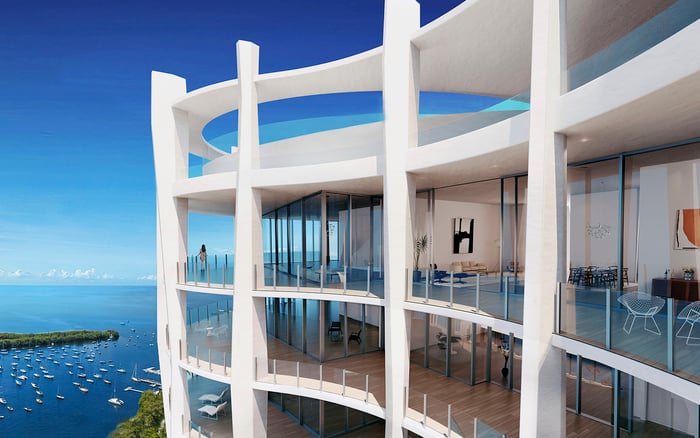
A discreet buyer’s guide for estate owners considering Coconut Grove, with emphasis on privacy, right-sizing, service, storage, guests, pets, and long-term livability.
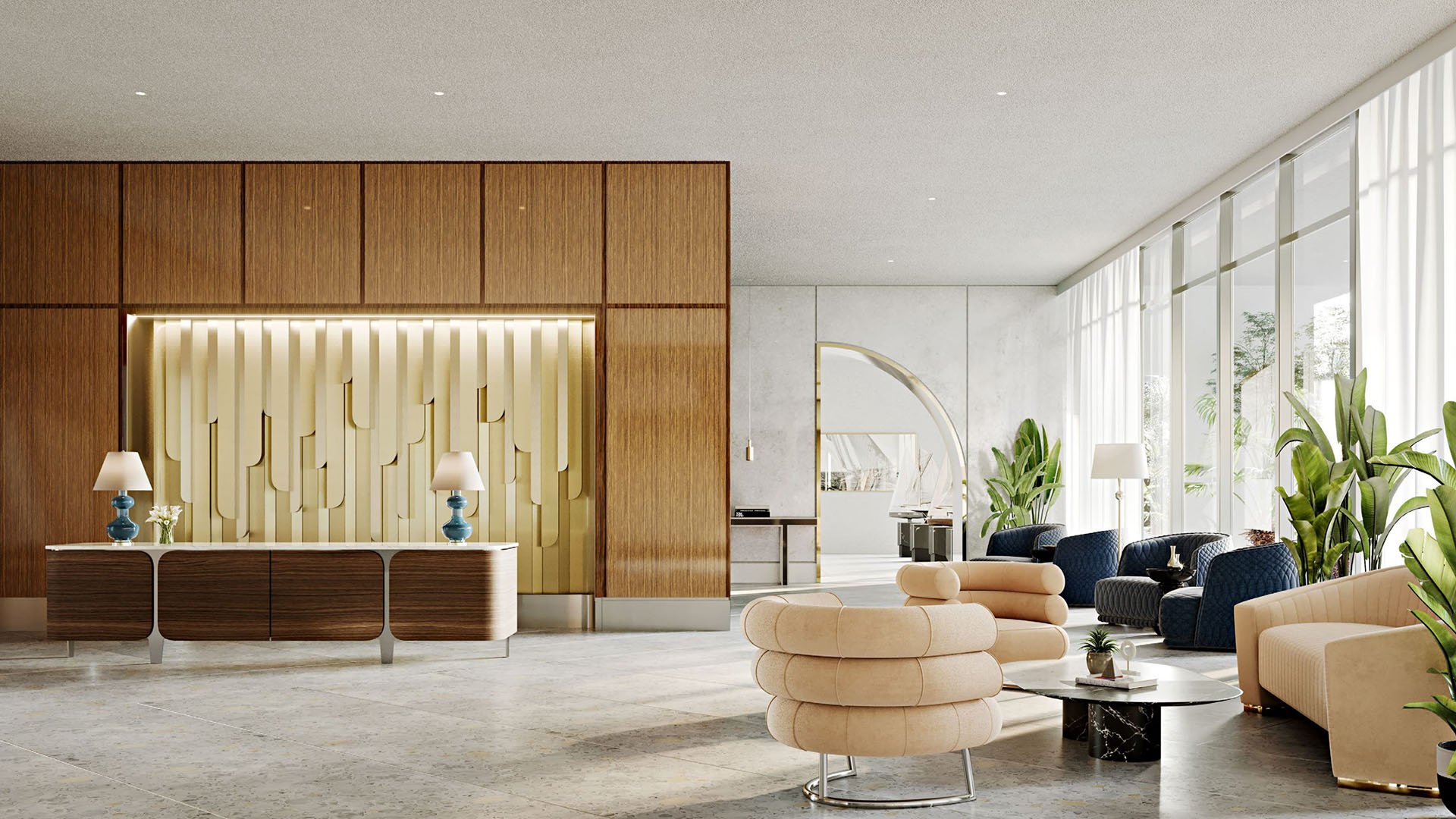
Leaving a large estate is rarely about wanting less life. More often, it is about wanting a more refined version of it. The Coconut Grove buyer entering this chapter is not simply comparing square footage. The essential question is whether a residence can preserve privacy, support family rhythm, simplify ownership, and still feel worthy of a household accustomed to scale.
For Estates & Single-Family owners, the transition can be as psychological as it is practical. A gated drive, separate staff circulation, deep storage, covered arrivals, gardens, and multiple informal rooms can quietly define how a family operates. When those elements disappear, the wrong residence can feel elegant but thin. The right one creates ease without making the owner feel compressed.
Coconut Grove is especially relevant to this conversation because many buyers are not seeking a purely urban tower experience. They want greenery, discretion, walkable pockets, access to services, and a residential mood that still feels personal. This is where Buyer's Guides become useful: the best purchase is not the most impressive on paper, but the one that protects the daily rituals that made the former estate work.
Estate owners often begin by asking how much interior space they need. A better first question is how privacy is created. In a large house, privacy may come from acreage, setbacks, gates, staff areas, separate wings, or simply distance between rooms. In a condominium or boutique residence, privacy must be designed differently.
Look closely at the arrival sequence. Can residents enter without unnecessary exposure? Is there a calm place to receive guests, drivers, deliveries, and household support? Does the residence separate public entertaining from family quarters? Are bedrooms buffered from the social rooms? These issues matter more than a dramatic first impression.
Buyers comparing Four Seasons Residences Coconut Grove with other Grove options should frame the discussion around service expectations as much as design. A former estate owner may be comfortable with household staff, but may also welcome professional building services that reduce the operational burden of private ownership.
A buyer leaving gardens, pool terraces, lawns, or courtyards should be careful not to treat outdoor space as a decorative bonus. It may be central to how the household lives. Morning coffee, pets, children, quiet dinners, weekend guests, and private exercise often depend on outdoor zones that feel usable rather than ornamental.
Waterfront priorities should be separated from general view priorities. A view can be beautiful while the outdoor area remains too exposed, too shallow, or too formal for daily use. The more accustomed a buyer is to an estate, the more important it becomes to test whether terraces, balconies, and shared outdoor spaces can support ordinary routines.
In Coconut Grove, residences such as Park Grove Coconut Grove can enter the conversation for buyers who want the Grove address and a more residence-forward lifestyle. The key is not to assume that a known name solves the fit. Walk the residence mentally from breakfast to evening, and from private family time to formal entertaining.
The strongest right-size purchase removes friction. It should not create a lifestyle that requires the owner to relearn convenience. Estate owners are used to control: when cars arrive, where packages go, how guests are handled, how vendors enter, and how the home is maintained. A residence that cannot answer these questions clearly may create daily irritations that become visible only after closing.
Ask about the practical choreography of ownership. Where does luggage go after travel? How are art handlers, florists, caterers, pet care, and maintenance providers managed? Is storage sufficient for seasonal wardrobes, sports equipment, archives, tableware, and entertaining inventory? If the buyer keeps another residence, how easily can the home be secured and reopened?
Boutique buildings can be appealing because they may feel more personal and less anonymous, but Boutique does not automatically mean better. The buyer should evaluate whether the scale supports discretion, responsiveness, and calm. A smaller environment can be ideal when it has the right operational culture, and limiting when it does not.
The most successful moves preserve a few estate-like qualities with discipline. These might include a generous primary suite, a proper dining room, a family den, serviceable kitchen flow, staff or guest flexibility, a private office, or enough wall space for art. The mistake is trying to replace every room from the prior home. That usually leads to compromise.
Instead, identify the rooms that carry emotional and functional weight. A buyer who hosts long dinners may need a true dining setting more than an oversized media room. A buyer with adult children may value guest separation over a larger primary closet. A buyer with pets may prioritize elevator access, outdoor practicality, and washable finishes over theatrical design.
This is where The Well Coconut Grove may be compared with other options through the lens of wellness, privacy, and daily routine rather than architecture alone. New-construction buyers should be especially precise about customization windows, finish expectations, and the difference between staged lifestyle imagery and how the residence will actually function.
A large estate often supports multiple households under one roof: owners, visiting children, grandchildren, extended family, staff, friends, and long-stay guests. When moving into a residence, bedroom count matters, but circulation matters more. Can guests stay without overtaking the owner’s private life? Can a home office remain quiet? Is there a place for a caregiver, assistant, or visiting family member without awkward overlap?
For some buyers, a residence like Arbor Coconut Grove may be part of the search because it allows the conversation to stay within the Grove while considering a different style of living. The question should always return to household rhythm. If a property looks perfect but forces daily life into a hotel-like pattern, it may not serve an estate owner well.
A major reason to leave a large estate is to reduce complexity. Roofs, grounds, pools, systems, staffing, security, storms, and travel coverage can begin to feel like a second business. The right Coconut Grove residence should reduce those concerns without erasing the feeling of home.
That requires discipline during selection. Do not overbuy space simply to avoid an emotional transition. Do not underbuy storage because the interiors look serene when empty. Do not ignore parking, elevator access, acoustic privacy, service protocols, pet needs, and guest management. These details will determine whether the move feels liberating or limiting.
For buyers who want a Grove-related lifestyle with a more private residential feel, Vita at Grove Isle can be considered alongside Coconut Grove alternatives. The comparison should be guided by how the owner wants to live five days a week, not how the property photographs on the best afternoon of the year.
Before committing, walk through the residence as if the household has already arrived. Imagine a rainy evening with guests, a long trip return with luggage, a holiday dinner, a pet emergency, a quiet workday, and a family weekend. If the residence handles those scenarios gracefully, it may be a serious candidate.
The best buyers also edit their belongings before they shop. Art, books, wardrobes, wine, documents, heirlooms, and outdoor equipment should be measured honestly. A residence can feel spacious until the real life of an estate arrives inside it.
Above all, protect the qualities that cannot be added later: privacy, orientation, flow, light, arrival, service logic, and the surrounding mood. Finishes can be changed. Furnishings can be refined. But the way a residence receives its owner every day is fundamental.
Is leaving a large estate for Coconut Grove mainly about downsizing? Not necessarily. For many buyers, it is about reducing maintenance while preserving privacy, comfort, and a residential sense of identity.
What should estate owners evaluate first? Start with privacy, arrival sequence, storage, service access, and how the residence supports daily routines.
Are larger residences always better for former estate owners? No. A better-planned residence with strong flow can live more comfortably than a larger home with awkward circulation.
How important is outdoor space? Very important if the prior estate lifestyle included gardens, terraces, pets, or frequent outdoor entertaining.
Should buyers prioritize new development or resale? The better choice depends on timing, customization needs, tolerance for renovation, and the desire for modern building systems.
What is the biggest mistake estate owners make? Many focus on headline square footage while overlooking storage, service logistics, acoustic privacy, and guest flow.
Can a condominium still feel private? Yes, if the building scale, elevator experience, residence layout, and staff culture support discretion.
How should buyers think about guests? Consider how often guests stay, how long they remain, and whether their rooms interfere with the owner’s private areas.
Are pets a major part of the decision? They can be. Elevator access, outdoor routines, durable finishes, and building policies should be reviewed early.
What makes the right Coconut Grove residence feel successful? It should reduce management while preserving the grace, privacy, and ease the owner valued in a larger estate.
For a confidential assessment and a building-by-building shortlist, connect with MILLION.
If branded residences are on your mind — as a home or as an allocation — we would be glad to share what we are seeing, privately.
Begin a quiet conversation