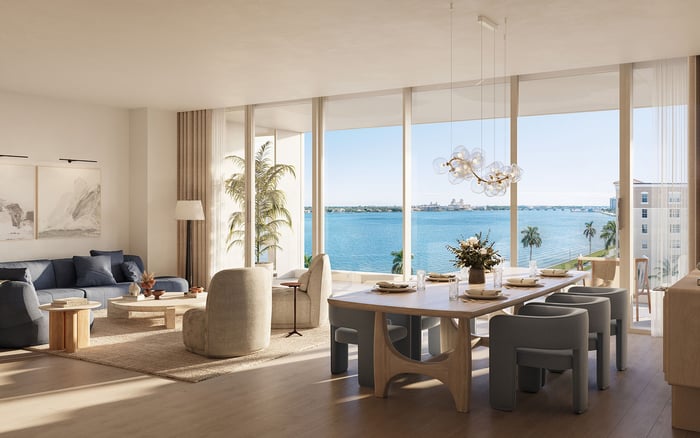
A buyer-focused comparison framework for evaluating Alba West Palm Beach and Forté on Flagler West Palm Beach through service, privacy, governing documents, recurring obligations, and long-term usability.
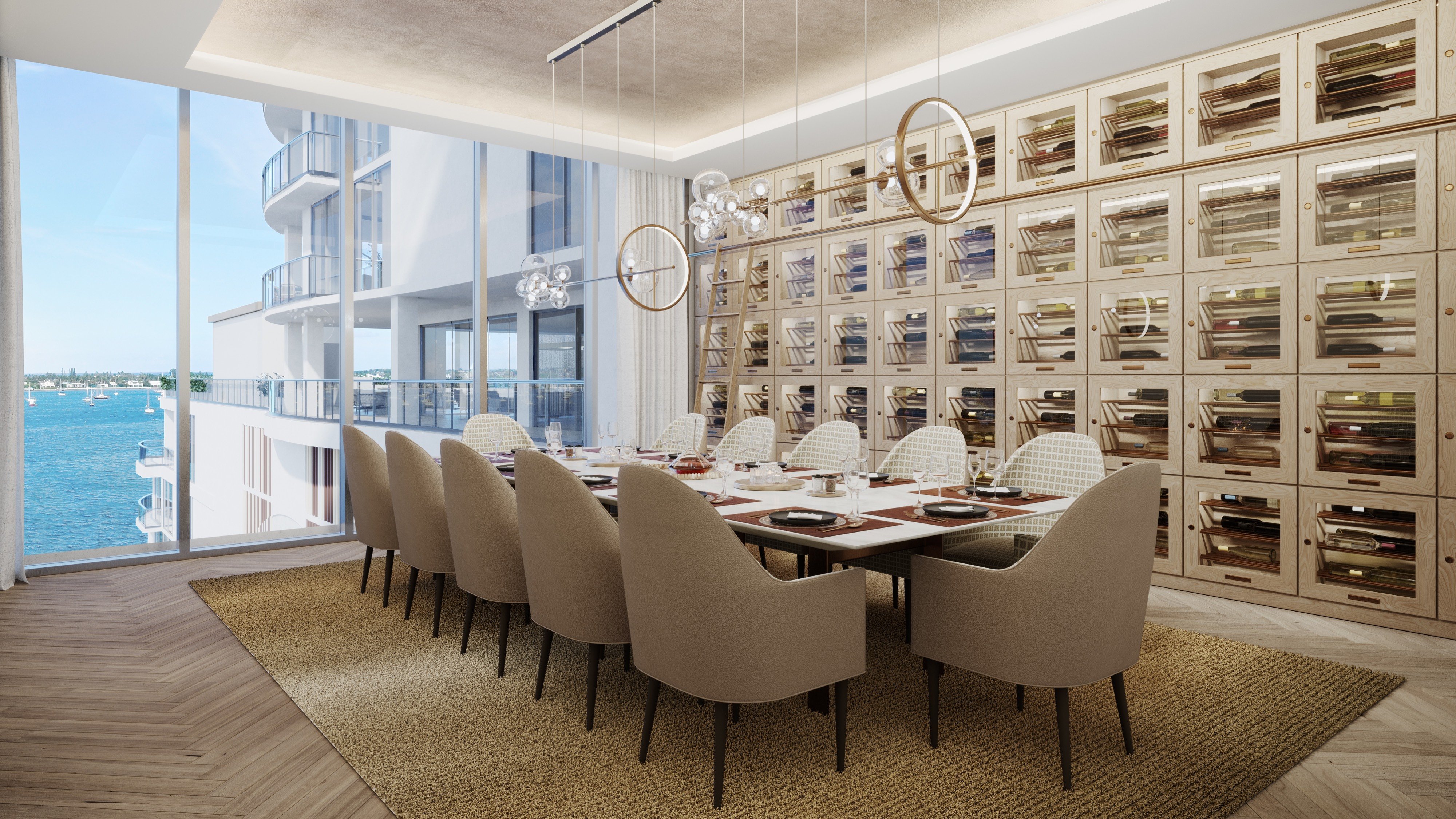
The most useful comparison between Alba West Palm Beach and Forté on Flagler West Palm Beach starts with daily ownership rather than promotional language. Buyers should examine how each residence, building team, access system, shared area, and operating structure would support their routines.
Turn broad preferences into practical questions. Consider how arrivals are handled, how guests and vendors enter, how deliveries reach the residence, and what happens when an owner is away. Written purchase materials and governing documents should support any conclusion about a building’s services or obligations.
A service description is only a starting point. Ask who performs each function, when it is available, whether it is included in regular assessments, and whether reservations or additional charges apply. The answers can reveal more than a long list of staff titles or amenities.
Buyers should also test ordinary scenarios: receiving a package, authorizing a guest, coordinating maintenance, retrieving a vehicle, or requesting help outside standard hours. For a seasonal owner, procedures for access, deliveries, and reopening a residence after an absence may be especially important.
Compare written policies with the experience of an in-person visit. Consistency among the sales presentation, governing documents, budget, and observed operations can help distinguish a durable service model from a loosely defined promise.
Privacy depends on the full path from the property entrance to the residence. Review entry controls, elevator procedures, guest authorization, delivery routes, service circulation, staff visibility, and the relationship between private and shared spaces.
Visit at a time when the building or sales environment is active. Observe whether residents, visitors, staff, and vendors follow separate or overlapping routes. Listen for sound transfer in corridors and shared areas, and ask how access credentials are issued, monitored, and replaced.
Residence-level privacy also deserves attention. Buyers can evaluate sightlines, the position of doors and elevators, terrace relationships, and exposure to neighboring or common areas without assuming that every home in a project has the same conditions.
Amenities should be assessed for usefulness, governance, and operating impact. Ask how spaces are reserved, who may use them, what conduct rules apply, and whether private events create added fees or access limits. A space that suits one owner’s routine may have little relevance to another’s.
Maintenance requirements matter as much as visual appeal. The budget, reserve approach, insurance structure, and vendor contracts can help buyers understand how shared facilities affect recurring obligations and future planning.
A wider West Palm Beach comparison may include The Ritz-Carlton Residences® West Palm Beach and South Flagler House West Palm Beach. These projects should not be presumed equivalent; they can serve as additional reference points when buyers compare service concepts, privacy, documents, and personal fit.
Before committing, review the applicable declaration, bylaws, rules, budget, reserve information, insurance materials, service contracts, disclosures, and purchase agreement. Confirm the treatment of assessments, parking, storage, pets, leasing, guests, alterations, and any other matter important to the intended use of the residence.
Promotional descriptions should not replace written terms. Any membership, access arrangement, service benefit, incentive, or assigned right that influences the purchase decision should be identified in the controlling documents, including its duration, cost, transferability, and conditions.
Buyers should also clarify the process for inspections, closing, warranties, incomplete work, and post-closing requests when those matters apply to the transaction. Questions and answers are most useful when documented clearly and reviewed with the buyer’s own legal, financial, insurance, and inspection advisers.
A primary resident, seasonal owner, frequent traveler, and regular host may evaluate the same building differently. Create a short list of recurring activities, then assess how each property’s documented procedures and physical circulation support them.
The final comparison should bring together service expectations, privacy preferences, recurring obligations, rules, and the practical experience of moving through the property. The stronger choice is the one whose documented ownership structure best fits the buyer’s actual plans.
What is the best starting point for comparing Alba and Forté? Begin with intended use, then compare each project’s current documents, operating procedures, costs, and physical circulation.
How should buyers evaluate service? Ask who provides each service, when it is available, what it includes, and whether separate fees or reservations apply.
What should a privacy review cover? Examine arrivals, access controls, elevators, guest procedures, deliveries, service routes, sightlines, and acoustics.
Why is an in-person visit important? A visit allows buyers to observe circulation, staff interactions, shared-space activity, and other conditions that documents may not convey fully.
Which documents deserve close review? Review the purchase agreement, declaration, bylaws, rules, budget, reserve information, insurance materials, contracts, and applicable disclosures.
How should amenities be compared? Focus on expected use, reservation rules, guest access, operating costs, maintenance demands, and any additional charges.
What recurring obligations should buyers examine? Confirm regular assessments and any separately billed services, usage charges, insurance obligations, or other costs stated in the transaction documents.
What matters most for a seasonal owner? Procedures for access, guests, deliveries, maintenance coordination, and periods of absence may be especially relevant.
Should promotional benefits influence the decision? Only after their scope, duration, cost, conditions, and transferability have been confirmed in controlling written materials.
How should a buyer make the final choice? Select the residence whose documented operations, privacy, rules, obligations, and layout best support the buyer’s real routines.
When you're ready to tour or underwrite the options, connect with MILLION.
If branded residences are on your mind — as a home or as an allocation — we would be glad to share what we are seeing, privately.
Begin a quiet conversation