A disciplined framework for evaluating private elevator access, valet circulation, privacy, resilience, staffing, and governing documents before buying in Bay Harbor Islands.
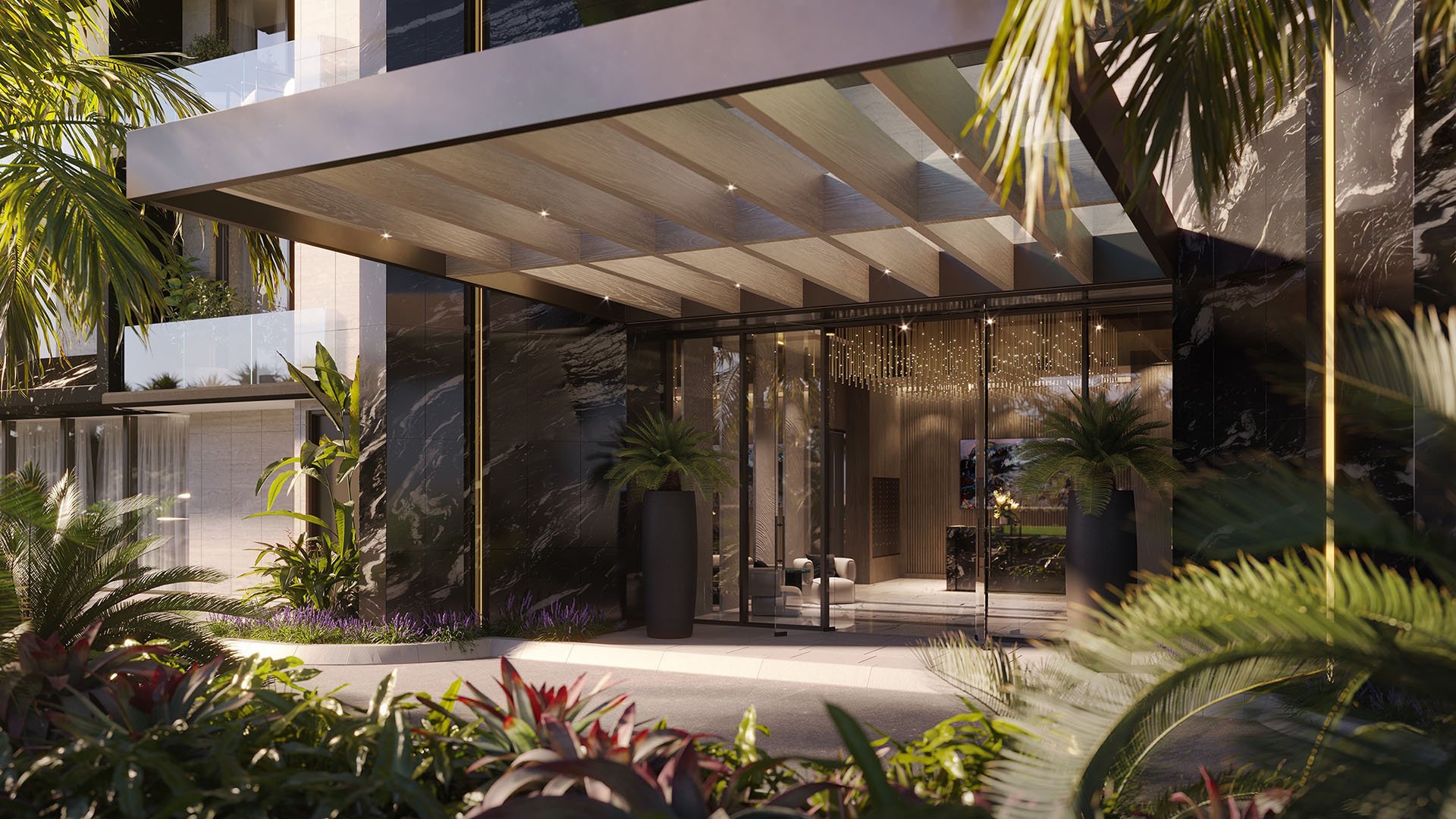
In Bay Harbor Islands, privacy is not a single amenity. It is a sequence: the turn into the property, the vehicle handoff, the passage through the lobby, the elevator call, and the threshold of the residence. Every transition either preserves discretion or introduces friction.
For 2026 buyers, the strongest approach is both experiential and documentary. Tour the full arrival path, then verify its intended function through plans, governing documents, staffing information, operating policies, and written representations. This layered review matters because polished finishes cannot compensate for a circulation plan that feels exposed at busy moments.
This is especially relevant when comparing boutique and larger-format living. A smaller building may feel intimate, while a broader service program may offer greater operational depth. Neither is inherently superior. The question is whether the property’s physical layout, staffing model, and rules support how the buyer actually lives.
“Private elevator” can describe materially different experiences. It may mean an elevator shared by a limited number of residences, controlled floor access, a dedicated vestibule, or direct entry into a home. Buyers should not rely on shorthand. Ask the sales team or seller to identify the exact configuration in writing and locate it on the relevant plan.
Begin with access control. Determine how residents, household staff, guests, vendors, and building personnel receive authorization. Then examine the landing condition. Is there a secure vestibule between the elevator and the residence? Where are deliveries held? Can another passenger reach the same floor? What happens when a credential is lost or a resident grants temporary access?
Projects such as Onda Bay Harbor and The Well Bay Harbor Islands can be placed on a comparison worksheet, but every elevator description, access protocol, and current offering should be independently confirmed for the residence under consideration.
Valet should be assessed as movement, not theater. Follow the route from the street to the handoff point, then continue through retrieval. Observe turning space, queuing logic, pedestrian crossings, weather protection, sightlines, and the distance between the podium and residential entry. A graceful porte cochere can still become awkward when arriving cars, waiting guests, deliveries, and service vehicles compete for the same space.
Request a live demonstration at more than one time of day. During each visit, note where a second or third vehicle would wait, whether stopped cars impede through-movement, and how attendants communicate with residents. Ask how oversized vehicles, rideshare pickups, chauffeurs, contractors, and visitor parking are handled. The goal is not to predict a specific wait time, but to determine whether the operating plan establishes clear priorities.
When reviewing La Maré Bay Harbor Islands and Bay Harbor Towers, focus on the applicable plan, contract language, association framework, and an on-site test of the actual or proposed arrival sequence.
Most privacy compromises occur where circulation streams intersect. Map resident arrivals against guest check-in, parcel handling, food delivery, dog walking, housekeeping, move-ins, and maintenance. If the same elevator bank or lobby serves several functions, ask how staff separate them in practice.
Acoustics deserve equal scrutiny. Stand at the elevator landing and listen for conversation from the residence entry. From inside the home, consider elevator arrival tones, door operation, and activity in the vestibule. For a waterfront residence, also consider whether wet-weather arrivals or marina-related equipment create different service demands, without assuming every property shares the same conditions.
The review should include cameras, visitor identification, credential logs, elevator overrides, and emergency access. Buyers should ask who can view access records, how long those records are retained, and which personnel may enter a private landing. These are questions of governance as much as technology.
An elevator-dependent lifestyle requires a backup plan. Confirm the number and role of elevators serving the residence, emergency-power provisions described in project documents, fire-service procedures, maintenance responsibilities, and the route used when an elevator is unavailable. Avoid assumptions based on marketing language or a model residence.
Valet quality likewise depends on labor and storage. Review proposed or current staffing by shift, supervision, key-control procedures, vehicle staging, overnight protocol, damage reporting, and insurance requirements. Ask whether gratuities, parking charges, or valet costs are included in assessments or billed separately. For new construction, distinguish between an illustrative service concept and a binding obligation.
Serviceability shapes long-term ease. Determine how moves are scheduled, where contractors enter, whether a service elevator reaches every relevant level, and how large furnishings travel from the loading area to the residence. A private passenger elevator should not become the default freight route simply because other circulation was not carefully examined.
Create a one-page matrix for each candidate. Record the claimed elevator configuration, floor-access method, vestibule condition, guest protocol, valet-handoff geometry, queue location, service route, backup arrangement, staffing assumptions, and recurring costs. Label every point as observed, represented, documented, or unresolved.
Before signing, have appropriate legal, insurance, engineering, and tax advisers review the materials within their respective disciplines. Focus on the declaration, bylaws, rules, budget, parking rights, valet terms, easements, maintenance allocation, and any documents governing access or service changes. The objective is alignment between the experience being sold and the obligations that will govern ownership.
A refined arrival is ultimately a form of architecture supported by management. The best fit is the building whose sequence remains private, legible, and calm not only during a presentation, but also during rain, guest arrivals, deliveries, and an elevator-service event.
Does private elevator access always mean the elevator opens inside the residence? No. The term may describe several configurations, so verify the plan, access controls, and governing documents.
What should I inspect during a valet test? Trace entry, handoff, pedestrian movement, vehicle staging, retrieval, and exit while noting possible conflict points.
Should I visit only during a scheduled presentation? No. Request visits at different times and, where permitted, observe a busier arrival period and wet-weather conditions.
How should guests reach a private elevator landing? Confirm the identification, authorization, elevator-call, notification, and escort sequence applicable to the building.
What documents may clarify parking and valet rights? Review the contract, declaration, rules, budget, parking instruments, valet terms, and relevant association materials with counsel.
Why does the service route matter? Deliveries, moves, contractors, and staff can undermine privacy if their circulation overlaps residential arrival without controls.
What happens if the primary elevator is unavailable? Ask for the documented alternative route, emergency procedures, power provisions, and resident communication protocol.
How can a buyer evaluate valet staffing? Request shift assumptions, supervisory structure, key-control practices, staging procedures, and the allocation of operating costs.
Are model-residence demonstrations sufficient evidence? No. Compare demonstrations and verbal descriptions with plans, agreements, rules, and written representations for the specific residence.
Who should assist with final due diligence? Engage qualified legal, insurance, engineering, and tax professionals for questions within their respective expertise.
For a discreet conversation and a curated building-by-building shortlist, connect with MILLION.
If branded residences are on your mind — as a home or as an allocation — we would be glad to share what we are seeing, privately.
Begin a quiet conversation