For oceanfront buyers, the decisive comparison between Surfside and Sunny Isles Beach is not simply access to the sand. It is the documented right to use chairs, reserve cabanas, welcome guests, and receive services on the terms that suit a household.
For a buyer choosing between Surfside and Sunny Isles Beach, the most revealing comparison begins with an ordinary afternoon: walking to the sand, finding shade, welcoming visiting family, and ordering something cold without an unexpected restriction. Both locations offer direct beach access. The meaningful distinctions lie in how each building organizes that experience and which privileges accompany ownership.
Separate three questions before comparing residences: how you reach the beach, which amenities you may use, and whom you may bring. A private access route is not proof of exclusive beach ownership. A cabana offered for purchase does not, by itself, establish a particular title structure. And access to the sand does not confer the right to use a condominium’s furniture, pool, or staffed services.
The strongest purchase is the one whose documented rights match your household’s habits-not the one with the most expansive amenity language.
Sunny Isles Beach expressly prohibits beachfront properties from preventing beachgoers from sitting anywhere on the beach, including areas with pre-set furniture. For buyers, the distinction matters: a carefully arranged beachfront setup does not imply an exclusively reserved stretch of sand.
That rule does not give every beachgoer permission to use a condominium’s chairs, umbrellas, or cabanas. Public seating rights and private amenity privileges are separate matters. When evaluating a residence, ask management where the building’s service begins and what credentials residents and guests need to receive it.
Properties pre-setting chairs for residents or guests must obtain a Beach Chair Pre-Setting permit from the city’s Code Compliance Division. Layouts must follow the approved permit diagram. Chairs cannot be pre-set in emergency beach-access lanes or where they obstruct lifeguards’ sightlines.
For a buyer considering Jade Signature Sunny Isles Beach, these municipal rules are a starting point for questions, not a description of the building’s service package. Request its current beach-service policies separately. On a tour, distinguish the visual appeal of an orderly beachfront from any promise of a particular seat, location, or level of service.
Surfside calls for the same distinction between an appealing arrival at the water and enforceable amenity rights. Peddling and commercial operations or business are prohibited on its public beach. That restriction does not establish an individual condominium’s cabana rights and should not be used to infer them.
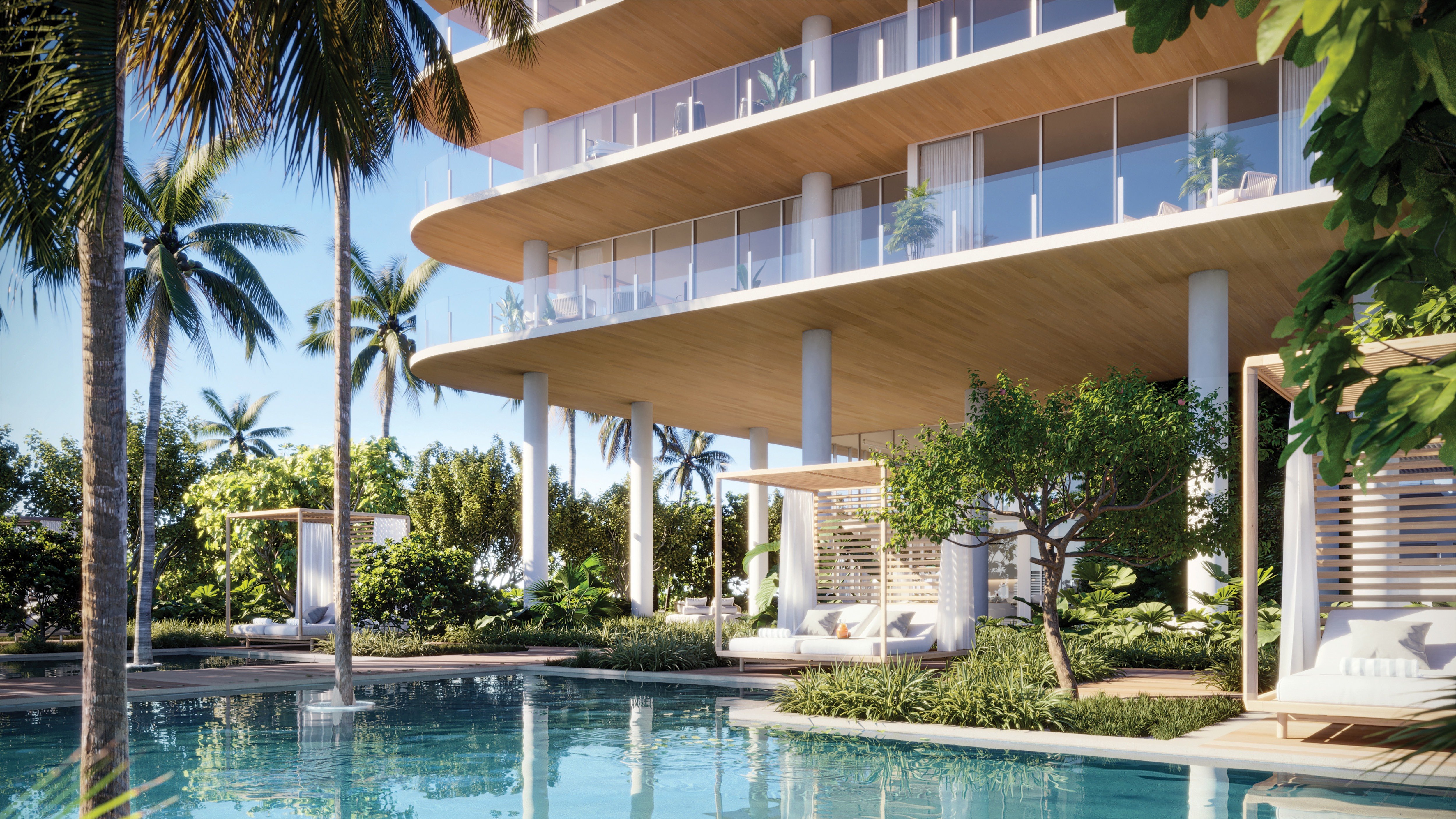
At Ocean House Surfside, advertised amenities include beach-side cabanas with “direct private access to the sand,” along with pool- and lounge-chair services. That access language describes the route to the beach; it does not prove exclusive ownership of the beach itself.
Other advertised amenities include a rooftop pool deck with floating cabanas, a vitality pool, a sunset deck, and ocean views. Keep those rooftop amenities distinct from the beach-side cabanas when discussing a purchase. Neither the marketing language nor the shared word “cabana” establishes completion status, ownership terms, or resident guest privileges.
If The Surf Club Four Seasons Surfside is also on your shortlist, apply the same document-led comparison rather than carrying assumptions from one Surfside property to another. Ask for the specific access, service, and guest terms that apply to the residence under consideration.
A cabana can be central to a buyer’s beach routine, but the first question is what is actually being acquired. Ownership, an assigned use right, and a reservation privilege are different arrangements. Have counsel identify which applies rather than treating them as interchangeable.
A furnished cabana offered at Ocean Two Condominium in Sunny Isles Beach is available for purchase only by Ocean 2 owners. That owner-only purchase condition establishes neither its legal title structure nor its guest-use rights. It should not be described as separately deeded without confirmation through title and condominium documents.
Before assigning value to a cabana, request documentation confirming whether it transfers with the residence, can be transferred independently, requires association approval, or is subject to continued ownership of a qualifying unit. These are questions to resolve, not restrictions to assume.
Clarify who maintains the space, what recurring charges apply, and whether furnishings are included in the transaction. A photograph conveys atmosphere; the governing documents and transaction terms determine what you can rely on after closing.
Neither municipality’s beach framework is a substitute for a building’s guest policy. Ask management to distinguish beach access from access to the pool, cabana, chairs, and service staff. A guest may need different permissions for different parts of the same afternoon.
Use concrete scenarios. Could adult children staying in the residence use the amenities while the owner is away? Could friends visit for the day? Would a family gathering require advance registration or reservations? Ask whether owner presence, guest caps, reservation windows, holiday restrictions, or additional charges apply. Do not assume that any particular condition exists.
Request the current written rules and clarify how they apply to the unit and any cabana being purchased. For second-home buyers especially, independent guest use deserves attention before commitment. A service package that works beautifully when the owner is present may not suit the household’s intended use unless unaccompanied guest access is expressly addressed.
Pools, beach chairs, umbrellas, fitness facilities, and staffed services are common offerings among Sunny Isles oceanfront towers, but they are not guaranteed inclusions at every property. An amenity inventory is only the beginning of a useful comparison.
Umbrella-side food and beverages, private cabana service, and equipment rentals may carry per-use charges. Ask for the current fee schedule and distinguish what ownership includes from what requires payment each time. Confirm operating hours, booking procedures, and any service limitations relevant to your routine.
Apply the same cost-and-permission review in Surfside. The useful comparison is not how many amenities appear in the presentation, but which ones your household can use, under what conditions, and at what cost.
There is no defensible town-wide winner for cabana ownership or guest flexibility. Sunny Isles Beach has explicit municipal rules for chair pre-setting and beach seating; Surfside’s public-beach commercial restriction addresses a different question. Neither replaces the building documents that define a buyer’s amenity rights.
Prioritize a verified access route, a clear cabana arrangement, written guest permissions, and a transparent service budget. That is the comparison most likely to preserve the ease you are buying.
Explore your Surfside and Sunny Isles Beach shortlist with MILLION.
If branded residences are on your mind — as a home or as an allocation — we would be glad to share what we are seeing, privately.
Begin a quiet conversationYes. The meaningful buying differences include each building’s amenities, service arrangements, and cabana-use terms.
No. The city prohibits beachfront properties from preventing beachgoers from sitting anywhere on the beach, including areas with pre-set furniture.
No. Public seating rights do not establish entitlement to a condominium’s furniture, cabanas, pools, or staffed services.
Yes. Properties pre-setting chairs for residents or guests must obtain a Beach Chair Pre-Setting permit and follow its approved layout.
Chairs cannot be pre-set within emergency beach-access lanes or where they obstruct lifeguards’ sightlines.
No. Its prohibition on peddling and commercial operations or business on the public beach does not establish individual buildings’ cabana rights.
No. Its advertised direct private access to the sand describes access, not proof of exclusive beach ownership or specific guest privileges.
The owner-only purchase restriction does not establish its title structure. Confirm ownership and transfer terms through title and condominium documents.
That must be confirmed for the specific building and amenity. Request written rules addressing owner presence, registration, reservations, and guest limits.
Not necessarily. Food and beverages, private cabana service, and equipment rentals may carry per-use charges, so review the current fee schedule.