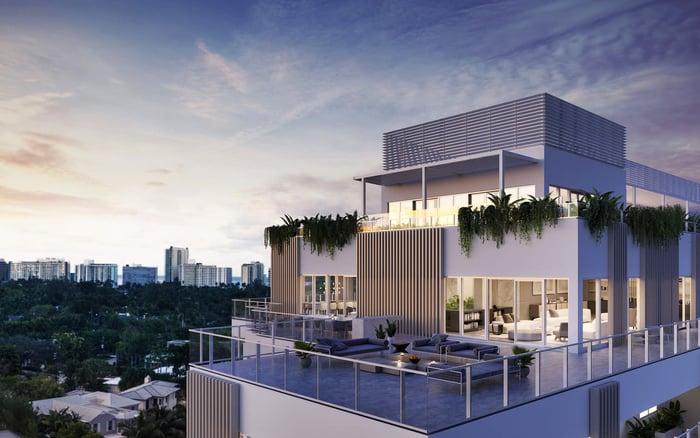
Surfside offers compact scale and select intimate residences, while Bal Harbour invites comparison through resort-style grounds. For discreet oceanfront ownership, the decisive differences lie in building access, rental policies, association finances, and neighboring redevelopment rather than the municipality alone.

For a buyer seeking discreet oceanfront ownership, Surfside versus Bal Harbour is less a contest between addresses than a choice between ways of living. The meaningful distinction is not which municipality sounds more exclusive, but which building allows an owner to arrive, entertain, use the beach, and leave with the desired degree of separation.
Surfside is a useful starting point for compact scale and select intimate properties. Bal Harbour merits consideration for resort-style grounds. Neither description is universal: Surfside also accommodates hotel-integrated residences, while a Bal Harbour address alone says little about rental turnover, guest access, or financial stewardship.
Discretion is a building-level condition, not a municipal amenity. A considered search begins with daily routines and association documents, then uses location to refine the shortlist.
Surfside has roughly nine blocks of Collins Avenue oceanfront, with approximately 18 major condominium buildings along that compact stretch. This scale allows buyers to compare markedly different ownership experiences without treating the municipality as a single product.
At Fendi Château Residences Surfside, villa-like character provides one reference point for buyers seeking an intimate residential atmosphere. In 2025, rental activity was limited and association costs were relatively high. Neither condition should be treated as permanent: current lease restrictions, actual turnover, and the adopted budget deserve direct verification.
The contrasting model is The Surf Club Four Seasons Surfside, which occupies approximately eight acres and combines condominium ownership with hotel services. For some purchasers, that combination meets a preference for service. For others, the central question is how residential circulation relates to hotel and commercial activity.
These examples explain why choosing Surfside is only the first decision. An intimate atmosphere and a hotel-supported lifestyle may both appeal to a discreet buyer, but they call for different examinations of entrances, shared spaces, and visitor procedures.
Bal Harbour deserves particular attention from buyers who place substantial grounds and a resort-style setting high on their brief. Oceana Bal Harbour, an approximately 5.5-acre property with substantial grounds and end-user-oriented demand, illustrates that appeal.
Yet generous acreage is no substitute for an access review. Ask whether the route from garage to residence is controlled, how visitors are admitted, and which shared areas serve residents, guests, or other users. The relevant measure is how the property functions on an ordinary day, not simply how it presents during a private showing.
The financial comparison must also remain building-specific. Elevated inventory, discounts, or potential assessment exposure are concerns at some older Bal Harbour towers. These are reasons to investigate, not grounds to dismiss an entire generation of buildings. A discounted purchase price becomes meaningful only when weighed against repairs, reserves, insurance, and future obligations.
Before ranking either location, define what discretion means for your household. It might mean minimal rental turnover, separation from commercial activity, controlled elevator access, or terraces without uncomfortable neighboring sightlines. These preferences overlap, but they are not interchangeable.
Begin with the garage. Establish who can enter, how access is authorized, and what happens when an owner arrives with guests or service providers. Continue through the elevator and residential corridor. Ask management to explain the access arrangements rather than relying on an amenity description.
Then examine occupancy. Review written lease restrictions alongside whatever current rental-activity information the association can provide. A restrictive policy and a quiet occupancy pattern are related considerations, but one does not prove the other. Guest procedures deserve the same attention, especially where a property includes hotel or commercial components.
Finally, inspect sightlines from living spaces and terraces. Controlled building access should never be confused with a private beach. Confirm the property's precise beach-access arrangements and legal rights separately, with appropriate professional advice.
For discreet ownership, financial preparedness belongs beside physical privacy. A residence may suit an owner's daily routine, but its association's obligations and the potential disruption of major work still require close examination.
The 2021 Champlain Towers South collapse remains central to Surfside's condominium-risk context and the subsequent changes in Florida condominium oversight. Acquisition diligence should include milestone-inspection records, structural reserves, repair scopes, assessments, insurance, and board minutes. Apply that discipline to candidates in both municipalities rather than assuming an address resolves the question.
Monthly association charges need interpretation. Lower fees can accompany insufficient reserves; higher fees may support staffing, insurance, amenities, and maintenance. Neither figure establishes quality in isolation. Request the adopted budget, reserve information, and details of approved or contemplated work, then assess what the charges actually fund.
Likewise, neither municipality should be treated as a uniformly strong or weak resale market. Building performance has varied substantially. Compare a prospective residence with genuinely relevant alternatives, and avoid using a broad neighborhood figure to value a property with a different service model or financial condition.
The apartment itself is only part of the ownership environment. A buyer planning substantial alterations should establish both association requirements and municipal review requirements before assuming a renovation schedule is achievable.
In Surfside, renovation planning involves the Building Department, Code Compliance Division, and Planning and Zoning Division as applicable. Clarify the proposed scope with the relevant departments and the association before committing to a purchase that depends on extensive changes.
Bal Harbour's zoning discussion includes construction-site standards, underground parking provisions, and the Oceanfront zoning district. Its review of Oceanfront requirements makes neighboring redevelopment a relevant diligence question. Confirm the current status of nearby proposals rather than assuming existing conditions will remain unchanged. Potential changes to sightlines, construction activity, and arrival conditions deserve consideration alongside the residence's present appeal.
Favor Surfside as a starting point if compact geography and the possibility of an intimate residential setting lead your priorities. Give Bal Harbour equal attention if substantial grounds and resort-style living are central to the brief. Then allow the individual property to overturn any initial preference.
The strongest choice is the residence whose access arrangements, occupancy patterns, financial preparedness, and surroundings match how you intend to live. Prestige can establish interest; the details determine whether ownership will feel genuinely discreet.
For a considered comparison of Surfside and Bal Harbour residences, explore MILLION.
If branded residences are on your mind — as a home or as an allocation — we would be glad to share what we are seeing, privately.
Begin a quiet conversationNeither municipality guarantees greater discretion. Rental turnover, access controls, guest procedures, and sightlines need to be evaluated at the individual building.
Surfside offers compact oceanfront geography and a choice between intimate residential settings and hotel-integrated developments. Its Collins Avenue oceanfront spans roughly nine blocks.
Bal Harbour merits consideration for resort-style properties with substantial grounds. Privacy still depends on the specific property's operating model and access arrangements.
Fendi Château provides a villa-like residential reference point, while The Surf Club combines condominium ownership with hotel services across approximately eight acres. Buyers should verify current operations and rental conditions directly.
Oceana Bal Harbour is an approximately 5.5-acre resort-style property with substantial grounds and end-user-oriented demand. It illustrates the grounds-focused ownership experience buyers may seek in Bal Harbour.
No. Beach-access arrangements and legal rights must be confirmed separately from building security and residential access controls.
Review milestone-inspection records, structural reserves, repairs, assessments, insurance, and board minutes. The adopted budget and details of contemplated work also help clarify ownership obligations.
No. Lower charges can accompany insufficient reserves, while higher charges may support staffing, insurance, amenities, and maintenance.
Not automatically. Inventory, discounts, or potential assessment exposure should prompt closer examination of association records rather than a blanket conclusion.
Neighboring redevelopment may affect sightlines, construction activity, and arrival conditions. Bal Harbour's review of Oceanfront zoning requirements makes checking current proposals particularly relevant.