A practical owner and management framework for summer lock-up planning at Shoma Bay, focused on storm readiness, humidity control, inspections, documentation, and coordinated service while residences are vacant.
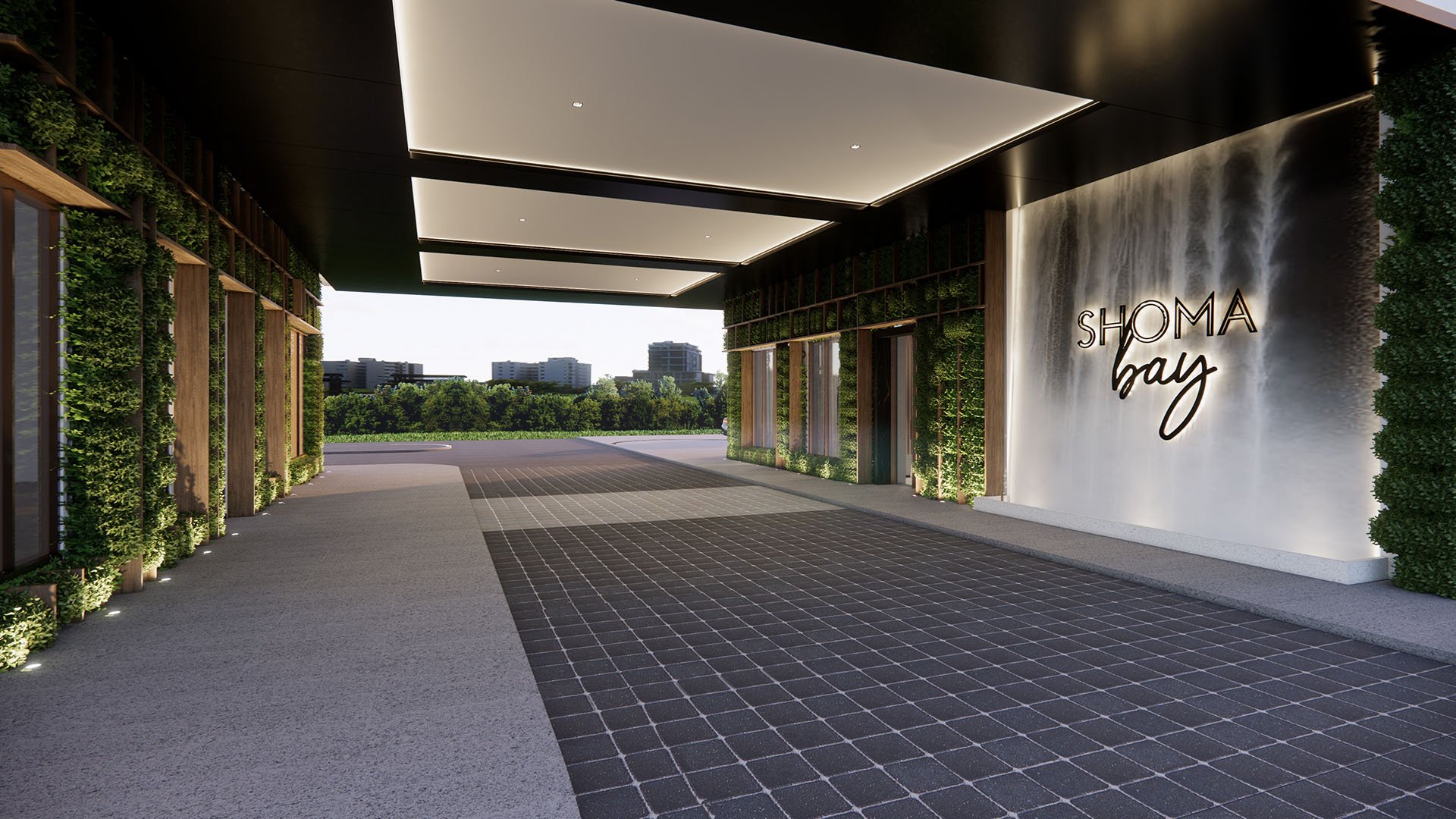
For owners at Shoma Bay North Bay Village, summer lock-up planning is less about closing the door than preserving a residence through South Florida’s most demanding season. North Bay Village offers the appeal of waterfront living, but summer also brings storm exposure, heat, humidity, and longer stretches of owner absence. The strongest plan treats storm preparation, preventive maintenance, and staff coordination as one operating standard.
This is especially important for second-home ownership, where a residence may sit vacant while decisions still need to be made quickly. A refined summer plan should protect finishes, simplify staff access, keep vendors aligned, and make the eventual return feel seamless. In that sense, lock-up is not a step down from daily service. It is an elevated form of service, designed for the months when the owner is not physically present.
North Bay Village owners should think of the season in three phases: before departure, during vacancy, and after a storm or maintenance event. Each phase requires clear permissions, concise communication, and written records.
The lock-up process should begin before suitcases are packed. Management and owners should confirm contact details, emergency contacts, unit-access permissions, and vendor authorization. This step may sound administrative, but in practice it defines what staff can and cannot do when the owner is unavailable.
A summer departure conversation should clarify who receives notices, who can approve repairs, which vendors may enter the residence, and how urgent decisions should be handled. For luxury residences, ambiguity is expensive. A missing phone number, expired authorization, or unclear approval chain can delay a simple service call or complicate a post-storm inspection.
Owners comparing service expectations across North Bay Village projects, including Continuum Club & Residences North Bay Village, should place access and communication protocols near the top of the seasonal checklist. The goal is not more messages. The goal is fewer surprises.
Waterfront living changes the way summer maintenance should be prioritized. Storms may be the headline, but humidity, heat, stagnant air, and extended vacancy often create the quieter risks. The most effective plan treats all of them together.
Vacant residences should not simply have HVAC systems turned off. Thermostat and humidity-control settings should be managed to reduce mold risk, protect finishes, and avoid stagnant-air issues during absence. Owners should ask how those settings will be monitored, who can adjust them if necessary, and whether any unusual condition will trigger a notice.
Maintenance planning should also prioritize waterproofing observations, roof and façade observations, drainage, mechanical systems, elevators, generators, fire and life-safety systems, and amenity-area protection. These are not glamorous topics, but they are central to keeping a building resilient during summer. Waterfront is a lifestyle promise, yet it depends on disciplined operations behind the scenes.
Inside the residence, the lock-up protocol should be deliberate and repeatable. Windows and doors should be checked, appliances reviewed, drains observed, and loose décor secured. The balcony deserves particular attention. Outdoor furniture, planters, accessories, and movable objects should be addressed well before peak storm season, not during the final hours before a storm watch.
A strong unit check should also look for early signs of moisture, standing water, or airflow issues. Even when no problem is found, a simple written record is valuable. Inspection logs, photo records where appropriate, vendor work orders, and owner approvals help prevent confusion later. They also create continuity if different staff members are involved over the course of the summer.
This is where new-construction ownership should adopt the same discipline expected in the most established luxury towers. Whether the residence is newly delivered or long occupied, the seasonal question remains the same: can the home be protected while remaining ready for the owner’s return?
Storm readiness should not depend on improvisation. Management should establish a clear chain of command for pre-storm notices, unit checks, common-area shutdowns, vendor scheduling, and post-storm inspections. Concierge, engineering, security, housekeeping, and property management teams should understand which tasks are owner-facing and which are emergency-response functions.
Separating those responsibilities matters. A concierge team may be managing owner questions and access requests while engineering is focused on building systems and common areas. Security may need to manage building access, while housekeeping may be asked to assist with interior readiness. If these roles are not defined until weather conditions worsen, the service experience can become reactive.
For buyers watching the broader North Bay Village pipeline, including Tula Residences North Bay Village, staff coordination is part of the ownership experience. It is not only about amenities or finishes. It is about how a property performs when the owner is away and the weather is no longer ideal.
Owner communications should be short, timely, and practical. Seasonal lock-up reminders, storm-prep deadlines, building access rules, emergency notices, and post-event updates all belong in the communications plan. The language should be clear enough for an owner traveling internationally to understand immediately.
The best messages answer three questions: what is happening, what the owner needs to do, and by when. If action is required, the request should be specific. If no action is required, that should also be stated. Luxury service is often defined by calm delivery, and summer communications should reflect that tone.
Post-storm communications are equally important. Owners need to know whether inspections have been completed, whether vendors are being scheduled, whether access is restricted, and whether additional approval is required. Even when there is no damage, a documented status update can reassure an absent owner and reduce unnecessary follow-up.
Vendor coordination should be agreed upon before departure. Owners should confirm which vendors are authorized, what documentation is required, who escorts or grants access, and how completed work is recorded. In a vacant residence, even routine maintenance benefits from structure.
Work orders should identify the requested service, access status, completion notes, and any owner approval attached to the task. Photo records may be useful where appropriate, especially for visible conditions before and after a service event. The objective is not bureaucracy. It is clarity.
This same discipline is relevant across the bay and island markets, where owners often compare lock-and-leave expectations at residences such as La Baia North Bay Harbor Islands. The more valuable the residence, the more important it becomes to make absence feel managed rather than unattended.
A true summer lock-up plan does not end when the storm season passes or the owner books a return flight. The final standard is arrival readiness. The residence should be aired appropriately, basic systems should be reviewed, prior work should be closed out, and any open maintenance items should be communicated before arrival.
For Shoma Bay owners, this is the quiet luxury of operational confidence. A well-run lock-up plan protects the residence, respects the owner’s time, and allows the home to remain a refuge rather than a project. Storm prep, maintenance, and staff coordination are not separate checklists. They are one service ecosystem.
When should Shoma Bay owners begin summer lock-up planning? Owners should begin before departure, ideally once summer travel plans and vacancy periods are known.
Should HVAC be turned off in a vacant residence? No. Thermostat and humidity-control settings should be managed to reduce mold, finish damage, and stagnant air.
What should be checked on a balcony before storm season? Balcony furniture, planters, loose décor, drains, doors, and related exterior items should be reviewed and secured.
Who should authorize vendor access during an owner’s absence? The owner should confirm vendor authorization, unit-access permissions, and approval contacts before leaving.
Why are inspection logs important? Logs, photos where appropriate, work orders, and approvals reduce confusion after storms or maintenance events.
What building systems should summer maintenance prioritize? Priorities should include drainage, mechanical systems, elevators, generators, life-safety systems, and amenity protection.
How should staff roles be organized before a storm? Management should define owner-facing tasks and emergency-response tasks before a storm watch is issued.
What should owner communications include? Communications should cover lock-up reminders, deadlines, access rules, emergency notices, and post-event status.
Is lock-up planning only for long absences? No. Even shorter summer vacancies benefit from clear access rules, humidity management, and unit checks.
What is the ultimate goal of a luxury lock-up plan? The goal is to protect the residence while keeping it ready, calm, and refined for the owner’s return.
For a tailored shortlist and next-step guidance, connect with MILLION.
If branded residences are on your mind — as a home or as an allocation — we would be glad to share what we are seeing, privately.
Begin a quiet conversation