A practical closing-stage guide for lock-and-leave buyers evaluating storm readiness, residence preparation, terrace protocols, shared systems, and written hurricane procedures at Shore Club Private Collections Miami Beach.
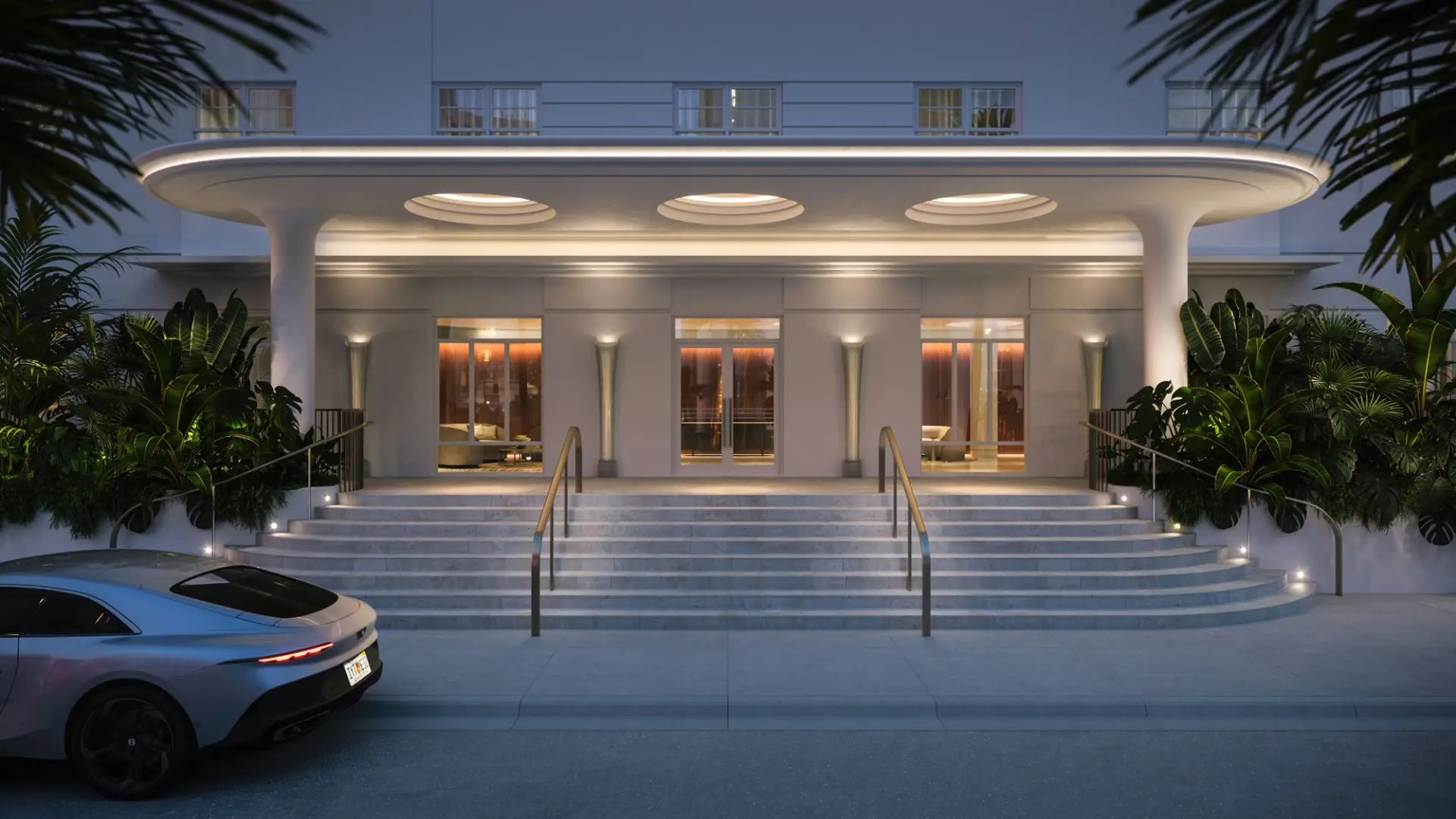
For a lock-and-leave buyer, the appeal of a Miami Beach residence is inseparable from the operating discipline behind it. Shore Club Private Collections Miami Beach is the focus of this closing-stage review because storm-season planning is more than a practical checklist. It becomes a measure of confidence, insurance resilience, and the ease with which an owner can live between cities without feeling operationally exposed.
The central question is not whether South Florida carries hurricane risk. Every sophisticated buyer understands that it does. The sharper question is whether the residence, the building, and the management structure have a clearly documented plan for the weeks before, hours during, and days after a named storm. For buyers considering Shore Club Private Collections Miami Beach, that plan should be reviewed before closing, not discovered after the first weather advisory.
This is where luxury becomes less about finishes and more about governance. A residence may offer expansive glass, terraces, balconies, and indoor-outdoor living, but those same qualities require precise preparation when the owner is not in Miami. A lock-and-leave purchase should therefore include a storm protocol review alongside association documents, insurance questions, maintenance obligations, and closing logistics.
The first question is deceptively simple: who is responsible for securing the private residence if the owner is absent during hurricane season? Buyers should not accept a general answer. The response should distinguish among building staff, property management, and any third-party vendor used for pre-storm residence preparation.
A clear answer should identify what is included, what requires separate enrollment, and what remains the owner’s responsibility. If terrace furniture, planters, exterior accessories, or balcony items must be brought inside, who performs that work? If certain items are too heavy, too delicate, or not approved for staff handling, how is that communicated? If the owner is traveling internationally, how much advance notice is required to authorize entry?
The strongest version of this protocol is written, repeatable, and specific. It should not depend on a single staff member’s recollection or a verbal promise during a sales conversation. In a hospitality-style environment, staffing, guest management, and emergency response may be more layered than in a conventional condominium. That can be an advantage, but only if the chain of responsibility is documented.
Buyers comparing other Miami Beach residences, from 57 Ocean Miami Beach to The Perigon Miami Beach, should apply the same standard: a beautiful residence is easier to own when storm preparation is operationally clear.
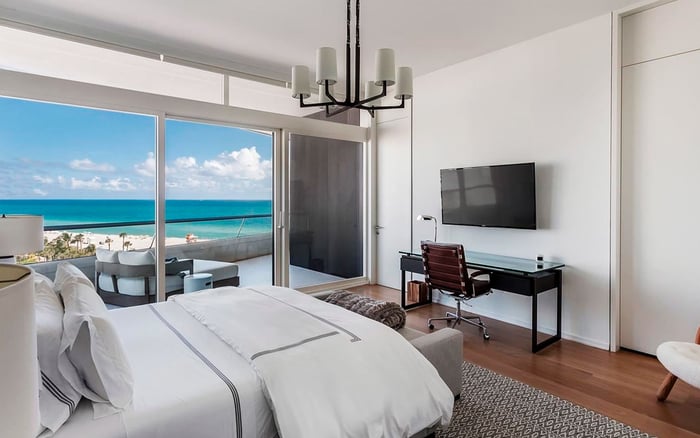
Large-format glazing is one of the defining pleasures of modern coastal living, yet it is also central to storm-season due diligence. Buyers should ask about impact-rated glass, exterior door systems, and the building’s approach to water intrusion controls. The point is not to redesign the building from the closing table. It is to understand what has been specified, how it is maintained, and what inspections occur after severe weather.
A careful buyer should ask whether post-storm inspections include private residence perimeters, balcony thresholds, sliding door tracks, window systems, and any locations where wind-driven rain could reveal weaknesses. If inspections are performed only in common areas, owners may need a separate private residence inspection protocol. If management offers that service, the buyer should request the details in writing.
This inquiry is especially important for second-home ownership. A primary resident may notice a small leak, swelling, or track issue quickly. An absent owner may not. A lock-and-leave plan should address how the building identifies potential water intrusion after a storm, how quickly the owner is notified, and whether access to the residence can be coordinated for remediation.
Terrace living is a defining part of the Miami Beach luxury proposition. It is also one of the most practical subjects in a hurricane-season review. At Shore Club Private Collections Miami Beach, buyers should treat terrace and balcony readiness as part of closing due diligence, particularly if they expect to spend long periods away from Florida.
The right questions are granular. Are furnishings required to be removed or secured at a certain advisory threshold? Are owners permitted to leave certain approved items outside year-round? Does the building maintain a record of terrace contents for absentee owners? Are storage areas available, and if so, who has access during storm preparation? If planters or decorative elements are part of the design, how are they handled before high winds?
There is also a neighborly dimension. A poorly secured terrace item is not merely a private inconvenience. It can become a risk to other residences, common areas, glazing, or adjacent buildings. For a luxury buyer, terrace protocol is a matter of community discipline as much as personal convenience.
Similar questions arise across the upper tier of Miami Beach, including residences such as The Ritz-Carlton Residences® Miami Beach and Setai Residences Miami Beach. The asset class may be glamorous, but the best ownership experience often depends on unglamorous clarity.
The storm plan should extend beyond the private residence. Buyers should ask how the building prioritizes shared systems, resident communication, access control, and post-storm re-entry. In a coastal setting exposed to wind, rain, salt air, and storm surge risk, mechanical equipment protection is a relevant question, even when the buyer is focused primarily on interiors.
Before closing, request an explanation of how management communicates advisories, preparation deadlines, building access changes, elevator limitations, service interruptions, and post-storm inspection updates. For lock-and-leave owners, communication should be accessible from outside Miami, clear enough to act on quickly, and organized enough to reduce uncertainty.
Access control can be equally important. If residents, guests, vendors, or family members may need to enter before or after a storm, the building’s procedure should explain how authorization works. Hospitality-style operations may add complexity when residence owners, staff, vendors, and emergency protocols intersect. That complexity is manageable when roles are clearly defined.
Sophisticated buyers should also ask about the property’s broader site conditions, including elevation, dune relationship, seawalls or hardened edges, and stormwater management. These are not cosmetic questions. They shape how a coastal asset is expected to perform during heavy rain, surge conditions, and post-storm recovery.
A buyer does not need to become an engineer to ask intelligent questions. The goal is to understand what protections exist, how they are maintained, and whether any obligations or limitations affect private owners. If certain features are part of the building’s resilience strategy, the buyer should know who maintains them and how often they are reviewed.
This is also where storm planning intersects with long-term value. Insurance risk, resale liquidity, and buyer confidence are influenced by the perception of preparedness. A residence that is easy to secure, inspect, and reopen after severe weather can feel more liquid than one dependent on informal workarounds.
For buyer’s guides focused on coastal property, the most useful frame is simple: storm readiness is not a fear-based exercise. It is part of asset stewardship.
Before finalizing a purchase at Shore Club Private Collections Miami Beach, a lock-and-leave owner should ask for written hurricane procedures and review them with the same seriousness given to financial terms. The questions should cover private residence access, pre-storm preparation, terrace contents, glazing and door systems, water intrusion checks, mechanical equipment protection, communication methods, staffing, vendor coordination, and post-storm inspection procedures.
The best answers will be specific, written, and consistent. They will distinguish between association responsibility and owner responsibility. They will explain whether services are automatic, optional, or separately contracted. Most importantly, they will give an absent owner a reliable sense of what happens when time is short.
Luxury ownership in South Florida is not about eliminating nature. It is about choosing a building whose procedures match the sophistication of the asset.
Why should storm planning be reviewed before closing? Because it affects ownership confidence, insurance questions, maintenance expectations, and future liquidity for a lock-and-leave asset.
What is the first question an absentee owner should ask? Ask who is responsible for securing the private residence when the owner is away during hurricane season.
Should buyers rely on verbal assurances from sales or staff? No. Prospective owners should request written hurricane procedures before closing and keep them with purchase documents.
Why are terraces and balconies so important? Outdoor furnishings, planters, and accessories can create risk if they are not removed or secured before high winds.
What should buyers ask about glass and doors? Buyers should ask about impact-rated glass, exterior door systems, water intrusion controls, and post-storm inspection steps.
Does a hospitality-style environment change the storm plan? It can affect staffing, access control, vendor coordination, and emergency response, so roles should be clearly documented.
Why does mechanical equipment matter to a residence owner? Shared systems support comfort, access, and recovery after severe weather, especially in a salt-air coastal setting.
What site conditions should be discussed? Buyers should ask about elevation, dune relationship, seawalls or hardened edges, and stormwater management.
How should communication work for lock-and-leave owners? Updates should be clear, timely, and accessible to owners who may be outside Miami before, during, and after a storm.
Is storm readiness part of luxury value? Yes. A well-documented storm plan supports asset stewardship, owner confidence, and the practical ease of ownership.
When you're ready to tour or underwrite the options, connect with MILLION.
If branded residences are on your mind — as a home or as an allocation — we would be glad to share what we are seeing, privately.
Begin a quiet conversation