A buyer-focused comparison of St. Regis® Residences Brickell and Mr. C Tigertail Coconut Grove, centered on resilience planning, generator coverage, storm staffing, and the ownership-experience questions that matter before a South Florida purchase.
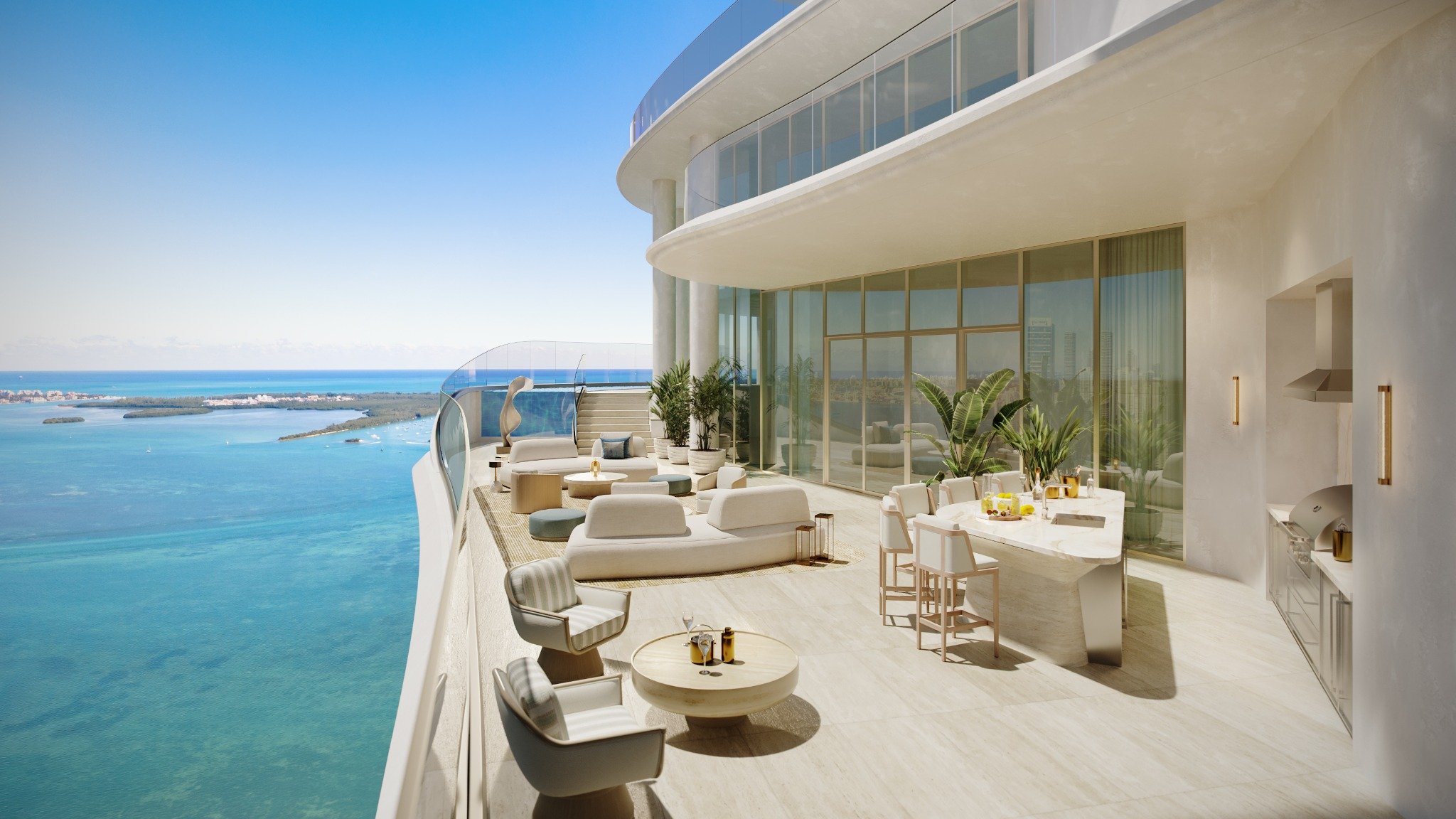
For South Florida’s most discerning buyers, the luxury conversation has moved beyond finishes, views, wellness decks, and private dining rooms. In Miami, true comfort also depends on how a residence performs when the weather turns, how clearly emergency policies are documented, and how much of daily life can resume after a storm has passed.
That makes the comparison between St. Regis® Residences Brickell and Mr. C Tigertail Coconut Grove less about declaring one property “safer” and more about understanding two distinct ownership settings. St. Regis® Residences Brickell sits within Brickell’s urban energy, where vertical living, brand service, and downtown convenience define the experience. Mr. C Tigertail Coconut Grove belongs to Coconut Grove’s more boutique, residential rhythm, where tree canopy, village scale, and bay-adjacent living shape buyer expectations.
In both cases, resilience should be treated as due diligence, not assumption. A branded name can elevate service culture, but it does not automatically answer technical questions about backup power, flood mitigation, water pumps, elevator operations, fuel supply, or on-site staffing after a major weather event.
A building can be designed to modern standards and still leave important ownership questions unanswered. For buyers, the distinction is critical: building-code resilience is not the same as ownership-experience continuity. The first speaks to how a structure is intended to perform. The second speaks to whether residents can access elevators, receive communications, use essential systems, and rely on a staffed building when normal city operations are disrupted.
At St. Regis® Residences Brickell, the baseline appeal is an urban branded-residence lifestyle in Brickell. The relevant buyer inquiry should focus on what is documented beyond the brand story: which systems have backup power, what emergency operations are planned, how flood mitigation is addressed, and what insurance assumptions are embedded in the condominium structure.
At Mr. C Tigertail Coconut Grove, the appeal is different. Boutique positioning in Coconut Grove invites a more intimate sense of place, but buyers should still ask specific questions about site elevation, drainage, flood exposure, backup-power scope, and expected continuity of on-site staff. A quieter neighborhood setting does not eliminate the need for technical clarity.
Generator coverage is one of the most misunderstood topics in high-end condominium ownership. Buyers often hear “backup power” and assume broad continuity, but the actual scope can vary dramatically from building to building. The key is not whether a generator exists. The key is what it supports, for how long, under what operating protocol, and with what priority after an event.
For St. Regis® Residences Brickell, prudent questions include whether backup power extends to life-safety systems only, selected common areas, elevators, domestic water pumps, garage access, cooling systems, security, communications, or any portion of residential interiors. Buyers should also ask how fuel supply is handled, what maintenance testing is required, and whether emergency operations distinguish between a short outage and a longer disruption.
For Mr. C Tigertail Coconut Grove, the same discipline applies, with added attention to the Grove setting. Buyers should examine whether backup power supports essential vertical circulation, water pressure, access control, and resident communications. If a buyer expects post-storm comfort rather than basic code compliance, that expectation should be measured against written condominium, engineering, and management documents.
No owner should rely on verbal shorthand. Exact claims about fuel runtime, elevator coverage, HVAC support, water-pump operation, or unit-level backup power should be confirmed in primary building documents before they influence a purchase decision.
Storm staffing is where luxury service either becomes practical or remains theoretical. A beautifully appointed lobby is one thing. A coordinated pre-storm and post-storm staffing plan is another. For high-net-worth owners, especially those who travel frequently or use a residence seasonally, the question is not only what the building can withstand. It is who is present, who communicates, and who executes.
At a Brickell tower, storm operations may involve a dense urban environment, higher resident volume, complex access logistics, and coordination with city services. St. Regis® Residences Brickell buyers should ask how management handles hurricane activation, resident notices, vendor access, garage protocols, amenity shutdowns, package management, and post-storm inspections. They should also ask which commitments are formal policies rather than informal expectations.
At Mr. C Tigertail Coconut Grove, staffing questions may feel more personal because of the smaller-scale neighborhood context. Still, the same verification matters. Buyers should ask whether on-site personnel remain before, during, or after a storm, what responsibilities they have, how residents are updated, and whether any service commitments survive a declared emergency.
The nuance is important. A luxury building may have attentive everyday service, yet emergency staffing can be governed by separate safety, labor, access, and insurance considerations. The ownership experience changes materially when those policies are transparent.
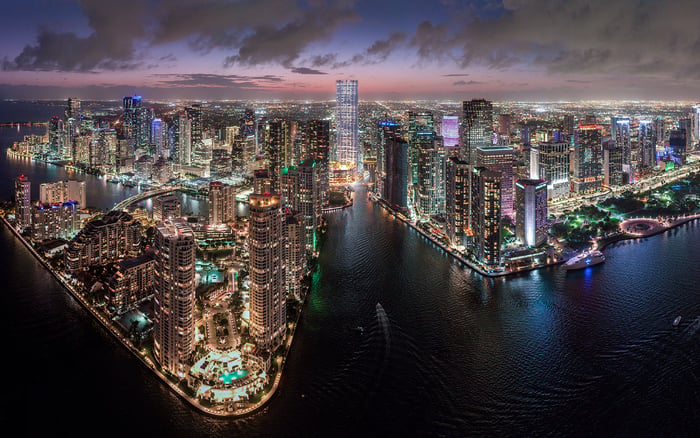
Brickell and Coconut Grove create different ownership questions. Brickell offers immediate urban access, dramatic skyline energy, and a vertical residential lifestyle. For buyers drawn to St. Regis® Residences Brickell, resilience due diligence should include flood mitigation, parking levels, lobby access, equipment placement, utility dependencies, and how the building communicates with residents when the surrounding district is recovering.
Coconut Grove offers a more relaxed residential cadence, with historic village character and an appeal often associated with privacy, greenery, and proximity to the bay. For Mr. C Tigertail Coconut Grove, the buyer lens should include site elevation, drainage patterns, neighborhood access after heavy weather, and the practical realities of boutique living in a coastal city.
Waterview expectations also require discipline. A view may be central to value, but proximity to water should prompt sharper questions about exposure, access, insurance, and operational planning. New-project buyers in both neighborhoods should ask for documents early, review them carefully, and avoid substituting lifestyle imagery for resilience disclosure.
The strongest ownership review begins before contract emotion takes over. Buyers should request the condominium documents, emergency operations materials, available insurance summaries, generator specifications, maintenance protocols, flood-zone context, and any engineering disclosures that clarify critical systems. If a sales presentation references backup power or storm planning, the buyer should ask where that commitment appears in writing.
The review should also separate personal convenience from building obligation. If an owner wants refrigerated storage, unit cooling, private staff access, remote property checks, or immediate post-storm entry, those expectations may require additional planning beyond what the condominium provides. In ultra-premium ownership, resilience is often a layered strategy: building systems, association policies, private insurance, personal staffing, and local advisory support all matter.
For both St. Regis® Residences Brickell and Mr. C Tigertail Coconut Grove, the best buyer posture is confident but precise. Admire the architecture, study the neighborhood, appreciate the brand, then verify the operating details that will define life during a disruption.
This comparison is not a contest of slogans. It is a reminder that resilience is now part of the luxury brief. The more refined the residence, the more important it becomes to understand how the building communicates, powers essential systems, manages staff, protects access, and restores daily rhythm after a storm.
St. Regis® Residences Brickell may suit the buyer who wants a polished urban branded address in Miami’s financial core, provided the buyer confirms the building’s specific resilience and emergency-operation profile. Mr. C Tigertail Coconut Grove may appeal to the buyer who prefers a more intimate Grove lifestyle, provided the same rigor is applied to flood exposure, drainage, generator scope, and staff continuity.
The sophisticated choice is not simply between Brickell and Coconut Grove. It is between assumptions and documents.
Is this comparison saying one building is safer than the other? No. The stronger approach is to compare documented resilience planning, generator scope, and storm staffing rather than make unsupported safety claims.
What should buyers ask first about generator coverage? Ask exactly which systems are supported, including elevators, pumps, security, communications, common areas, and any residential functions.
Can buyers assume branded residences have broader storm service? No. Brand service and emergency obligations should be reviewed separately in written management and condominium documents.
Why does Brickell require different resilience questions? Brickell’s dense urban setting makes access, garage operations, utility dependencies, and resident communication especially important after severe weather.
Why does Coconut Grove require different resilience questions? Coconut Grove buyers should focus on site elevation, drainage, flood exposure, access routes, and staff continuity in a village-style setting.
Is backup power the same as full building operation? No. Backup power may support limited essential systems, so buyers should verify the exact scope before relying on it.
Should storm staffing be confirmed before purchase? Yes. Buyers should ask which staff are expected on site, what they do, and whether those commitments are formally documented.
Do views affect resilience due diligence? They can. Water-facing or bay-adjacent ownership should prompt closer review of exposure, access, insurance, and flood-mitigation planning.
What documents are most useful for review? Condominium documents, emergency operations policies, engineering materials, insurance summaries, and generator specifications are central.
What is the main takeaway for luxury buyers? The best purchase decision balances lifestyle appeal with documented continuity of service, access, power, staffing, and communication.
If you'd like a private walkthrough and a curated shortlist, connect with MILLION.
If branded residences are on your mind — as a home or as an allocation — we would be glad to share what we are seeing, privately.
Begin a quiet conversation