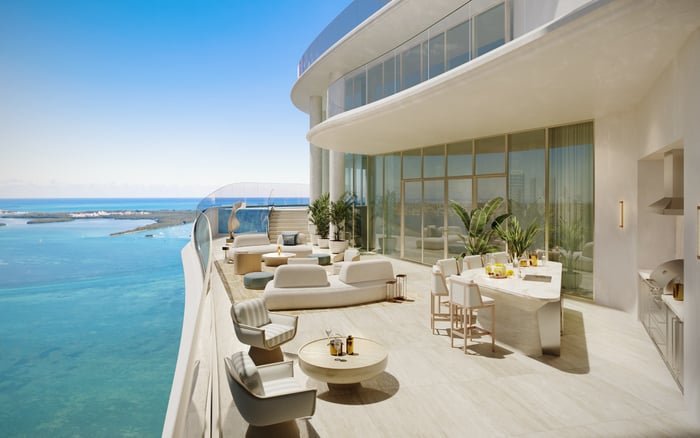
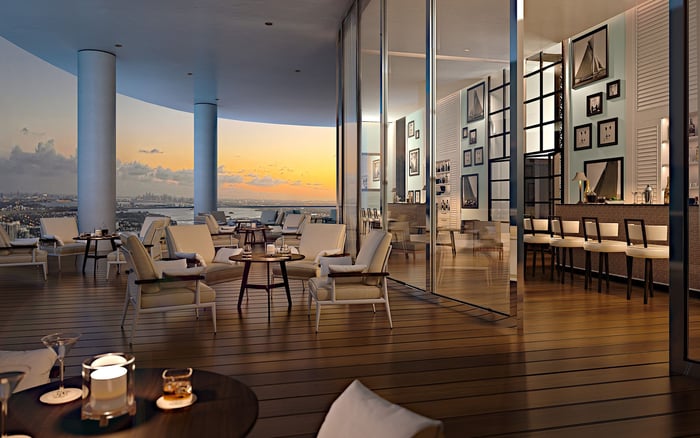
At St. Regis® Residences Brickell, advertised in-residence dining promises convenience, not a substitute for an independent household. A practical guide to kitchen planning, service boundaries, entertaining and seasonal arrivals.
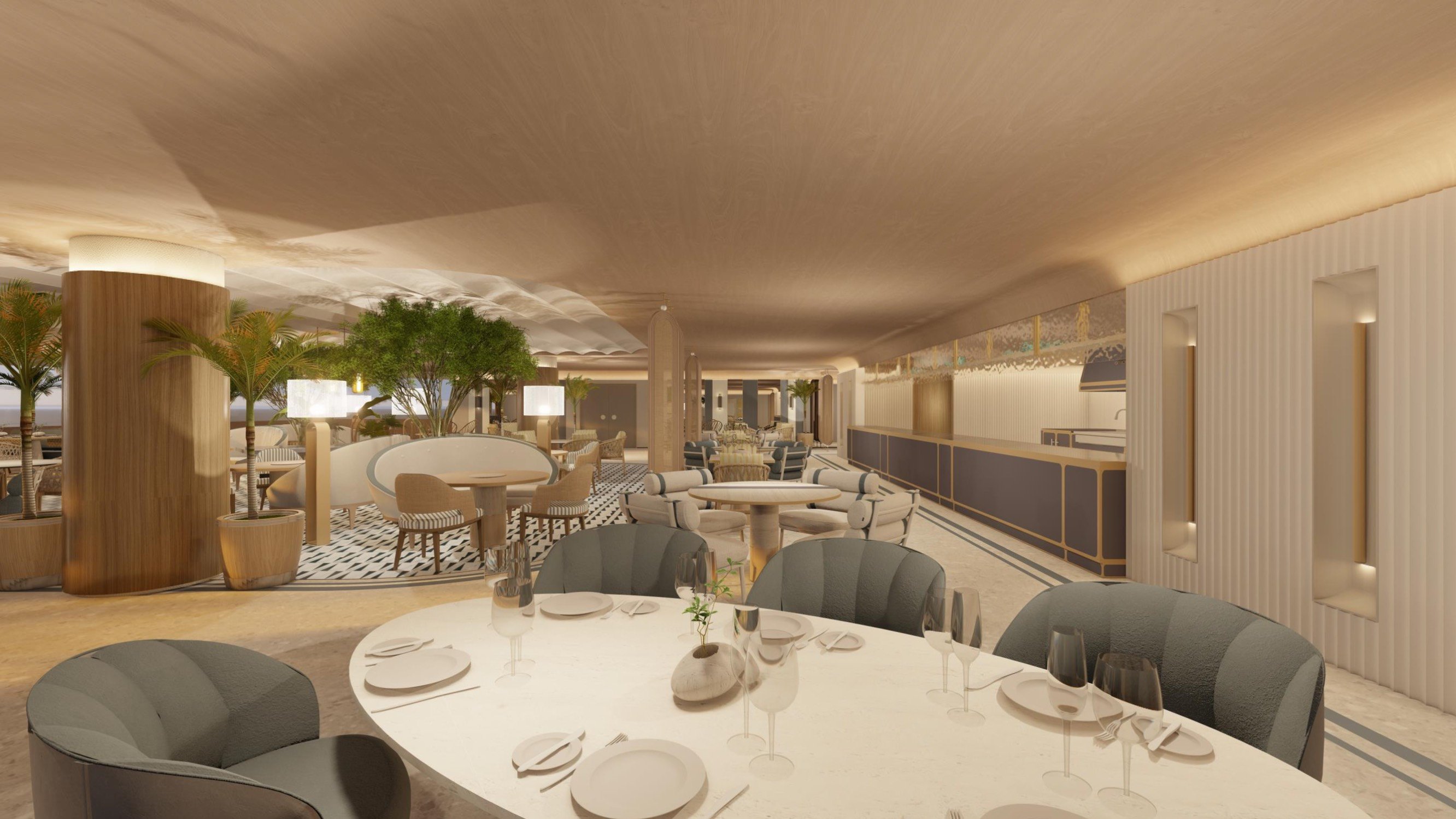
The most useful luxury is not having to think about dinner. The more durable luxury is knowing dinner remains effortless when a restaurant is closed, a child wants something simple or a late arrival falls outside delivery hours. At St. Regis® Residences Brickell, the sensible approach is to plan a self-sufficient household, then use advertised dining services to make daily life more pleasurable.
Planned at 1809 Brickell Avenue in South Brickell by Related Group and Integra Investments, the development is described as an approximately 50-story tower with 152 residences. Delivery is estimated for 2027; that is not a guaranteed occupancy date. Buyers should confirm specifications and timing against current purchase documents rather than commit to an irreversible move around an estimate.
The household strategy has three parts: an independent kitchen for daily essentials, optional in-residence dining for convenience, and separately arranged service for hosted occasions. Each should work without assuming the others are available.
The advertised program includes an on-premises fine-dining restaurant by Michelin-starred chef Fabio Trabocchi, St. Regis butler service, in-room dining and a separately listed catering kitchen. These are complementary offerings, not interchangeable commitments.
A restaurant does not automatically establish the menu delivered upstairs. A catering kitchen does not establish residents’ right to reserve it. Butler service does not establish who cooks, delivers or clears a meal. Nor should advertised 24-hour concierge service be read as round-the-clock food service.
Before relying on any offering, request written clarification of restaurant hours, resident reservation access, in-residence delivery windows, minimum orders and closure arrangements. Establish whether dining operates directly through the restaurant or through another service arrangement, and what happens when the preferred option is unavailable.
For buyers also considering Cipriani Residences Brickell, the same questions provide a disciplined basis for comparison. Compare documented operating commitments, not the expectations a name may evoke.
Do not let anticipated service diminish the attention paid to refrigeration, freezer space, pantry storage or everyday preparation. Assess the selected residence’s actual plans and specifications against the household’s habits: breakfasts, children’s snacks, dietary alternatives and meals after travel.
Keep enough familiar provisions for several days without building-provided meals. That is a planning recommendation, not an advertised building standard. The right inventory is personal: dependable breakfast ingredients, a few freezer meals, suitable snacks and staples that accommodate everyone who regularly stays in the residence.
Walk through an ordinary day before deciding whether the layout works. Can one person prepare breakfast while another unpacks groceries? Is there a practical place to receive a delivered meal without turning the dining table into a staging area? Can containers and serving pieces be stored discreetly?
These questions remain useful when viewing Una Residences Brickell or another residence on a broader shortlist. They test the home itself without assuming equivalent services elsewhere.
Butler assistance is described as extending to in-residence dining and other household requests, while housekeeping is advertised separately. Buyers should clarify how those functions meet inside the home. Ordering, table setting, food delivery, clearing and washing up are distinct tasks; none should be left undefined under the phrase full service.
Request a simple written account of responsibility from order to cleanup. Confirm where meals are received, whether staff may enter while residents are away, how access is authorized and who handles used trays or service pieces. Households with private staff should also establish how their employees coordinate with building personnel.
Dietary requirements deserve their own conversation. Ask about ingredient disclosure, substitutions, allergy protocols and the ability to accommodate recurring preferences. Do not assume a fine-dining kitchen can meet every medical or family requirement. Maintain appropriate alternatives and verify permissions for outside chefs, caterers and meal-delivery services.
The advertised catering kitchen raises a useful question; it is not an automatic entertaining solution. Confirm whether residents may reserve it, who may operate it, what staffing is required and whether it supports private events inside residences or designated communal spaces.
For a hosted dinner, establish guest limits, booking procedures, private-room access, outside-catering permissions and corkage before sending invitations. Request a complete proposal covering preparation, service, cleanup and any applicable charges. A restaurant reservation, a delivered dinner and a catered occasion each require their own arrangements.
Bayfront pools and wellness facilities broaden the advertised lifestyle, while a children’s entertainment room and guest suites may matter to visiting families. Their presence does not establish permission to serve meals or hold events there. Confirm the rules for the particular gathering rather than treating every amenity as an extension of the dining room.
Seasonal ownership makes the first evening especially revealing. A flight delay should not leave the residence without breakfast or a suitable late meal. Ask whether pre-arrival grocery stocking, pantry replenishment and expired-food disposal can be arranged, who performs them and how they are charged.
Maintain an arrival checklist with household preferences, dietary restrictions and approved substitutions. If someone will receive groceries before arrival, confirm access, refrigeration and responsibility for checking the delivery. For departure, specify what may remain and what should be removed.
Keep these arrangements separate from restaurant availability. Guest suites and family visits may change the number of people needing meals, but should not change the household’s ability to manage essentials independently.
Some advertised service categories, including Signature Services, St. Regis Rituals and Special Occasions Planning, are described as included in common-area assessments. That does not establish that meals, beverages or every requested service are included. Request a current fee schedule and clarify food charges, delivery fees, service charges, gratuities, taxes and event-related costs.
St. Regis traditions such as afternoon tea, signature Bloody Marys and midnight suppers contribute to the residential identity. They should not become assumptions about daily meal coverage or unrestricted availability. The advertised dining concepts do not constitute a complete operating agreement or guaranteed response standard.
The strongest household plan leaves room for spontaneity without requiring it. Keep the kitchen capable, the service arrangements explicit and entertaining separately organized. Then in-residence dining can remain what it should be: a welcome choice rather than a dependency.
Explore a more considered approach to South Florida residential living with MILLION.
If branded residences are on your mind — as a home or as an allocation — we would be glad to share what we are seeing, privately.
Begin a quiet conversationThe development is planned at 1809 Brickell Avenue in South Brickell, with Related Group and Integra Investments as developers.
No, the published 2027 timing is an estimate. Buyers should confirm current timing against purchase documents.
Yes, project marketing lists in-room dining and St. Regis butler service. Those listings do not establish unlimited meals or delivery availability.
No, advertised 24-hour concierge service is distinct from a confirmed round-the-clock food-service commitment.
An on-premises fine-dining restaurant by Michelin-starred chef Fabio Trabocchi is part of the advertised amenity program.
The inclusion of certain advertised service categories does not establish that food or beverages are included. Buyers should obtain the current fee schedule and written clarification.
Yes, the recommended approach is to keep sufficient kitchen capacity and provisions for several days without building-provided meals.
A catering kitchen is advertised, but resident reservation rights and operating arrangements are not established by that listing. Confirm access, staffing requirements and permitted uses.
Ask about ingredient disclosure, substitutions and allergy protocols before relying on dining services. Keep suitable alternatives available independently.
Buyers should verify whether pre-arrival stocking and pantry replenishment are available, who handles them and whether separate charges apply.