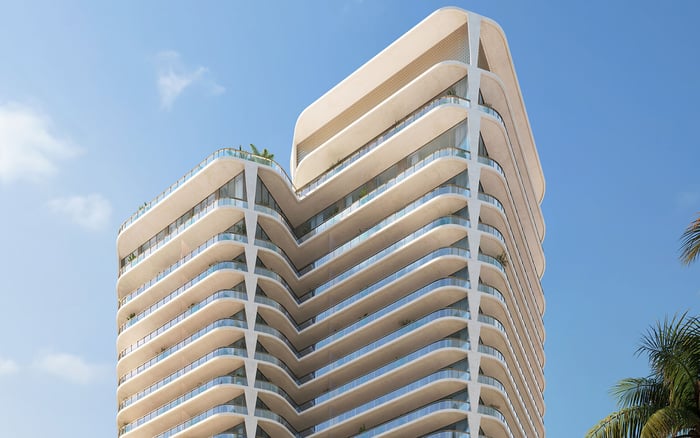
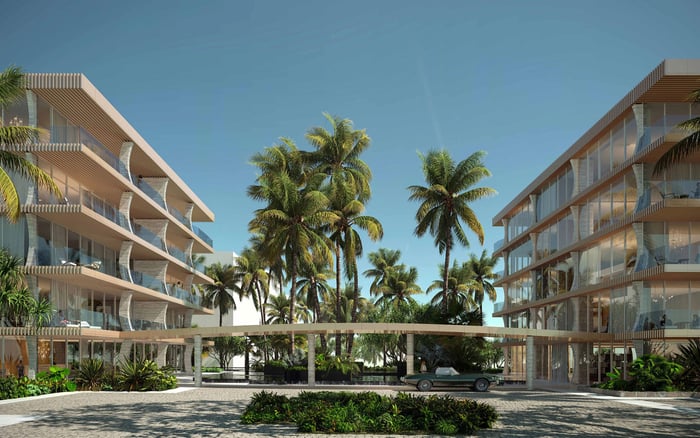
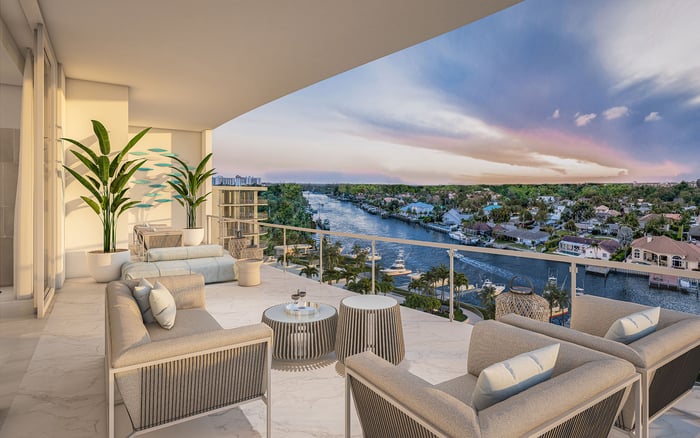
A primary-residence framework for comparing South Flagler House and Nora House, from daily functionality and amenities to resilience, insurance, residency, and due diligence.
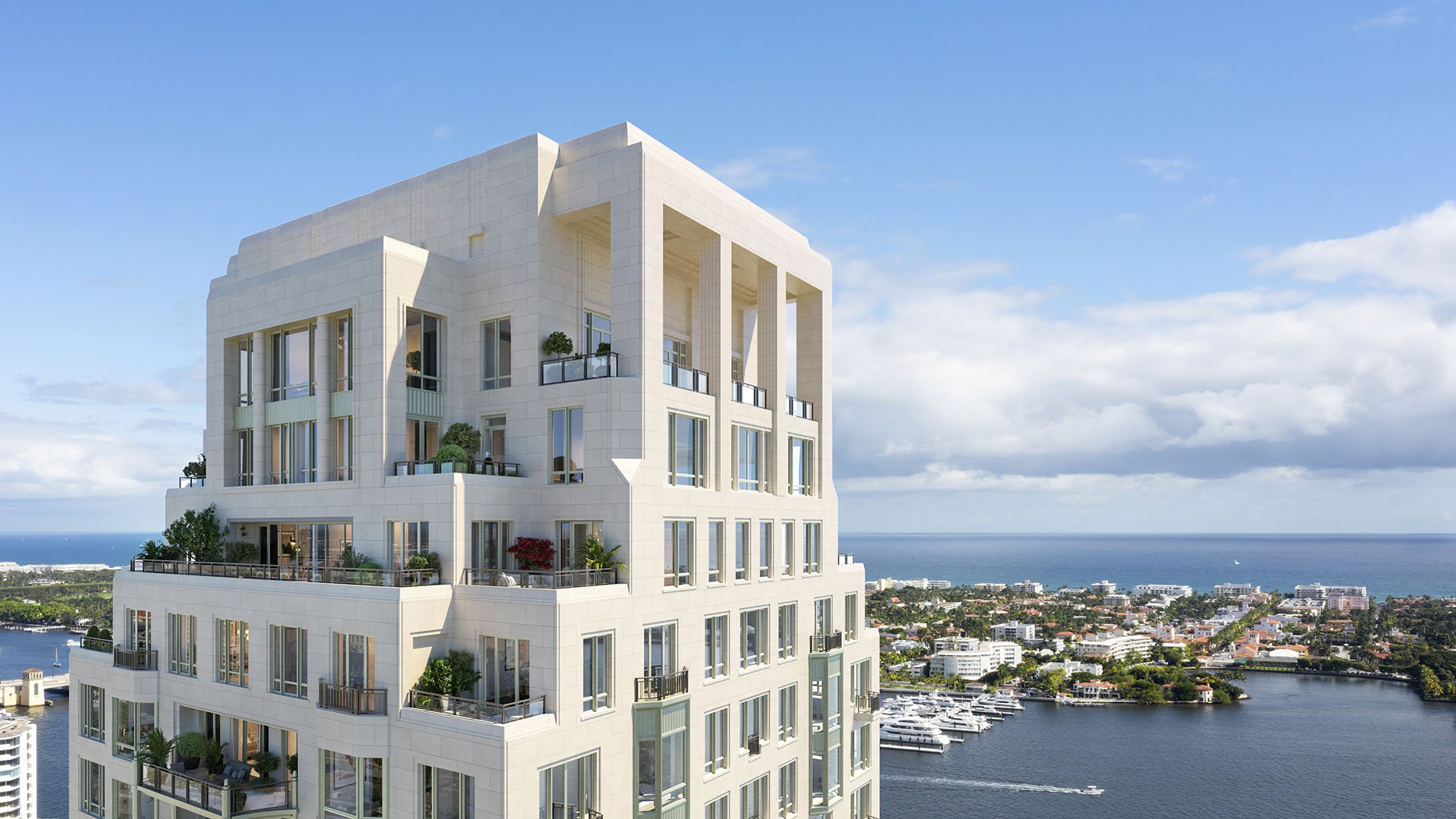
For buyers considering West Palm Beach as a primary base, the decisive question is not whether a residence performs beautifully during a short stay. It is whether the home, building, and surrounding neighborhood can support year-round life with consistency, privacy, and ease.
Buyers evaluating South Flagler House West Palm Beach should place practical considerations alongside architecture and presentation: storage, service, infrastructure, everyday comfort, and the usability of amenities throughout the year.
Nora House West Palm Beach belongs in the same buyer conversation, but it should be assessed through its own verified documents and current disclosures. A rigorous buyer's-guide approach avoids assuming that two residences in the same city offer equivalent ownership structures, services, costs, or timelines.
For a primary-home buyer, architecture, lifestyle, location, operations, and ownership terms must converge into one coherent proposition.
A seasonal residence can tolerate compromises that become conspicuous after several months. Full-time buyers should determine whether floor plans accommodate ordinary routines as gracefully as entertaining. Consider circulation, separation between private and social spaces, storage capacity, work-from-home needs, guest privacy, and the relationship between indoor and outdoor areas.
Architecture and interiors deserve the same scrutiny. Visual distinction matters, but so do durability, intuitive layouts, comfortable proportions, and materials suited to regular use. Buyers should review plans in the context of their actual furnishings and habits-not an idealized weekend.
Service is equally consequential. The relevant issue is not the length of the amenity menu, but whether building operations can deliver the consistency expected of a primary home. Staffing expectations, access procedures, package handling, maintenance coordination, guest protocols, and resident support should all be clarified in writing where possible.
The most revealing comparison begins with a typical weekday. How easily can residents leave for meetings, receive guests, manage deliveries, exercise, work privately, and return home without friction? Families may need to map school routines, household staffing, healthcare access, pet needs, and recurring services. Professionals should examine connectivity, building services, transportation, and access to regular destinations.
Amenity programming also takes on greater significance for full-time residents. Spaces that photograph well may not function equally well at peak times or throughout the year. Buyers should ask about access, operating hours, reservation systems, guest policies, staffing, maintenance, and any limits that could affect routine use.
The broader comparison set can help sharpen priorities. Forté on Flagler West Palm Beach and The Ritz-Carlton Residences® West Palm Beach may help buyers frame questions about space, service, location, and the ownership experience. They should not be treated as substitutes without a review of their respective plans, disclosures, costs, and availability.
A successful full-time purchase extends beyond the property line. Buyers should evaluate the surrounding West Palm Beach neighborhood at different hours and across different seasons. Access to work, dining, cultural activities, daily shopping, healthcare, transportation, and preferred social routines may matter more over time than an impressive arrival sequence.
The practical value of any location depends on the buyer's personal calendar. A family, a professional, and a buyer maintaining several homes may place very different weight on commute patterns, privacy, services, and mobility.
This is where lifestyle becomes measurable. Buyers can map a representative week, identify every recurring destination, and test how effectively the residence supports those movements. The result is a more reliable assessment than one based on a sales presentation alone.
South Florida ownership demands careful attention to climate exposure and building resilience. Buyers should review disclosed resilience features, emergency systems, storm procedures, water management, backup capabilities, and the allocation of maintenance responsibilities. Technical questions should be directed to qualified legal, engineering, insurance, and construction advisers.
Insurance costs and availability are material to long-term ownership. A prudent review should address coverage requirements, deductibles, exclusions, association policies, owner policies, and the potential effect of changing premiums. Waterfront positioning can be highly desirable, but it should be evaluated alongside exposure, insurability, and the building's disclosed protective measures.
The objective is not to reduce a residence to a risk calculation. It is to ensure that the purchase is supported by an ownership plan capable of absorbing real-world conditions.
Before signing, buyers should obtain current information on pricing, floor plans, residence availability, sales progress, deposit schedules, completion timing, association charges, insurance obligations, and any use restrictions. These details are subject to change and require direct verification.
The financial review should extend beyond the purchase price. Recurring charges, reserves, insurance, staffing expectations, maintenance, taxes, and professional services all shape the annual cost of ownership. Buyers intending to establish Florida residency should also seek individual tax and legal advice, as residency outcomes depend on personal circumstances and documented actions.
For South Flagler House and Nora House, the strongest decision will result from matching verified project terms with a clearly defined full-time routine. Prestige opens the conversation; operational fit, resilience, and long-term clarity should close it.
Is South Flagler House intended only for seasonal owners? Buyers should assess the residence against their full-time needs and verify all current project terms rather than assume it is suited only to seasonal use.
How should buyers approach Nora House? Review its current plans, disclosures, services, costs, timing, and availability directly rather than assuming parity with another development.
What makes a luxury residence suitable for full-time living? Primary-home comfort, practical layouts, storage, dependable service, infrastructure, and consistently usable amenities are central considerations.
Should architecture be evaluated differently for a primary home? Yes. Buyers should weigh durability, circulation, privacy, proportions, and everyday usability alongside visual impact.
Why does amenity programming matter? Full-time residents rely on amenities repeatedly, making hours, staffing, reservations, maintenance, and guest rules materially important.
What should families prioritize? Families should assess whether the residence and neighborhood support schooling, healthcare, household services, pets, guests, and year-round routines.
What should professionals examine? Connectivity, workspace, building support, access procedures, transportation, and proximity to recurring destinations warrant close review.
How important are resilience features? They are a core diligence issue in South Florida and should be reviewed with qualified advisers using current project documentation.
What insurance questions should be asked? Buyers should examine availability, coverage requirements, deductibles, exclusions, association policies, owner policies, and exposure to changing premiums.
Which commercial terms require direct confirmation? Confirm pricing, floor plans, availability, sales progress, fees, deposits, completion timing, insurance obligations, and use restrictions before purchase.
For a tailored shortlist and next-step guidance, connect with MILLION.
If branded residences are on your mind — as a home or as an allocation — we would be glad to share what we are seeing, privately.
Begin a quiet conversation