A buyer-focused guide to the distinct rental frameworks in Miami Beach, Brickell, and Fort Lauderdale, with essential checks before treating a luxury residence as an income-producing asset.
A South Florida residence can serve as a private retreat, a seasonal base, or an income-producing asset. Those roles are not interchangeable. Before assigning rental income to an oceanfront apartment or an urban pied-à-terre, establish whether the intended rental pattern is lawful at that exact address and permitted within the building.
Miami Beach, Brickell, and Fort Lauderdale require different starting points. Miami Beach combines property-type prohibitions with address-specific zoning and district provisions. Brickell falls under City of Miami zoning, where lodging permissions matter. Fort Lauderdale operates a registration and compliance framework for qualifying vacation rentals. None of these frameworks replaces a review of condominium documents.
For a luxury buyer, rental flexibility is a property attribute to document, not an assumption attached to location, branding, or amenities. A residence can be compelling for personal use without supporting the rental strategy contemplated in its purchase price.
Miami Beach prohibits rentals shorter than six months and one day in single-family homes and certain multifamily residential buildings. That restriction does not apply identically to every property citywide. The distinction matters: neither a blanket assertion that short stays are prohibited nor a broad promise that they are permitted is sufficient.
The first inquiry is the property's zoning and authorized use. Where short-term rentals are eligible, applicable zoning approval, authorization, and a Business Tax Receipt remain part of the compliance review. A favorable location alone does not resolve those requirements.
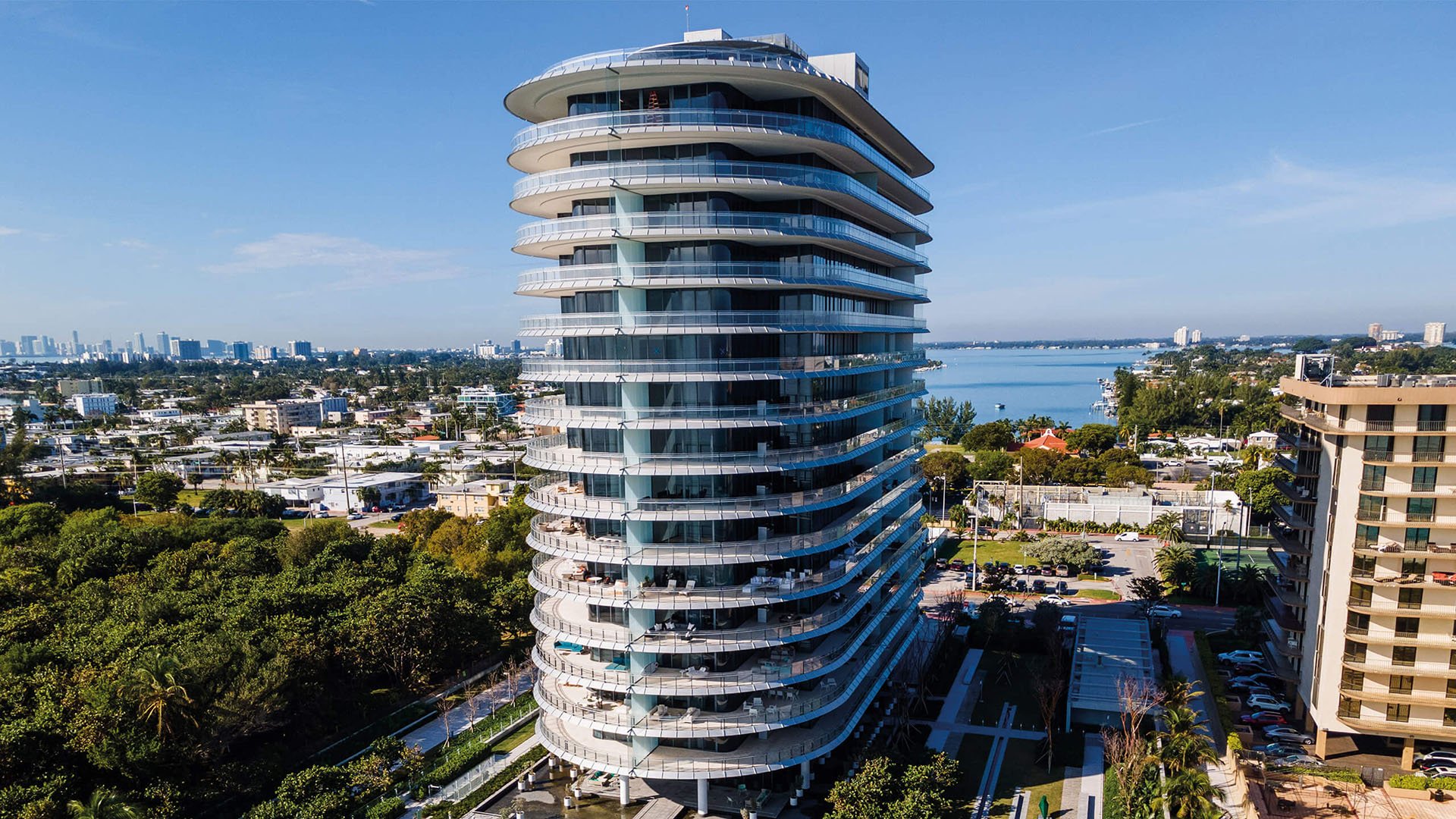
A buyer considering The Perigon Miami Beach should therefore separate the residential purchase decision from any proposed rental program. Its inclusion here is a starting point for property-specific diligence, not a statement that short-term rentals are authorized there.
District-specific provisions add further distinctions. For qualifying rentals, these provisions include a certificate-of-use application and a $600 application fee. They also provide that a qualifying unit may not be rented more frequently than once every seven days and permit rental of an entire legally created apartment or townhome, rather than individual rooms or portions of a unit.
Those details do not confer citywide permission to operate. They apply under particular ordinance provisions; current applicability, fees, exemptions, and effective dates require confirmation before a buyer relies on them.
For rentals covered by these provisions, an authorized supervising owner, manager, licensed broker, or agent must be available 24 hours a day, seven days a week. That person must also live on-site or maintain a principal office or residence within the applicable districts. Exterior signs advertising short-term rentals are prohibited under these provisions.
These requirements make management arrangements a substantive diligence item. Before projecting revenue, establish who would supervise the rental, where that person is based, and whether the proposed arrangement satisfies the applicable rules. Test a management proposal against the property's actual authorization; do not treat it as a substitute for authorization.
For an owner who expects to spend extended periods elsewhere, that operational review belongs alongside the review of building documents and municipal approvals.
Brickell is not governed by Miami Beach's rental framework. Its municipal starting point is City of Miami zoning, which permits short-term rentals only in transect zones allowing lodging as a use. First establish whether the property's zoning allows lodging, then determine whether the particular building and unit have the necessary permissions.
That distinction should guide comparisons involving 2200 Brickell or The Residences at 1428 Brickell. Neither a Brickell address nor a project's positioning establishes a right to offer short stays. Each prospective purchase requires its own document review.
Keep municipal eligibility, the certificate of occupancy, condominium declarations, and association rules as separate checks. A favorable zoning conclusion does not settle the others. Conversely, a statement about building rental flexibility is not evidence that the intended use has municipal authorization.
Ask for written confirmation tied to the actual unit and intended rental pattern. General neighborhood comparisons cannot replace that specificity, and this overview does not establish permission on a building-by-building basis.
Fort Lauderdale requires registration for qualifying vacation rentals, including advertised stays of 30 days or less in covered residential properties. Potentially covered properties include single-family, two-family, three-family, and four-family houses or dwelling units, as well as condominiums. Buyers should not assume the program concerns detached homes alone.
The ordinance framework requires registration and a certificate of compliance before a covered property is offered or occupied as a vacation rental. Offering or operating without those requirements is unlawful under that framework. The sequence matters: compliance comes before the offering stage, not simply before the first guest arrives.
When evaluating Andare Residences Fort Lauderdale, maintain the same distinction between municipal requirements and private building restrictions. Inclusion here does not establish the project's rental eligibility.
The ordinance provisions also specify a transient-occupancy limit of two persons per sleeping room for covered vacation rentals. Confirm the current occupancy standard, registration requirements, exemptions, and applicable approvals before planning guest capacity or accepting reservations.
A useful acquisition file should answer four distinct questions: Is the intended use allowed by zoning? Does the property's authorized occupancy support it? Do the condominium declaration and association rules permit the proposed rental pattern? Have the applicable municipal authorizations been secured?
Resolve these questions together, but do not collapse them into one. A Business Tax Receipt does not replace the full review; nor does association consent establish zoning eligibility. Request documents that identify the property and explain the permitted use, rather than relying on a general description of rental potential.
Where an income assumption materially affects the purchase decision, have qualified counsel review the current requirements before relying on it.
The most useful comparison is not which city sounds most permissive. It is which specific residence can lawfully accommodate the owner's intended calendar, with the necessary approvals and a workable management arrangement.
Keep personal-use value separate from rental income until those checks are complete. This preserves a clear view of what is being purchased: a home, a compliant rental opportunity, or both. Current fees, occupancy standards, exemptions, and effective dates must be confirmed before action.
For a discreet conversation about aligning a South Florida residence with your ownership priorities, connect with MILLION.
If branded residences are on your mind — as a home or as an allocation — we would be glad to share what we are seeing, privately.
Begin a quiet conversationNo. It prohibits rentals shorter than six months and one day in single-family homes and certain multifamily residential buildings; eligibility elsewhere depends on the address, zoning, and applicable provisions.
Applicable zoning approval, authorization, and a Business Tax Receipt are required. Qualifying rentals under particular district provisions also involve a certificate-of-use application.
No. That fee applies under particular certificate-of-use provisions for qualifying rentals, and its current applicability and amount should be confirmed.
Not under the district-specific provisions discussed here. Those provisions are not a universal rental rule or permission for every Miami Beach property.
Those provisions allow an entire legally created apartment or townhome to be rented, not individual rooms or portions of a unit.
City of Miami zoning rules apply, not Miami Beach's framework. Short-term rentals are permitted only in transect zones allowing lodging as a use.
No. Condominium declarations, association rules, certificates of occupancy, and municipal approvals require separate review.
Covered properties can include single-family through four-family houses or dwelling units and condominiums. The program includes qualifying rentals advertised for stays of 30 days or less.
Registration and a certificate of compliance are required before the property is offered or occupied as a vacation rental under the ordinance framework discussed here.
These provisions specify two transient occupants per sleeping room for covered vacation rentals. Confirm the current standard and its applicability before planning guest capacity.