A buyer-focused guide to understanding how oceanfront condo-hotel ownership, bayfront branded residential living, and hotel-residence considerations differ across Miami Beach waterfront property decisions.

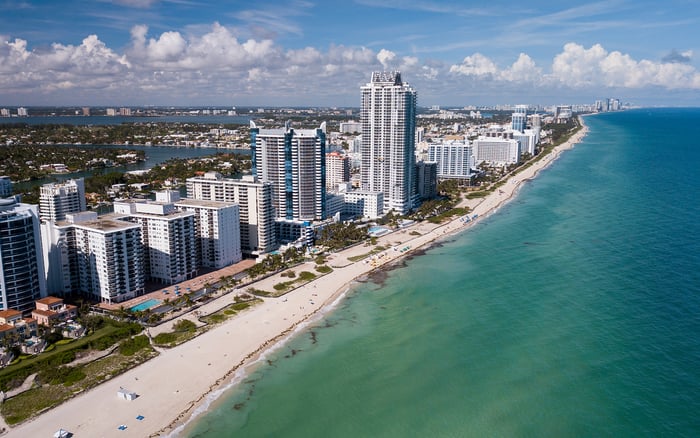
For affluent buyers, Miami Beach can appear to be a single waterfront proposition: water, views, service, and scarcity. In practice, the ownership experience can differ sharply from one property to the next. Oceanfront, bayfront, hotel-residence, branded residential, and marina-oriented properties each carry distinct lifestyle, governance, rental, insurance, and maintenance implications.
That distinction matters when comparing Setai Residences Miami Beach, The Ritz-Carlton Residences® Miami Beach, and Delano Residences & Hotel Miami. The names occupy a shared world of elevated hospitality and waterfront prestige, but the buyer questions are more precise: How is the building operated? What is the relationship between private ownership and service? How exposed is the asset to coastal costs? Is the view primarily a lifestyle feature, a boating utility, a rental advantage, or all three?
For the right buyer, these nuances are not technicalities. They are the difference between a residence that feels effortless and one that does not match the owner’s intended use.
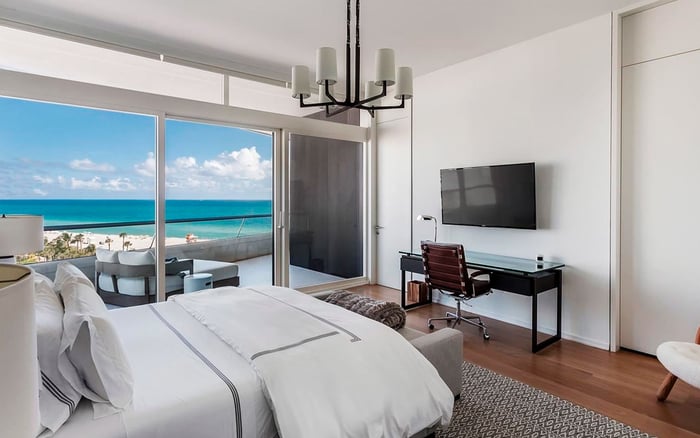
Setai Residences Miami Beach is best understood as an oceanfront condo-hotel model that combines private condominium ownership with luxury hotel services. That structure appeals to buyers who want beachfront access, resort-style service, and potential flexibility through a hotel rental program. It is not simply a private apartment building with amenities. The owner experience is closely tied to hotel operations, service consistency, guest activity, and the broader resort environment.
The physical identity also matters. Setai integrates a modern glass residential tower with renovated Art Deco-style historic fabric, giving it a layered character that differs from a conventional large-brand hotel tower. Its positioning is Asian-inspired, wellness-oriented, and spa-centric. Buyers drawn to Setai are often responding to atmosphere as much as square footage: calm interiors, curated hospitality, direct beach energy, and an established resort rhythm.
The tradeoff is that oceanfront ownership comes with the classic strengths and realities of Miami Beach. Direct beach access and oceanfront positioning can be powerful value drivers, but they also sit within a coastal-risk and insurance context. Buyers should examine association documents, reserve planning, insurance coverage, maintenance standards, and long-term resilience planning before treating the beach as a pure lifestyle premium.
The Ritz-Carlton Residences® Miami Beach occupies a different waterfront category. It is framed as a bayfront branded residences property rather than a traditional hotel-condominium. That distinction changes the daily experience. Instead of an active beach resort setting, the ownership profile is quieter, more residential, and more closely aligned with privacy, protected-water views, and boating access.
For many buyers, the central question is whether they want the beach at their doorstep or a calmer bayfront setting with marina utility. The Ritz-Carlton Residences® Miami Beach is associated with marina access and a boating-oriented waterfront lifestyle, which can be more useful for owners who measure waterfront value by ease of movement on the water rather than immediate sand adjacency.
Brand equity also plays a role. The Ritz-Carlton name can shape expectations for service consistency, management quality, and resale appeal. Yet this is not the same as buying into an active hotel-resort rental model. The property is better positioned for buyers prioritizing residential privacy and boating than for those seeking a hospitality-forward rental environment.
The inclusion of Delano Residences & Hotel Miami in a buyer’s search introduces another important question: how should one compare a hotel-residence concept with Miami Beach waterfront ownership models when the details of use, management, rental permissions, and governance may differ by project documentation?
The prudent answer is to focus less on the brand name alone and more on the ownership instrument. A buyer considering Delano alongside Setai and The Ritz-Carlton Residences® Miami Beach should review whether the property is structured around hotel operations, private residential use, rental participation, or some blend of those categories. The decision is not merely aesthetic. It affects privacy, guest traffic, owner access, service costs, and potential income flexibility.
In this sense, Delano belongs in the conversation as a reminder that hospitality language can mean different things across properties. A hotel-residence may feel aligned with a resort lifestyle, while a bayfront branded residence may operate with a more private cadence. Both can be luxurious, but they do not necessarily solve for the same owner.
The most useful way to compare Setai and The Ritz-Carlton Residences® Miami Beach is not better versus worse. It is beach-resort living versus marina-oriented residential living.
At Setai, the waterfront value is tied to direct oceanfront presence, resort amenities, hotel services, and the sensory immediacy of Miami Beach. Owners who want to arrive, surrender to service, and live within a polished hospitality setting may find that model compelling. Potential hotel-rental-program flexibility can also be relevant, though buyers should always study the governing documents and operating terms carefully.
At The Ritz-Carlton Residences® Miami Beach, the value proposition leans toward bayfront privacy, protected-water views, brand-managed expectations, and boating utility. For owners with a yacht, a preference for calmer water, or a desire to be near Miami Beach without living inside a beach-club atmosphere, the bayfront residential model can be more intuitive.
This is why waterfront ownership should be evaluated through use case first. Weekend retreat, primary residence, seasonal base, rental-oriented holding, boating platform, wellness retreat, and family residence all point to different answers.
Ultra-premium buyers sometimes focus first on finishes, view corridors, and brand cachet. Those details matter, but waterfront ownership in Miami Beach demands a more disciplined review.
Start with association governance. How are decisions made, what costs are shared, and how much control do owners have over operational priorities? In a hospitality-forward property, the relationship between residential ownership and hotel operations deserves particular attention. In a branded residential property, buyers should understand the service model, management responsibilities, and how brand standards are maintained over time.
Next, examine maintenance obligations and insurance exposure. Oceanfront properties can face different wear, capital planning, and coastal resilience considerations than bayfront buildings. Bayfront ownership, particularly where boating is part of the lifestyle, brings its own infrastructure questions. The waterfront premium should always be viewed alongside the long-term cost of preserving that premium.
Finally, clarify rental and usage rights. Setai’s condo-hotel context may appeal to buyers who want potential hotel-rental-program flexibility, while The Ritz-Carlton Residences® Miami Beach is better aligned with residential privacy and boating. Those are materially different ownership philosophies.
Visitors tend to compare Miami Beach properties by arrival sequence: lobby, restaurant, spa, pool, beach, view. Owners should compare them by structure: title, governance, service model, insurance, reserves, rental rights, maintenance, and future resilience.
That framework also helps when looking beyond the three names in this discussion. Other Miami Beach projects, including The Perigon Miami Beach and Shore Club Private Collections Miami Beach, may sit within the same broader luxury conversation, but each property still needs to be read through its own documents, operations, and waterfront setting.
For buyers at this level, the best purchase is rarely the most obvious trophy. It is the residence whose structure aligns with how the owner actually lives.
Is Setai Residences Miami Beach a traditional condominium? Setai is best understood as an oceanfront condo-hotel model combining private condominium ownership with luxury hotel services.
Who is Setai best suited for? It may suit buyers who want resort-style service, direct beach access, wellness-oriented amenities, and potential hotel-rental-program flexibility.
How is The Ritz-Carlton Residences® Miami Beach different? It is positioned as a bayfront branded residential property rather than a traditional hotel-condominium.
Is bayfront ownership less valuable than oceanfront ownership? Not necessarily. Bayfront ownership can offer privacy, protected-water views, and marina utility, while oceanfront ownership offers direct beach adjacency.
Why does marina access matter? Marina access can make the property more compelling for buyers who prioritize boating and protected-water convenience.
Does brand matter for resale? Brand equity can influence expectations for service consistency, management quality, and resale appeal, though it is not a substitute for due diligence.
What should buyers review before purchasing waterfront property? Buyers should review association governance, maintenance obligations, insurance exposure, rental rules, and resilience planning.
Is a condo-hotel better for rental flexibility? A condo-hotel may offer potential rental-program flexibility, but the exact rights and obligations must be confirmed in the governing documents.
How should Delano be evaluated in this comparison? Buyers should focus on the ownership structure, hotel operations, usage rights, and governance rather than relying on the brand name alone.
What is the key difference between Setai and The Ritz-Carlton Residences® Miami Beach? Setai points toward beach-resort living, while The Ritz-Carlton Residences® Miami Beach points toward bayfront privacy and boating-oriented residential living.
If you'd like a private walkthrough and a curated shortlist, connect with MILLION.
If branded residences are on your mind — as a home or as an allocation — we would be glad to share what we are seeing, privately.
Begin a quiet conversation