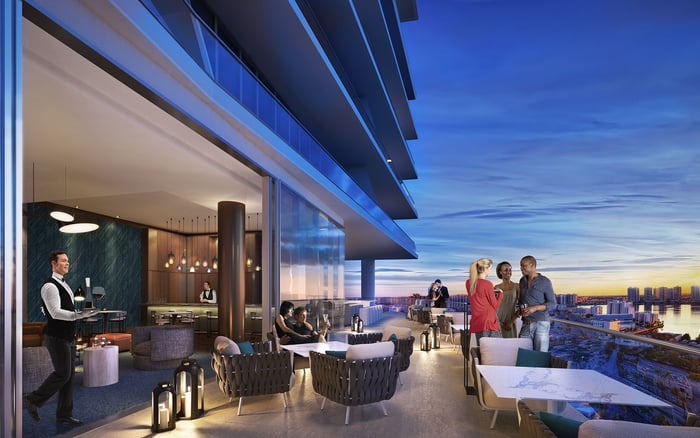
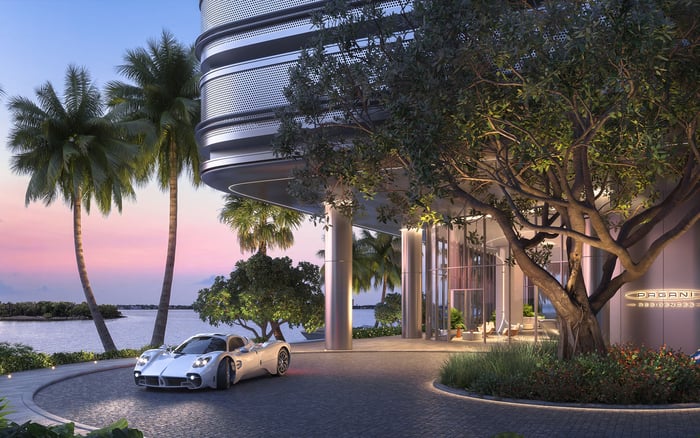
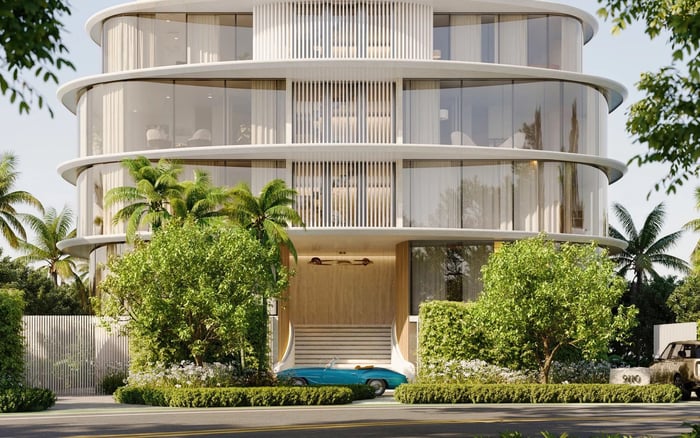
For Aventura buyers, an amenity inventory is only the beginning. Peak-period observation, reservation rules and staffing schedules offer a more useful way to judge whether a residence can support the lifestyle it promises.
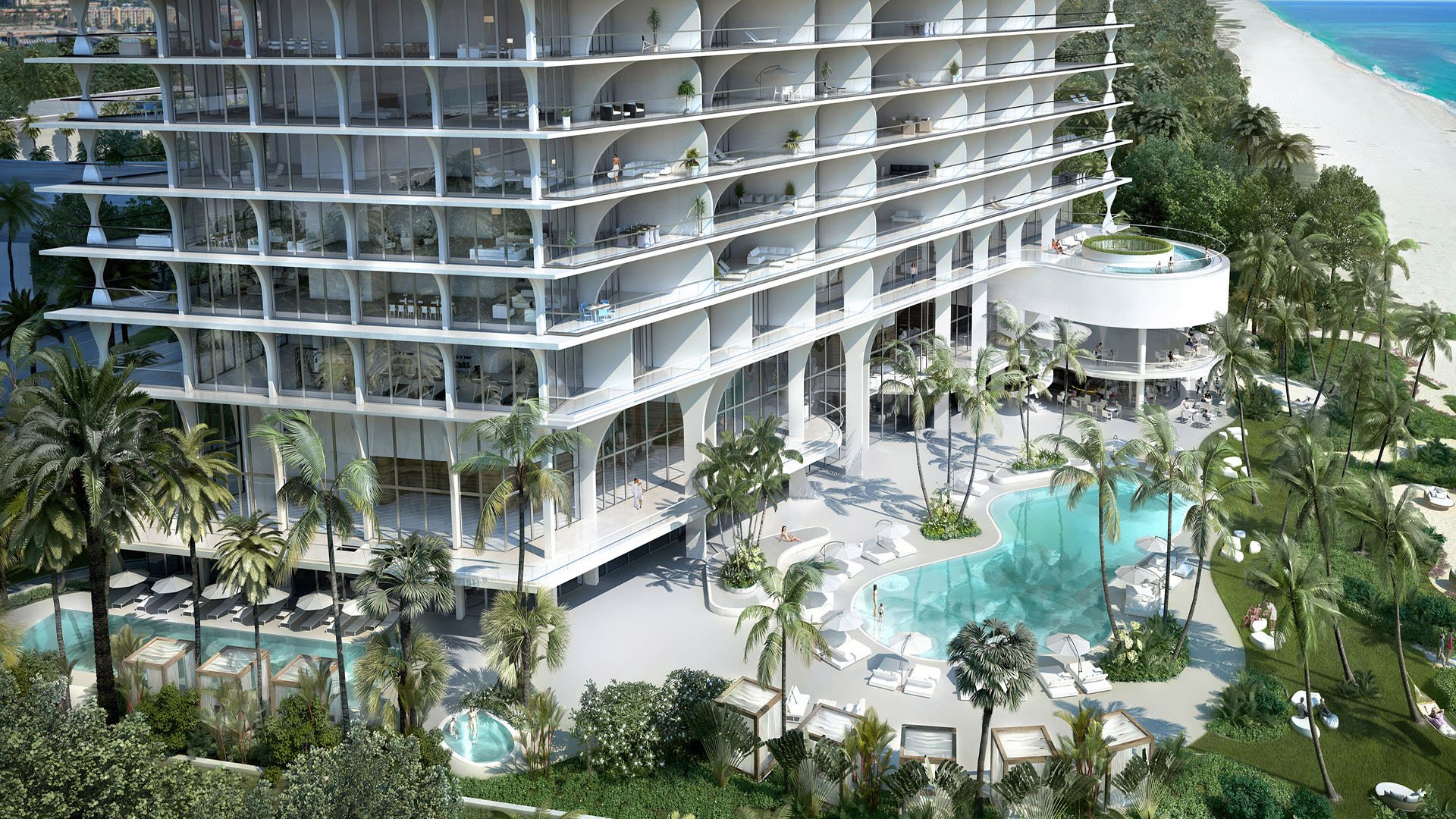
A private court, a waterfront pool and an attentive arrival experience belong naturally in the vocabulary of luxury living. Yet an amenity list answers only the first question: what exists? For an Aventura buyer, the more consequential question is whether those facilities and services are available when the household intends to use them.
The most useful residence-management strategy is to test access during busy winter and holiday periods, not infer it from photographs or facility counts. A quiet viewing can establish atmosphere, but not peak-period performance. Luxury is not simply the presence of an amenity; it is the ability to use it with reasonable predictability.
For buyers considering Avenia Aventura alongside other local options, that principle provides a consistent due-diligence framework. Where operations can be observed, examine them directly. Where they cannot, distinguish proposed service arrangements from demonstrated performance.
At Porto Vita, the amenity offering includes heated pools with poolside food and bar service, tennis courts, a fitness center, an international spa and beauty salon, and formal and casual dining. Each element raises a different operational question. Pool service depends on more than water and seating; spa access depends on more than treatment space; court availability depends on more than the number of courts.
At Aventura Marina, the offering includes 24-hour security, valet parking, concierge services and on-site management, together with a fitness center, spa and sauna, heated pool and Jacuzzi, marina, and clubhouse with billiards and a card room. These offerings establish the advertised scope, not the availability of every service at every hour. In particular, 24-hour security should not be read as a promise of round-the-clock coverage for other services.
Neither inventory establishes congestion or spare capacity. The buyer's task is to translate each personally important amenity into an access question, then seek an answer supported by schedules, rules and observation.
Begin with the household's intended routine. A morning swimmer, an afternoon tennis player and an owner entertaining visiting family need different evidence. Identify the few services whose unavailability would materially change your experience, rather than giving every advertised feature equal weight.
Ask management which winter and holiday periods are busiest, and arrange permitted visits across more than one relevant period. Include the times you would actually arrive, exercise, dine or entertain. A single busy afternoon can reveal questions worth pursuing, but should not become a verdict on an entire season.
Keep a simple observation record:
Note the date, time, service hours and simultaneous users where observable.
Record average and longest waits across the requests you can legitimately observe.
Ask about unavailable bookings, waitlists and acceptable alternative times.
Note service interruptions and how staff communicate or resolve them.
Separate direct observations from management explanations and resident recollections. A brief wait deserves context: was it associated with an unusual event, a scheduled closure or ordinary demand? Respect resident privacy and request aggregate information rather than personal booking details.
Ratios such as courts, parking spaces and boat slips per residence can help organize a comparison. They cannot explain how many households want access at the same time, how long each use lasts or whether booking rules distribute access fairly.
For tennis, ask whether reservations are required, how far ahead bookings open, whether consecutive sessions are limited and how canceled slots become available again. Review guest participation and any priority arrangements. Judge a reservation system by its rules and outcomes, not merely by its existence.
Apply the same reasoning to dining, treatment appointments and reservable gathering spaces. Ask what happens when the preferred time is unavailable and whether management tracks unmet requests. In your own test, distinguish a truly unavailable booking from an alternative you simply would not choose.
If the search extends to Sunny Isles Beach and Turnberry Ocean Club Sunny Isles, carry the same questions into the comparison. This is a framework for inquiry, not a claim about that property's utilization or service performance.
Porto Vita's private marina has 21 slips. That number describes inventory; it does not establish that a slip is currently available, suitable for a particular vessel or accessible on terms a buyer would accept.
A boating household should request current availability, any waitlist, assignment rules, eligibility requirements and applicable charges. Ask management to explain how guest use is handled, and obtain written confirmation of any arrangement material to the purchase. The presence of a marina should never substitute for checking the specific access you intend to secure.
The same discipline applies to parking. A space count and a valet offering describe different aspects of arrival. Observe vehicle requests and retrievals during relevant periods, then ask how resident departures, returning vehicles and guests are managed together. Record elapsed time rather than relying on an impression of activity.
High-rise operations involve specialized responsibilities across valet, front-desk service, spa operations and pool maintenance. Attractive facilities do not establish whether the relevant personnel are scheduled for the hours that matter to you.
Request operating budgets, service schedules and peak-period protocols. Ask which functions have dedicated coverage, how absences are handled and what changes during holiday demand. Confirm the distinction between facility opening hours and staffed service hours. An accessible space does not necessarily mean every associated service is available.
Budgets should inform questions, not superficial rankings. Ask management to explain how the operating plan funds the advertised experience and any proposed changes. Speak with current residents about winter access, seeking concrete examples rather than broad endorsements or complaints. Consistency between written policies, management explanations and resident experience is more informative than any single answer.
For a seasonal household, assess the building against the periods when flexibility is lowest: visiting family, a preferred exercise window or an evening departure. Set personal tolerances before touring, including acceptable waits, booking lead times and alternative arrangements. These are household preferences, not universal performance standards.
When comparing One Park Tower by Turnberry North Miami with Aventura possibilities, use the same assessment criteria while keeping proposed arrangements distinct from observed operations. A building should neither receive credit for untested access nor be presumed deficient without evidence.
The objective is not an empty pool deck or an unused court. It is a residence whose management arrangements make your preferred routine reasonably dependable, with clear rules and credible responses when demand rises.
For a considered approach to your South Florida residential search, explore MILLION.
If branded residences are on your mind — as a home or as an allocation — we would be glad to share what we are seeing, privately.
Begin a quiet conversationCounts describe inventory, not whether facilities are available at your preferred times. Reservation rules, service hours and simultaneous demand also shape access.
Ask management to identify busy winter and holiday periods, then arrange permitted visits during the hours relevant to your household. More than one visit helps put individual observations in context.
Record the time, observable users, waits, booking availability and service interruptions. Keep direct observations separate from management explanations and resident recollections.
No. The figure describes inventory, so buyers should separately confirm availability, assignment rules, vessel suitability and applicable terms.
No. Its advertised 24-hour security does not establish identical schedules for valet, concierge or other services.
Ask when bookings open, whether consecutive sessions are limited, how cancellations are handled and how guests participate. Review waitlists and peak-demand arrangements as well.
Request operating budgets, service schedules, reservation rules, guest policies and peak-period protocols. Ask how these arrangements support the amenities you expect to use.
Observe requests and retrievals during relevant busy periods and record elapsed waits. Ask how staffing and procedures accommodate resident and guest activity.
No. Advertised amenities alone establish neither overcrowding nor spare capacity; the article recommends property-specific checks rather than performance conclusions.
Focus on services needed during the household's least flexible periods. Decide acceptable waits, booking lead times and alternatives before comparing properties.