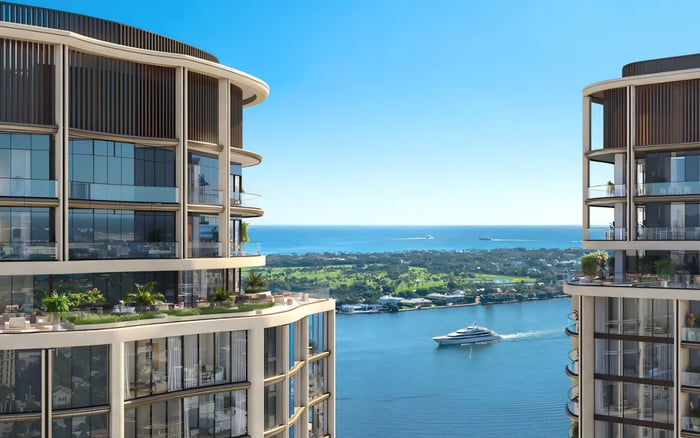
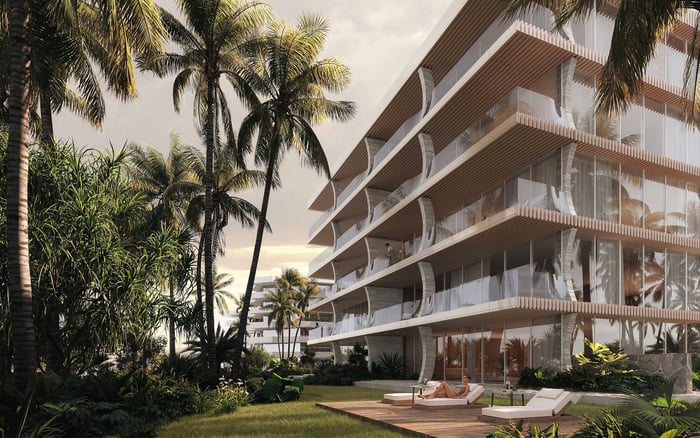
A disciplined framework for comparing premium lines, testing view durability, and identifying the residences whose exposure may remain genuinely scarce over time.
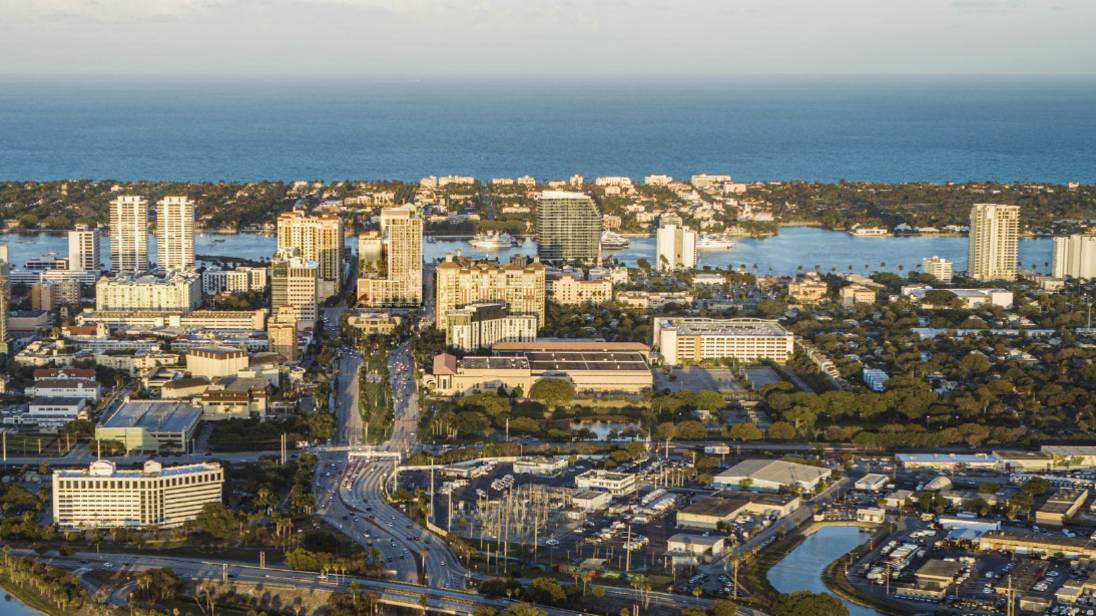
At Mr. C Residences West Palm Beach, the most consequential reservation decision may not be simply how high to buy, but which line combines orientation, elevation, sightline geometry, and a view corridor that is difficult to reproduce.
That distinction matters because a captivating vista today is not necessarily a protected vista tomorrow. Open water, bridges, neighboring towers, and the city skyline create distinct visual experiences, each with a different degree of development risk. A generic “water view” description is therefore too broad for a serious valuation exercise.
For a pre-construction investment, the objective is to identify the exposure with both aesthetic strength and structural durability. Brand character and a polished amenity program can support demand, but neither substitutes for line-by-line analysis.
The first task is to separate view quality from view protection. Quality describes what a residence can see and how the composition feels. Protection concerns whether geography, urban form, and zoning collectively limit future obstruction.
A line may offer broad visual depth from a high-floor position yet still overlook parcels capable of supporting future development. Conversely, a lower residence may benefit from a corridor shaped by water, roadway alignments, setbacks, or other enduring features. Height can improve perspective, but it does not by itself create permanence.
Buyers should trace the entire sightline rather than focus only on its distant endpoint. The foreground is often decisive. A view toward open water can still cross a neighboring parcel, while a skyline exposure may depend on a narrow opening between buildings. The relevant question is not merely, “What do I see?” It is, “What could occupy the space between this glass and that horizon?”
Orientation establishes the principal scene, but geometry determines how much of it remains visible from the residence’s most important rooms. Review the angle of the facade, the position of terraces, the depth of adjoining structures, and whether the view is direct or oblique.
Elevation should then be considered in relation to the surrounding built environment. Moving upward may clear an existing roofline or deepen an Intracoastal perspective. It may also deliver only a marginal improvement if the same future development risk remains in front of every floor.
This is where project plans and a disciplined visual study become essential. Compare views from living areas, primary bedrooms, terraces, and arrival points. A residence with one dramatic, framed vista may be less compelling in daily use than a line with consistent exposure across several rooms.
A defensible premium requires a controlled comparison. Residences should be matched as closely as possible by interior size, floor plan, terrace configuration, elevation, and finish assumptions before a price difference is attributed to the view.
The competitive frame should also extend beyond one building. Along the Flagler Drive and Intracoastal corridor, buyers can examine how comparable positioning is presented at Forté on Flagler West Palm Beach, The Ritz-Carlton Residences® West Palm Beach, and Shorecrest Flagler Drive West Palm Beach. These residences should not be treated as interchangeable substitutes. Instead, they help frame how waterfront orientation, floor height, layout, and corridor scarcity shape buyer choice across West Palm Beach.
The cleanest analysis asks what a buyer is paying for after neutralizing layout differences. A larger plan with a partial view should not be casually compared with a smaller plan offering direct exposure. Otherwise, the apparent view premium may actually reflect additional interior area or a more efficient configuration.
Total residence count is a poor proxy for scarcity. The meaningful supply is the number of homes sharing the same orientation, elevation band, layout, and exposure. If only a limited subset combines all four, that group may be less interchangeable than the broader inventory suggests.
Limited waterfront frontage can intensify this effect. Select lines may preserve a clearer relationship to the water, while others depend on angled or partially obstructed outlooks. The rarest position is not automatically the highest floor or the largest residence. It is the combination that buyers can recognize, describe, and compare as superior within the building’s stack.
That clarity can matter at resale. A premium line is easier for future brokers and buyers to distinguish when its advantages are consistent and legible. Long-term scarcity is strongest when the corridor is desirable, difficult to replicate, and unlikely to be obstructed.
Before reserving, assemble project plans, current offering documents, elevation information, and a parcel-by-parcel review of the sightline. Planned construction matters, but permissible development matters as well. An empty or low-rise parcel should not be mistaken for a permanent opening.
Survey-grade view studies, municipal records, and zoning counsel can help test the assumptions behind a premium. The goal is not to predict every future building, but to understand which view components rest on durable constraints and which depend on present conditions.
The final decision should balance visual pleasure with replaceability. A beautiful view may justify a premium for personal use even when its protection is uncertain. For value preservation, however, the stronger case belongs to a corridor whose appeal and scarcity can withstand scrutiny.
What makes a line premium at Mr. C Residences West Palm Beach? A premium line combines desirable orientation, useful elevation, strong sightline geometry, and limited comparable supply.
Does a higher floor guarantee a protected view? No. Greater height can improve view depth, but future development may still affect the sightline.
Is every water view equally valuable? No. Open-water, bridge, tower, and skyline exposures differ in quality, angle, depth, and obstruction risk.
How should buyers evaluate future obstruction? Review parcels within the sightline, including both planned construction and development permitted under applicable zoning.
What is a structurally protected view? It is a corridor where geography, urban form, and zoning collectively constrain the potential for future blockage.
How should scarcity be measured? Count residences with comparable orientation, elevation, layout, and exposure rather than relying on total project inventory.
Can amenities justify a view premium? Amenities and brand positioning may support overall value, but they do not replace line-specific view analysis.
Why compare similar floor plans? Matching size and configuration helps isolate the portion of a price difference attributable to exposure.
Can a premium line improve resale differentiation? It may, especially when buyers and brokers can consistently articulate why that stack is superior within the building.
What should be verified before reserving? Confirm plans, exposure, elevation, neighboring parcels, zoning constraints, offering documents, and comparable view supply.
When you're ready to tour or underwrite the options, connect with MILLION.
If branded residences are on your mind — as a home or as an allocation — we would be glad to share what we are seeing, privately.
Begin a quiet conversation