A disciplined framework for reviewing wind coverage, flood exposure, deductibles, condominium policies, and ownership costs before acquiring a luxury residence near the Miami Design District.
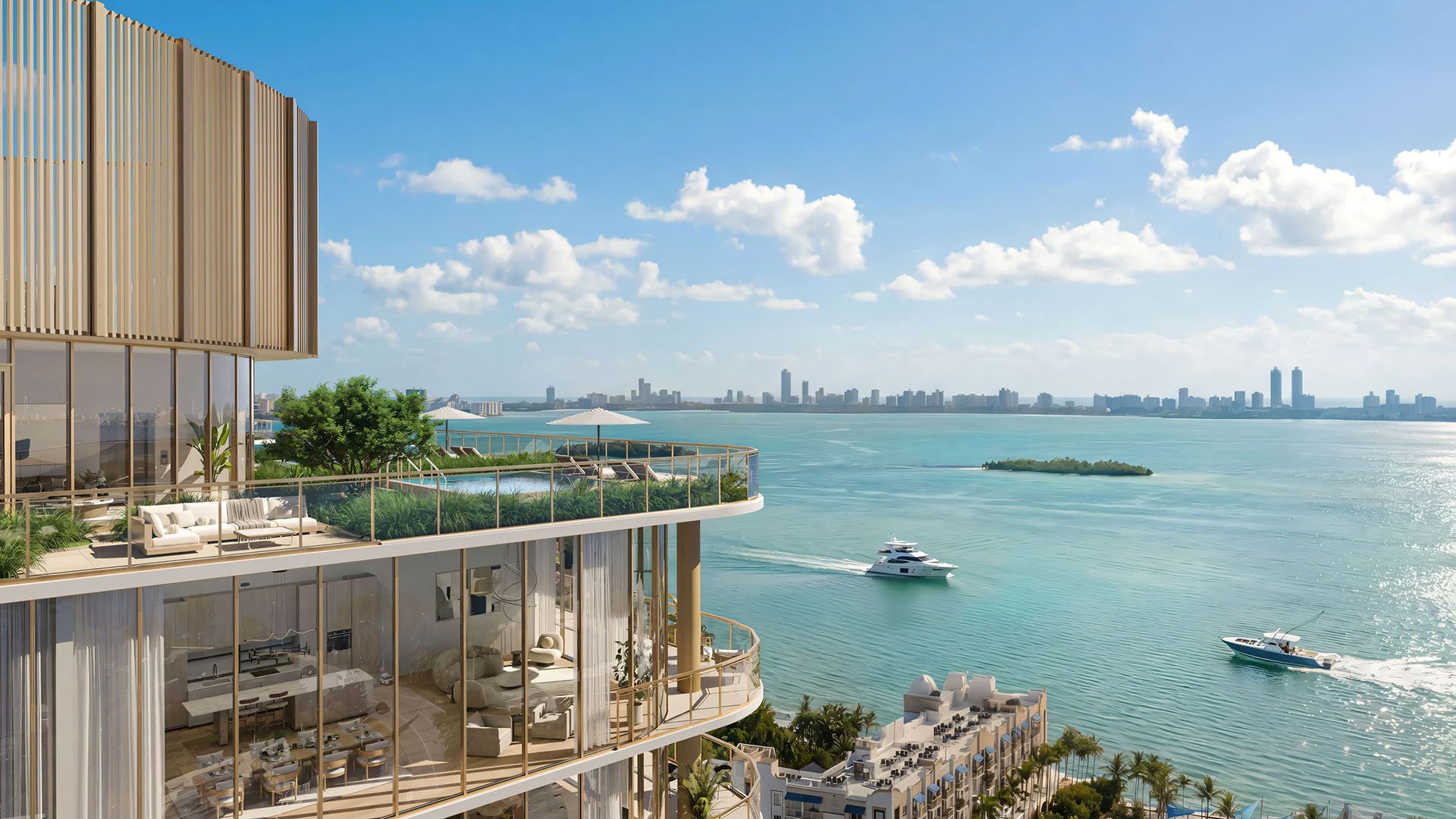
In the Design District, a residence may be chosen for its architecture, privacy, proximity, or the pleasure of living among Miami’s most cultivated addresses. Yet careful ownership begins with a less visible asset: a complete understanding of how the property is insured, what the building’s policy covers, and where the owner’s obligations begin.
This is more than a closing exercise. Insurance language can determine how much capital a buyer may need to retain, the coverage selected for interiors and collections, and the practical response to a major event. For an investment purchase, the review should be as deliberate as the financial underwriting. For a second home, it should also account for extended absences and the way the residence will be used.
The most useful principle in this MILLION Buyer’s Guide is simple: understand the policy structure before relying on the premium. Price alone reveals little about deductibles, exclusions, limits, responsibilities, or the coordination between building and unit-level protection.
For a condominium purchase, request the current master-policy documents and have qualified insurance and legal advisers interpret them before commitments become difficult to unwind. The objective is to identify precisely which parts of the property fall within the association’s coverage and which must be protected through the owner’s policy.
Ask for definitions, not summaries. How are interior finishes, built-ins, glazing, terraces, mechanical components, storage spaces, and parking treated? What happens when damage originates in a common element but reaches the residence? Who manages the claim, and which costs can remain with the owner or association?
Compare the answers with the actual home under consideration. A highly customized interior may require a different conversation from an unfinished or developer-delivered residence. Buyers considering Kempinski Residences Miami Design District or Miami Tropic Residences can apply the same discipline: obtain the applicable documents, identify the insured boundaries, and reconcile them with the intended fit-out.
A deductible should never be treated as a minor line item. Determine whether each deductible is expressed as a fixed amount, a percentage, or another formulation, and confirm the value to which any percentage applies. Then request a written illustration based on the policy and residence under evaluation.
The buyer’s private model should test more than one scenario. It should establish how much cash might be required before insurance responds, whether separate deductibles could apply to different causes of loss, and how association obligations might affect owners. No assumption should replace the language in the governing documents and policies.
This is especially important when comparing new construction with resale. The categories alone do not determine risk or coverage quality. Each candidate demands its own document review, including effective dates, renewal timing, disclosed changes, open claims, and any coverage conditions relevant to occupancy or completion.
A comparison between EDITION Edgewater and Villa Miami, for example, should not end with design, amenities, or purchase structure. The insurance file belongs beside the architectural plans and financial documents in the buyer’s decision room.
Wind and flood warrant separate reviews, even when they arise within the same broader risk conversation. Ask advisers to identify the policy, limit, deductible, exclusions, and claims process for each peril. Confirm whether protection is held by the association, the individual owner, or both-and where potential gaps could emerge.
Flood-zone terminology also requires precise interpretation. Rather than relying on a listing description or conversational shorthand, request the property-specific materials used by the buyer’s insurer, lender, surveyor, and counsel. If those parties rely on different descriptions or assumptions, resolve the discrepancy before closing.
For a high-value residence, the inquiry should extend inside the home. Flooring, millwork, kitchens, wardrobes, lighting, art, wine, electronics, and furnishings may each require thoughtful valuation and policy treatment. The owner should understand whether special limits, schedules, documentation, storage conditions, or protective measures are relevant to the intended collection.
Insurance should reflect actual occupancy. Tell the insurance adviser whether the home will serve as a primary residence, a seasonal retreat, or a property left unoccupied for meaningful periods. Disclose planned staffing, renovation work, deliveries, collections, and any intended rental use. The objective is not generic advice, but terms structured around the owner’s actual pattern of use.
Renovation plans demand particular care. Before construction begins, confirm the responsibilities of the owner, association, designer, contractor, and relevant insurers. Determine which documents require approval, which parties must provide evidence of coverage, and whether the work changes any existing assumptions. Keep signed contracts, approvals, inventories, photographs, valuations, and policy endorsements together in a secure ownership file.
That file should also contain current contact details and a response protocol. A carefully owned home is not merely insured on paper. Its advisers and property team know whom to call, what to document, and which immediate steps are authorized when an incident occurs.
Before signing, assemble the master policy, proposed unit policy, deductible explanations, flood-related materials, association disclosures, and written answers to unresolved questions. Ask counsel and the insurance adviser to review the same complete set rather than work from separate fragments.
After closing, calendar policy renewals and association insurance updates. Revisit valuations after substantial design work or major acquisitions, and reassess coverage whenever occupancy changes. Fine print is not static housekeeping. For the careful luxury buyer, it is part of preserving the residence with the same intention used to select it.
Does a condominium master policy remove the need for unit-level coverage? Do not assume so. Ask qualified advisers to map the master policy against the residence, personal property, liability needs, and intended use.
What is the first insurance document a condominium buyer should request? Request the complete, current master-policy package, then obtain the proposed owner’s policy and compare the terms together.
Why does the deductible deserve separate review? Its wording can affect the amount and timing of an owner’s potential outlay. Request a written, property-specific explanation.
Should wind and flood be discussed separately? Yes. Request a distinct explanation of the policy, limits, deductibles, exclusions, and responsibilities associated with each.
Is a flood-zone label enough for a purchase decision? No. Have the relevant property-specific materials reviewed and reconcile any differences among the buyer’s professional advisers.
How should valuable interiors be addressed? Provide detailed information about finishes, furnishings, art, and other collections, then determine whether valuations or special treatment are needed.
What should a seasonal owner disclose? Explain occupancy patterns, extended absences, staffing, security arrangements, and how the home will actually be maintained.
When should renovation insurance be reviewed? Review it before contracts are finalized or work begins, with responsibilities and required documents confirmed in writing.
Should insurance be compared across shortlisted buildings? Yes. Compare scope, exclusions, deductibles, responsibilities, renewal considerations, and alignment with the intended residence.
Who should participate in the review? The buyer’s insurance adviser and counsel should review the relevant policies and governing documents, with other specialists added as needed.
If you'd like a private walkthrough and a curated shortlist, connect with MILLION.
If branded residences are on your mind — as a home or as an allocation — we would be glad to share what we are seeing, privately.
Begin a quiet conversation