The provided information does not establish emergency-power coverage at Mandarin Oriental Residences, West Palm Beach. This buyer-focused guide explains the written details that matter, from residence circuits and elevator access to amenity operations and extended-outage planning.
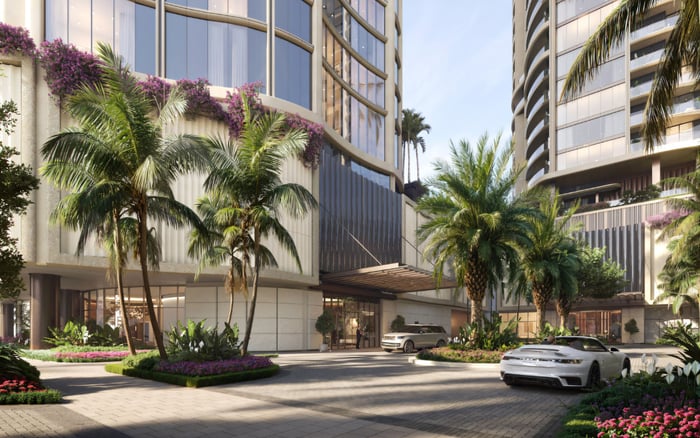
At Mandarin Oriental Residences, West Palm Beach, the planned residential experience includes direct elevator entry, expansive wraparound balconies and an extensive amenity program. The upcoming development at 5400 N Flagler Dr, West Palm Beach, FL 33407, is planned with 87 private residences and two- to four-bedroom floor plans.
For a buyer considering life here, however, emergency power requires a separate conversation. The provided information does not confirm coverage for either circuits inside a residence or common-area systems. It does not include a definitive list of equipment that would continue operating during an outage.
That is a limit on what can be confirmed here, not a finding that backup power is absent. The purchasing question is not simply whether the building has emergency power. It is what the documented system would allow an owner to use, under what conditions and for how long.
Start with the rooms and equipment that shape daily life. Ask for written confirmation of any backed-up lighting, receptacles, refrigeration, cooking equipment, communications equipment and air-conditioning components. None of those categories should be treated as confirmed coverage here.
A useful response should distinguish coverage of all circuits from coverage of selected circuits and identify restrictions on simultaneous use. If a description refers to essential residence loads, ask for the equipment or circuit schedule behind that phrase. An owner should not have to guess whether an ordinary bedroom outlet or the refrigerator falls within that category.
Cooling deserves particular precision. Ask whether proposed coverage extends to the components needed to cool the residence, rather than accepting a general reference to mechanical systems. Request the intended operating limits and whether coverage differs by floor plan.
The same discipline applies to the wraparound balconies. Their inclusion establishes an outdoor living feature, not emergency power for exterior receptacles, lighting or owner-installed equipment. Keep those items on a separate checklist if they matter to your intended use.
Direct elevator entry makes the arrival experience part of the residence itself. It does not establish whether elevators would run normally, selectively or in a limited emergency mode when utility power fails.
Ask which elevators, if any, would be available to residents under backup power. The written explanation should address whether service reaches every residential floor, whether residents can call a car themselves and whether access requires staff coordination. Also request details of the transition away from utility power and the return to normal service.
These are operating questions, not merely equipment questions. A statement that an elevator is connected to emergency power still needs context: who may use it, and when? Buyers who anticipate mobility assistance, regular deliveries or visiting family should make those needs explicit rather than assume the ordinary arrival experience will continue unchanged.
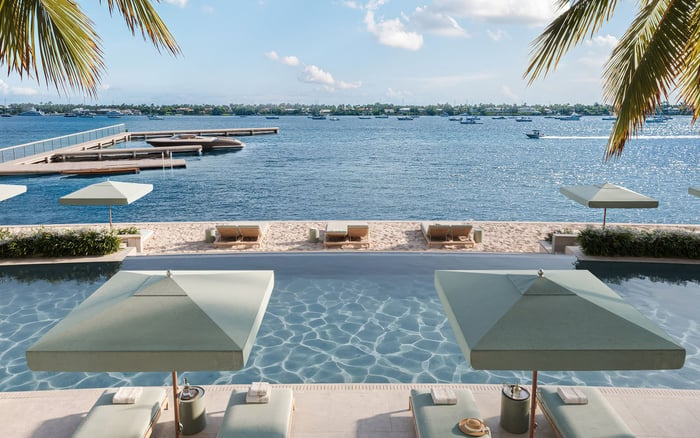
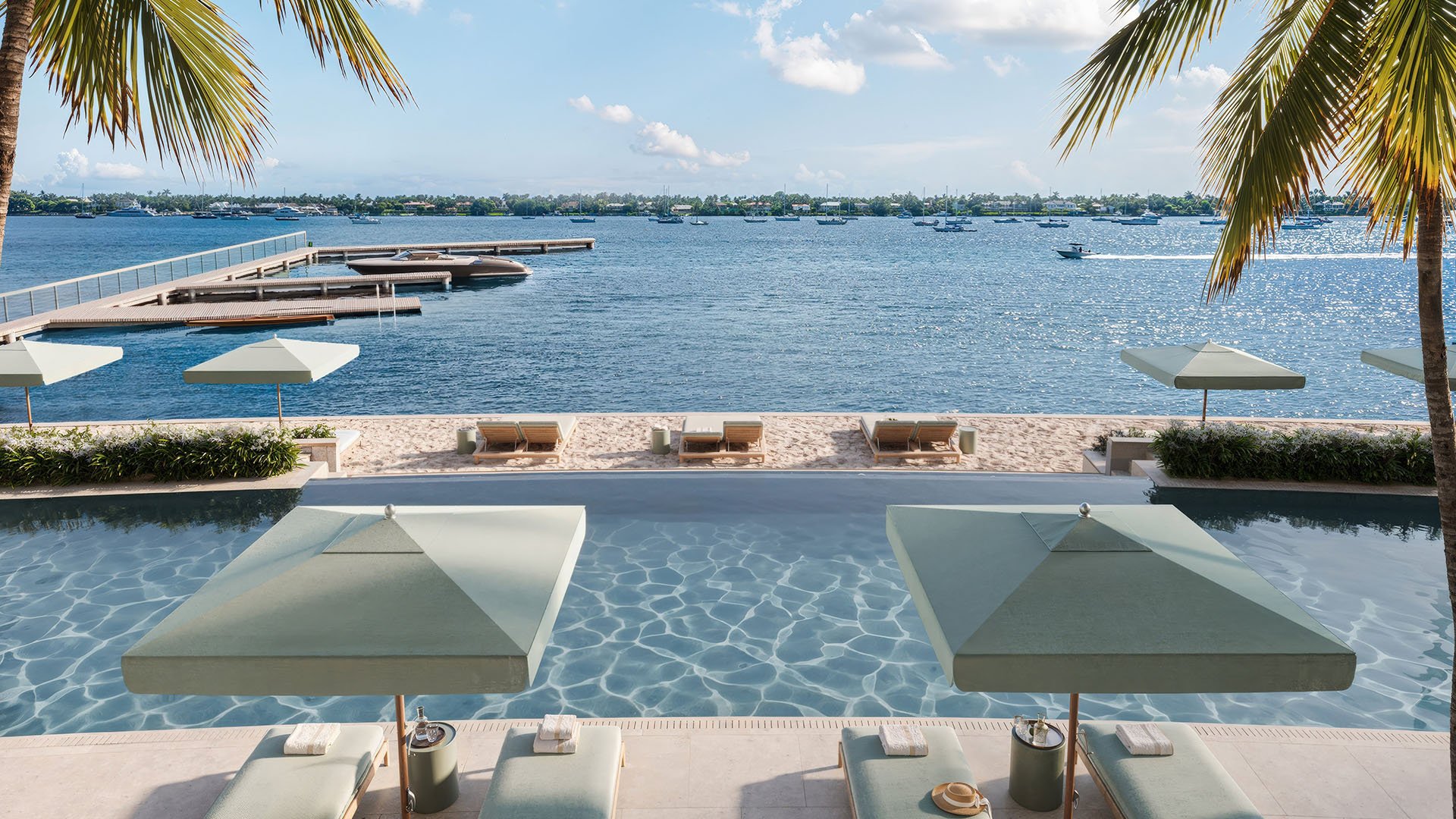
The planned amenity program spans three levels, including a waterfront pool, private beach setting, rooftop oasis and private spa. Additional planned offerings include a fitness center, spa treatment rooms, pickleball court and private event spaces. Backup-power coverage for these facilities is not confirmed in the provided information.
For each amenity that influences your purchase, request two answers: which supporting systems would have power, and whether the facility would remain available to residents. Ask separately about lighting, ventilation or cooling, equipment operation and access restrictions. Electrical coverage and permission to use a space are not interchangeable commitments.
The same comparison framework is useful if Alba West Palm Beach is also on your shortlist. Compare documented outage provisions rather than infer resilience from an amenity description. This is a due-diligence standard, not a claim that either project's electrical design is superior.
Planned services include 24/7 valet/security, concierge and EV charging, but their outage operating arrangements are not confirmed in the provided information. These offerings should prompt detailed questions, not assumptions of uninterrupted performance.
Request the intended arrangements for vehicle retrieval, controlled entry, resident communications and concierge contact. For EV charging, ask whether any chargers receive backup power, whether charging would be suspended or restricted, and how residents would be notified. Those answers have not been established here.
If your comparison includes Mr. C Residences West Palm Beach, use the same service-continuity questions there. Consistent questions help prevent brand expectations from substituting for property-specific commitments.
Because this is an upcoming development rather than an operating property, frame requests around the proposed design and the documents that define the purchase. Ask which emergency-power specifications are current, which remain subject to change and where any promised coverage is recorded.
Duration belongs beside scope. Request any stated runtime together with its load assumptions, fuel arrangements and replenishment assumptions. Ask whether certain loads would be disconnected to prioritize others and whether residents would receive instructions limiting equipment use. These are matters to establish, not confirmed characteristics of this project.
Also ask about the anticipated interruption before backup power becomes available and the procedure for returning to utility service. Have the appropriate technical adviser explain the design language, and ask your legal adviser how written representations relate to the purchase documents.
For an owner who will not always be present, the relevant test is personal. Identify what you would need protected during an absence: refrigeration, indoor conditions, communications or access for an authorized representative. Then ask which needs the proposed building arrangements address and which require separate planning.
Do not turn a general assurance into a plan to remain in residence through an outage. Ask for the intended resident guidance, including limits on occupancy or access. Your expectations should follow the documented operating plan, not the scale of the amenity offering.
Before relying on emergency power as a purchasing advantage, assemble a concise written record covering residence circuits, elevator access, common-area systems, services and operating duration. For each category, distinguish confirmed inclusions, exclusions, conditions and unanswered questions.
The conclusion here is deliberately narrow: the provided information establishes neither whole-residence backup power nor a definitive common-area coverage list. That leaves meaningful due diligence to complete, not a negative verdict on the development. The most useful assurance is precise enough to connect the proposed infrastructure with the way you intend to live.
For a discreet perspective on South Florida residences and the details that shape ownership, explore MILLION.
If branded residences are on your mind — as a home or as an allocation — we would be glad to share what we are seeing, privately.
Begin a quiet conversationIt is described as an upcoming branded residential development, not an operating property. Its amenities and services should be understood as planned offerings.
The address provided is 5400 N Flagler Dr, West Palm Beach, FL 33407.
The development is described as having 87 private residences, with floor plans ranging from two to four bedrooms.
The provided information does not establish whole-residence coverage or identify the backed-up residence circuits. That does not prove backup power is absent.
Their emergency-power coverage is not established in the provided information. Buyers should request written equipment-level and circuit-level confirmation.
No. Direct elevator entry does not establish whether outage service would be normal, selective or limited to an emergency mode.
The provided information does not identify which facilities receive backup power. Buyers should ask separately about powered systems and whether each space would remain open.
Those services are planned, but their outage operating arrangements are not specified in the provided information. Request a service-specific operating plan.
No. The wraparound balcony description does not establish emergency-power coverage for outdoor equipment.
Request written residence circuit coverage, elevator operating provisions, common-area inclusions and service arrangements. Ask for duration assumptions, restrictions and confirmation of where commitments appear in the purchase documents.