At Edgeworth West Palm Beach, buyers considering post-closing customization should examine alteration approvals, contractor credentials, service access, work hours and inspection provisions before engaging a design team.
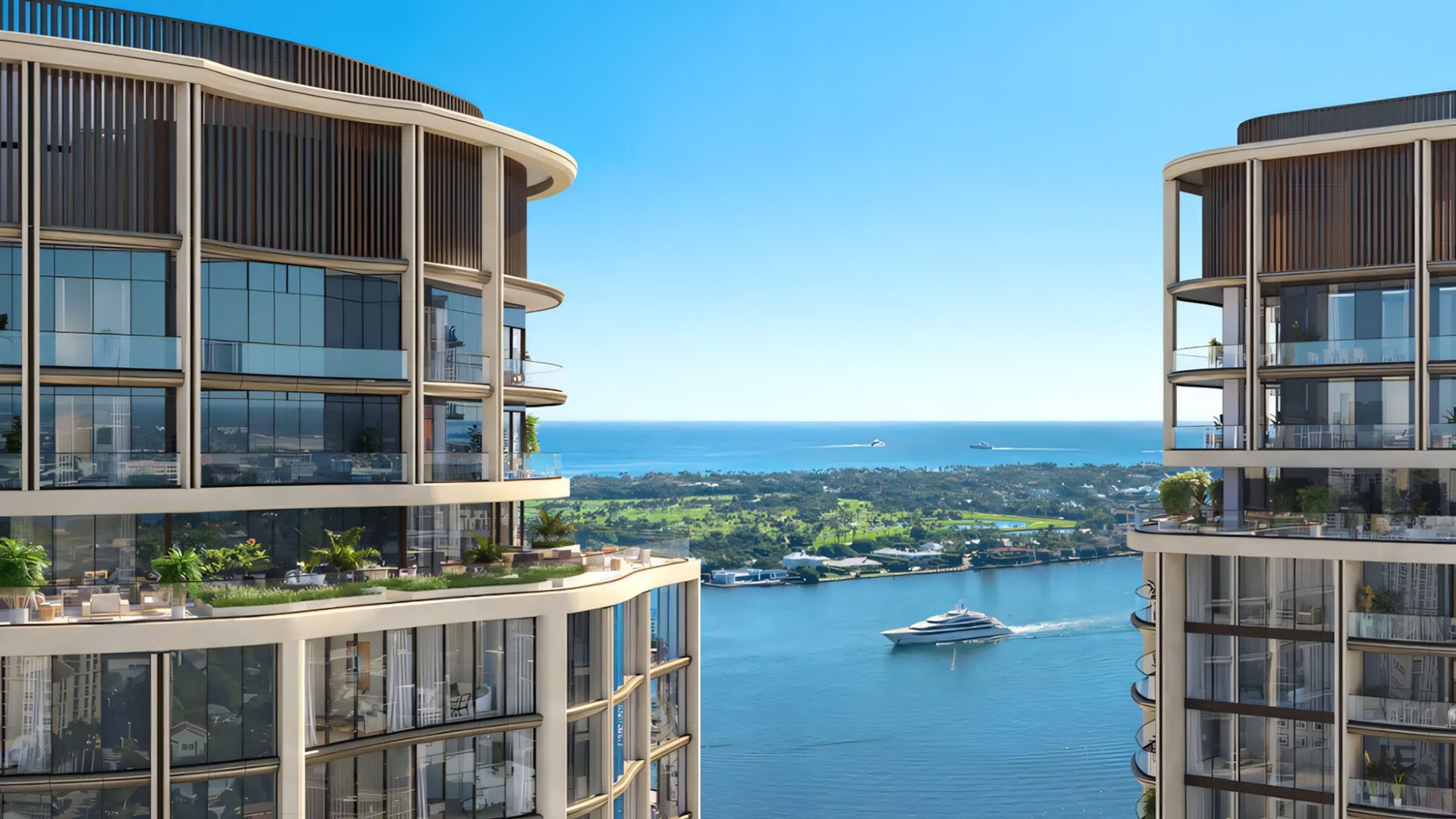
At Edgeworth West Palm Beach, a buyer planning post-closing customization should examine more than the design concept. The practical review should also address association approval, contractor onboarding, service access, insurance documentation, permitting and any inspection provisions contained in the property’s governing documents.
A purchase agreement does not by itself answer when a design team may begin work or how contractors may enter the property. Edgeworth’s current declaration, rules and alteration materials should govern that analysis. Procedures used at other condominiums may help buyers identify questions, but they should not be treated as confirmed Edgeworth requirements.
In a luxury condominium, access logistics can be as consequential as design approval.
The word “cosmetic” should not replace a review of the building’s written definitions. Before committing to a scope, the buyer should determine whether painting, fixture replacement, flooring, electrical work, plumbing work, wall changes or other modifications require notice, plans or written approval.
Association review and government permitting are separate considerations. Buyers should ask the appropriate professionals which public approvals apply and confirm that any association consent covers the intended scope.
Detailed plans can help the design team, contractor and management evaluate the same proposal. This is especially important when a project involves concealed systems, hard-surface flooring, room reconfiguration or materials that may require coordinated delivery and installation.
The alteration package should explain how contractors and vendors are authorized to enter the property. Buyers should confirm whether workers must provide identification, licensing details, insurance certificates or other documents before arrival.
Access questions should extend to keys, written owner authorizations and security check-in. If the owner expects a designer, contractor or local representative to coordinate entry, the required authorization process should be established in advance.
The governing documents should also be reviewed for any provision allowing management or another authorized party to observe work. The buyer should understand the purpose, notice procedure and practical effect of any such access provision rather than assuming that approval eliminates later oversight.
A contractor’s estimate may not account for building-specific logistics. The buyer should request written information about permissible work periods, loading procedures, service entrances, elevator reservations, protective coverings, contractor parking and trade coordination.
These details can affect sequencing. A delivery may depend on both contractor readiness and building access, while a change in the installation schedule may require a new reservation or management notice. Addressing those dependencies before materials are ordered can reduce avoidable disruption.
Buyers comparing West Palm Beach options such as South Flagler House West Palm Beach and Forté on Flagler West Palm Beach should request the current documents for each property. The useful comparison is between written procedures, not assumptions based on location or market position.
Hard-surface flooring warrants specific questions because the building may evaluate the entire proposed assembly rather than the visible finish alone. Before selecting stone, wood or another material, the buyer should ask whether acoustic documentation, underlayment specifications, professional review or an inspection is required.
The timing of review also matters. If any component must be examined before the finished floor conceals it, the construction schedule should include that step. Procurement should follow written confirmation of the applicable requirements.
Buyers should also determine what the documents say about unapproved work, corrective action and responsibility for damage. Approval after installation should not be assumed.
Before engaging a contractor, an Edgeworth buyer should request the current declaration, rules, architectural-review procedures, alteration packet, insurance requirements, access schedule, and delivery and elevator policies. The review should identify application steps, required plans, vendor documentation, reservations, owner responsibilities and consequences for noncompliance.
The practical questions include:
This review is particularly important for a second-home buyer who may rely on written authorizations and a local representative. Responsibilities should be assigned clearly before work begins.
Approvals, permits, insurance certificates, inspection records, contractor authorizations and approved plans should be retained in an organized file. If a question later arises about access, damage or scope, the record can show what was submitted and authorized.
The contractor should also document proposed changes to the approved plan. A field adjustment, substituted material or revised installation method should be checked against the building’s procedures before implementation.
The same disciplined review applies when considering The Ritz-Carlton Residences® West Palm Beach or another South Florida condominium. Each property’s current documents must be evaluated independently.
The prudent Edgeworth buyer aligns the designer, contractor, association procedures and permitting strategy before closing. That sequence supports the design vision while reducing the risk of avoidable access conflicts, scheduling changes or corrective work.
For discreet guidance on South Florida luxury residences, consult MILLION.
If branded residences are on your mind — as a home or as an allocation — we would be glad to share what we are seeing, privately.
Begin a quiet conversationEdgeworth’s current governing documents and alteration materials control. Buyers should request those documents rather than relying on procedures used at other properties.
Buyers should ask how the property treats painting, fixtures, flooring, electrical work, plumbing work, wall changes and other planned modifications.
Not necessarily. The building’s written definitions and procedures should determine whether notice, plans or approval are required.
Buyers should not assume immediate access. They should first confirm the property’s authorization, documentation and scheduling procedures.
Buyers should ask whether identification, licensing details, insurance certificates or other vendor materials are required.
The buyer should follow the property’s written authorization and security procedures. Any role assigned to a contractor or local representative should be documented in advance.
Loading procedures, elevator reservations, service routes and permitted work periods can affect project sequencing. Written requirements should be incorporated into the contractor’s plan.
The property may review the proposed flooring assembly, supporting documentation or installation process. Buyers should obtain the applicable requirements before procurement.
No. Buyers should separately confirm the association process and any public approvals applicable to the planned work.
Keep approvals, permits, insurance certificates, inspection records, contractor authorizations and approved plans in one organized file.