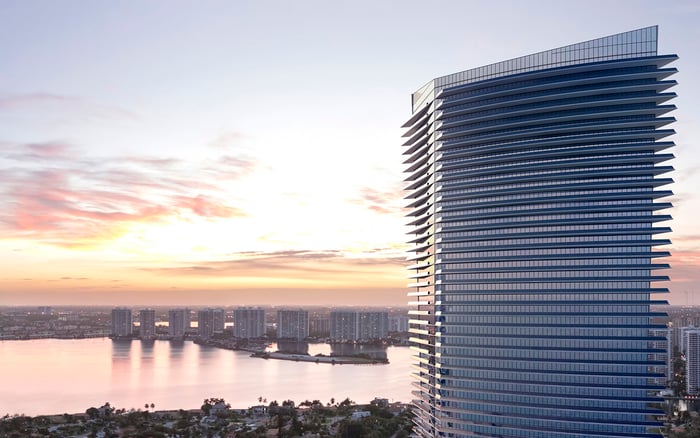
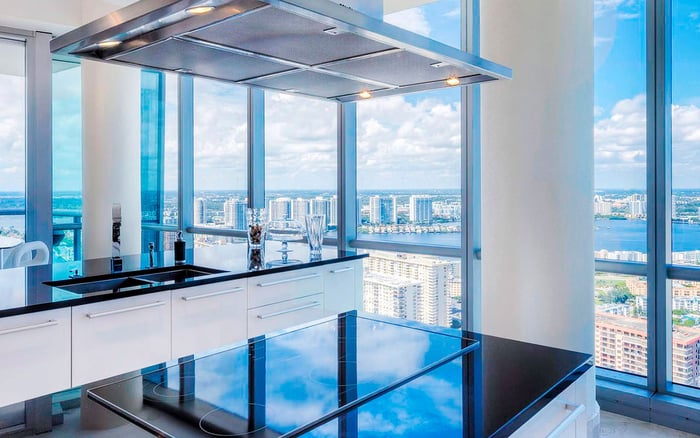
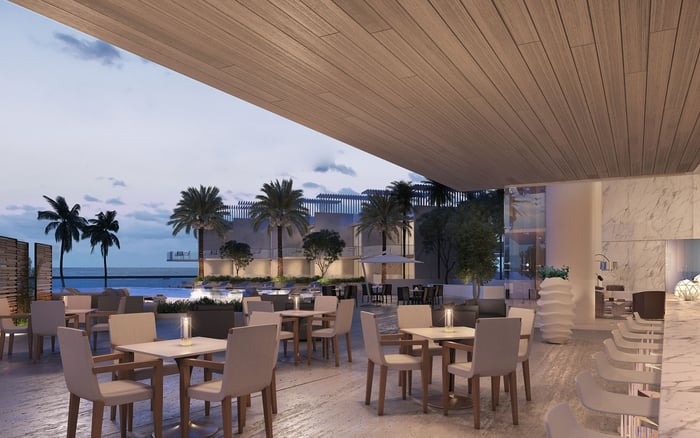
Bentley Residences Sunny Isles promises an intimate dining and wellness experience. For buyers, the essential distinction is between access to beautifully appointed spaces and the operating terms governing meals, treatments, private events, and service continuity.
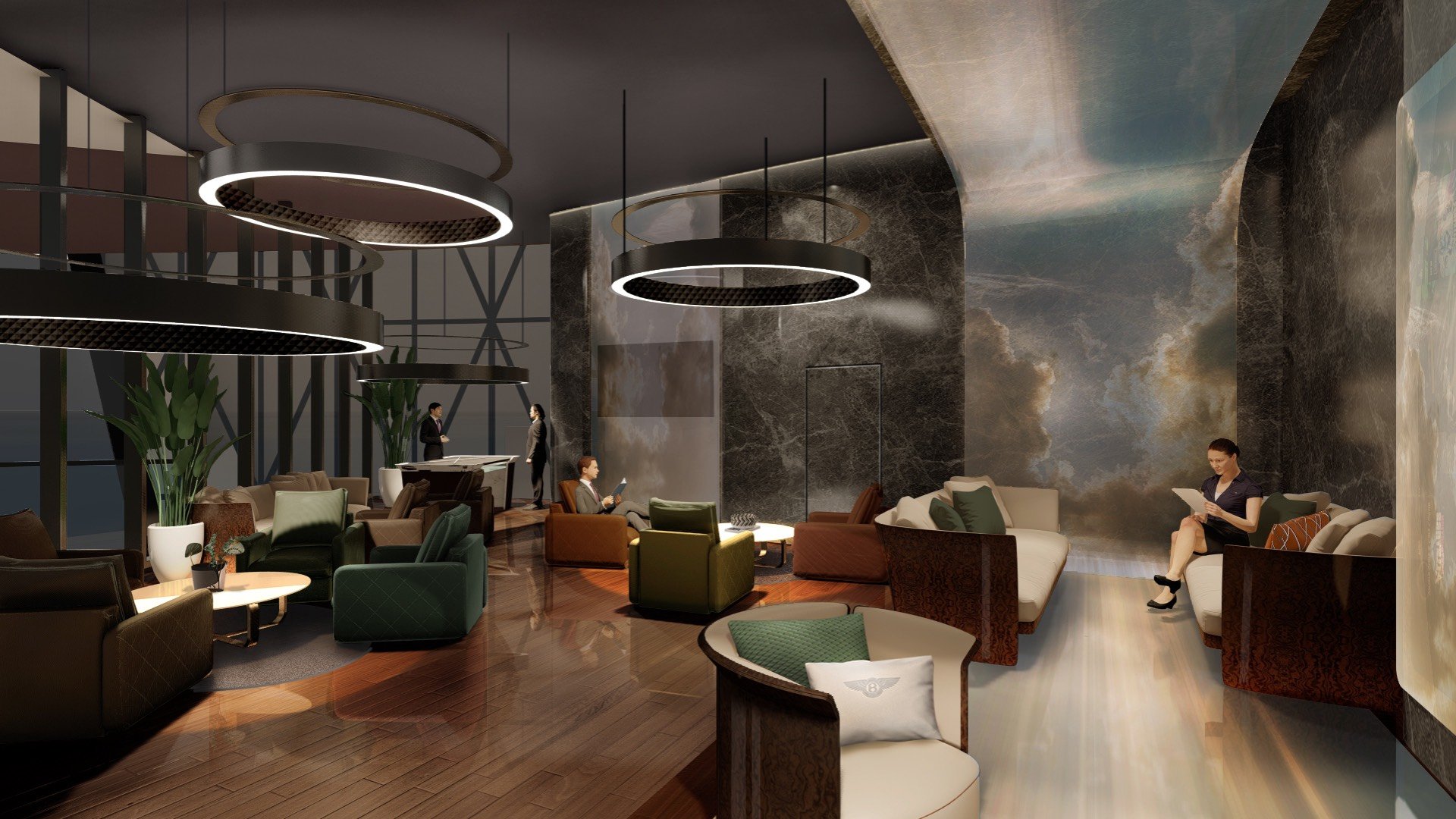
The most persuasive residential amenities promise something more valuable than spectacle: a day that unfolds with less friction. At Bentley Residences Sunny Isles, that proposition includes private dining, in-suite meals, and wellness spaces designed to bring hospitality closer to home. The buyer’s task is to distinguish the setting from the services delivered within it.
Access to an amenity space does not mean its services are included in association dues. A restaurant can be exclusive to residents without meals being complimentary; a treatment room can be available without the therapist’s time being included. That distinction should guide the ownership budget from the outset.
The development, by Dezer Development in partnership with Bentley Motors, presents a planned amenity program, not an established operating history. Treat “operating choices, not free benefits” as a budgeting framework-not an allegation of undisclosed mandatory charges or a review of executed condominium documents.
The planned residents-only restaurant concept is curated by Todd English, a four-time James Beard Award winner. Plans call for breakfast, lunch, and dinner service, with particular emphasis on in-suite dining. Catering, cooking demonstrations, and food-and-wine pairings extend the offering beyond a conventional dining room.
For an owner, these represent distinct patterns of use. An occasional dinner, frequent in-suite breakfasts, and catered entertaining should not be folded into a single, undifferentiated budget allowance. Request proposed menus and pricing, service hours, delivery arrangements, and any applicable service charges before estimating annual spending.
A separate mezzanine private dining room is planned with capacity for 16 people. Its scale suggests intimate entertaining, but capacity alone says nothing about reservation priority or the cost of an evening. Request booking terms, cancellation rules, guest policies, and any minimum-spend obligation. Establish whether reserving the room and commissioning food service are separate transactions.
The objective is not to diminish the appeal. It is to determine whether the service suits the way the household entertains, on terms the buyer understands.
The planned wellness facilities include outdoor relaxation areas and a revitalization spa with single and couples treatment rooms. An oceanfront beauty salon is also planned, with hair, manicure, pedicure, and makeup facilities. These spaces promise convenience, but their physical presence does not define an owner’s treatment entitlement.
Concierge-arranged services are explicitly described as à la carte, including spa reservations and treatments, dog walking, and pet grooming. That distinction supports budgeting separately for personalized services; it does not establish a particular treatment price or reservation fee.
Ask what facility access includes, who operates treatments, and how appointments are allocated. Confirm treatment pricing, any owner discounts, cancellation terms, and guest eligibility. A household anticipating regular appointments should also ask about availability during its intended periods of residence.
The same distinction applies to the planned 114-square-foot pet spa. Grooming, washing, and drying services describe an offering-not proof that every visit is included in ownership charges.
Start with association charges and identify which amenity costs they cover. Then create a separate annual allowance for anticipated dining, treatments, private events, and other optional services. Keep unresolved obligations visible rather than entering them as zero.
A useful working model has three layers:
Documented association costs: Record the proposed charges and the services expressly included, distinguishing projections from finalized obligations.
Household consumption: Estimate visits, meals, appointments, and events, using confirmed prices where available and clearly marked assumptions otherwise.
Unresolved exposure: Track any possible minimums, service charges, or operating contributions pending written clarification. Do not treat them as established fees.
Avoid double-counting costs already included in association charges or another allowance. Equally, do not assume that limited personal use eliminates every shared cost; allocation must be established through the applicable documents.
Compare a light-use scenario with the household’s intended pattern of residence and entertaining. This tests affordability without treating unconfirmed pricing as known. The planned amenity program does not establish actual association charges, restaurant minimums, treatment prices, or subsidy arrangements.
Who pays is only half the inquiry. Who decides is equally important. Request the applicable restaurant and spa operating agreements, or written clarification of their relevant provisions. Establish who controls hours, staffing, pricing, and operator replacement.
Ask specifically whether the association, developer, or third-party operator would absorb an operating shortfall, and under what conditions. None of those allocations should be presumed. Nor should buyers assume that a condominium board has unilateral authority to preserve or change a service.
If St. Regis® Residences Sunny Isles is also on a buyer’s shortlist, the same questions provide a disciplined framework for comparison. They do not imply identical amenities, contractual structures, or charges between properties.
Service continuity matters because an attractive opening concept is not the same as a durable operating commitment. Identify what is contractually committed, what remains proposed, and which mechanisms govern future changes. A name on the door cannot answer those questions by itself.
More than 20,000 square feet of amenities across three levels, featuring Bentley Home furnishings, establish the scale of the planned program. A lounge and whiskey bar, cigar lounge, and private movie theater seating 14 extend the social offering. The planned oceanfront pool deck includes a heated pool, spa, and poolside food-and-beverage service; the beach club adds cabanas and food-and-beverage service.
For buyers in Sunny Isles Beach, the more useful comparison goes beyond amenity count: how often a household expects to use each offering, what that use entails, and how reliably the service can be delivered.
A buyer also considering The Ritz-Carlton Residences® Sunny Isles can apply the same household-use analysis without assuming anything about its fee structure. Compare documented terms, not imagined equivalence between hospitality names.
Before committing, set out in writing the distinction between facility access, included services, optional purchases, and unresolved obligations. Have the relevant condominium and operating provisions reviewed alongside the proposed budget. Do not let amenity descriptions stand in for contractual terms.
The strongest ownership proposition is not necessarily the one with the fewest separate charges. It is the one whose services, availability, and costs match the buyer’s expectations. At Bentley Residences, private dining and wellness can be meaningful reasons to buy, provided their operating terms are understood rather than assumed.
For a considered perspective on South Florida luxury ownership, explore MILLION.
If branded residences are on your mind — as a home or as an allocation — we would be glad to share what we are seeing, privately.
Begin a quiet conversationThe advertised dining program does not establish that meals are included in association dues. Buyers should confirm inclusions and any separate charges in the applicable documents.
The planned residents-only restaurant concept is curated by Todd English, a four-time James Beard Award winner.
The offering includes breakfast, lunch, and dinner, with an emphasis on in-suite dining. Catering, cooking demonstrations, and food-and-wine pairings are also advertised.
The separate mezzanine private dining room is advertised with capacity for 16 people. Booking terms, guest policies, and any minimum spending requirements should be confirmed separately.
Facility access does not establish that treatments are included. Concierge-arranged spa reservations and treatments are described as à la carte, without establishing specific prices.
The program includes outdoor relaxation areas and a revitalization spa with single and couples treatment rooms. An oceanfront beauty salon is also advertised.
Separate association charges from expected spending on dining, treatments, events, and other optional services. Avoid double-counting included costs and label unconfirmed pricing assumptions clearly.
The amenity details do not establish that allocation. Buyers should confirm whether the association, developer, or a third-party operator would be responsible and under what conditions.
Unilateral board authority is not established by the planned amenity descriptions. Buyers should review the applicable provisions governing hours, staffing, pricing, and operator replacement.
The described amenities represent a planned program rather than an established operating history. Buyers should distinguish proposed offerings from contractual service commitments.