Before reserving a Bay Harbor Islands residence, align structural reserve funding, insurance renewals and capital-project payments. The right questions distinguish completed studies from funded obligations and clarify what deserves contractual protection.
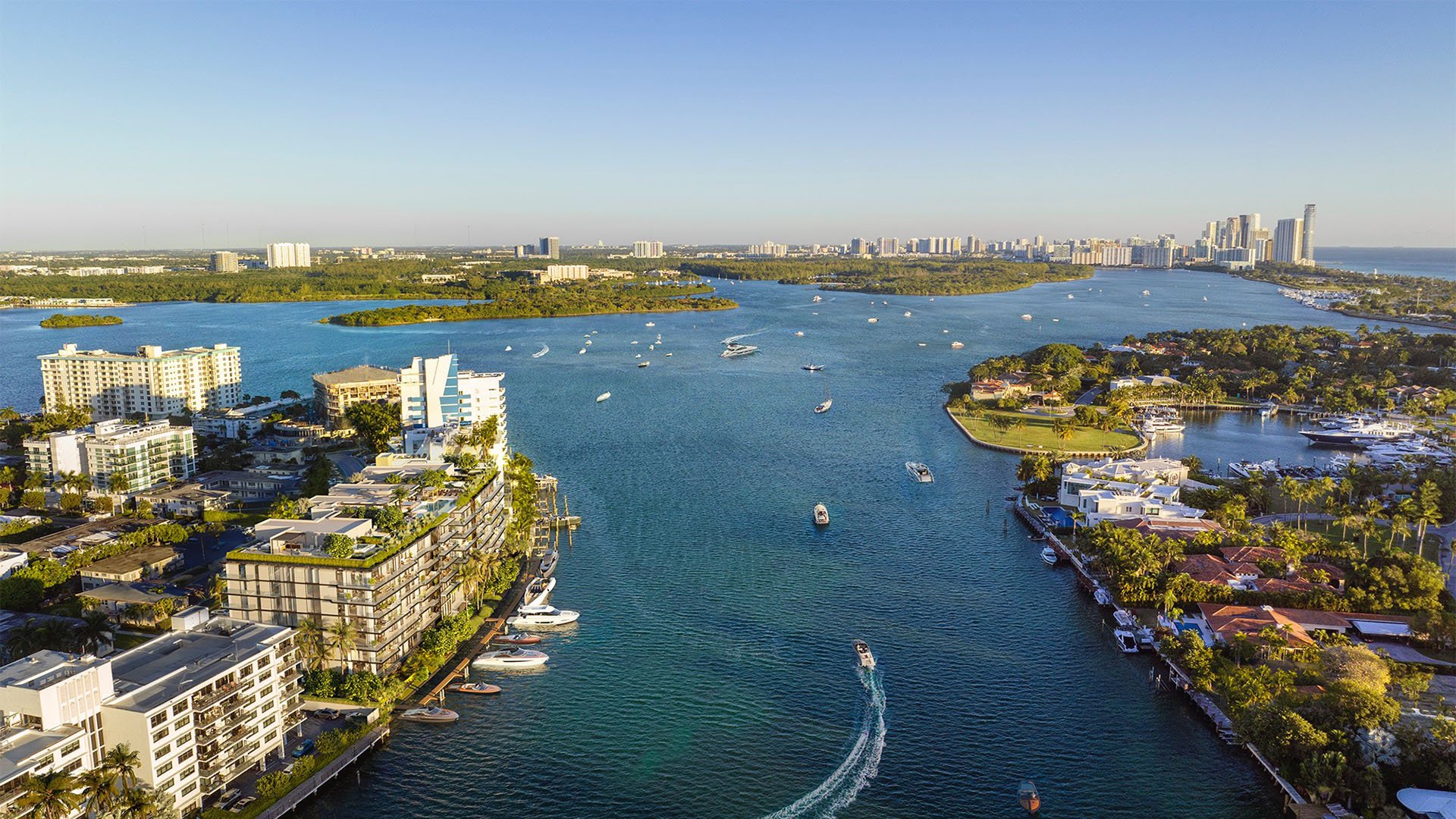
A considered purchase in Bay Harbor Islands extends beyond the residence itself. Before reserving, the essential financial question is not simply what ownership costs today, but when the building’s next obligations arrive and how they will be funded. Read reserve contributions, insurance renewals and capital-project payments on one calendar.
A completed study is not a funded plan. Nor does an adopted annual budget establish how much cash will be available when an invoice falls due. The objective is to understand the connection between condition, funding and timing before a deposit becomes nonrefundable.
Whether your shortlist includes Alana Bay Harbor Islands or another residence, establish which documents apply to the building and its ownership stage. The questions below form a due-diligence framework, not findings about any named property’s finances, insurance or compliance.
Florida residential condominium buildings with three or more habitable stories generally fall within the state’s milestone-inspection requirements. The standard schedule begins at 30 years and repeats every 10 years. Local enforcement agencies may require the first inspection at 25 years, so confirm the requirement for the specific building rather than relying on a general age threshold.
Request the applicable milestone inspection report and the complete Structural Integrity Reserve Study, or SIRS. The inspection evaluates structural condition, including load-bearing components. The SIRS identifies covered components’ estimated useful lives, replacement costs and reserve-funding requirements. These documents answer different questions; neither substitutes for the other.
Qualifying buildings generally require a SIRS at least every 10 years. Existing qualifying, owner-controlled associations generally faced an initial deadline of December 31, 2025, subject to exceptions. Certain associations with milestone inspections due by December 31, 2026 may coordinate the study with that inspection; this is not a universal extension. Ask counsel to confirm any claimed exception and its building-specific basis.
Read the SIRS alongside the adopted reserve schedule and current reserve balances. Ask management to explain any differences between recommended contributions and adopted funding, and to identify the assumptions supporting the schedule.
The practical questions are direct: Which covered components require spending first? What balances support those obligations? What contributions are expected before payment is due? Do the estimates and timing still align with the work under consideration?
Florida law restricts associations’ ability to waive or reduce reserves for specified structural components. Do not assume those contributions are optional or that a completed SIRS proves adequate funding.
When considering Bay Harbor Towers, apply the same distinction between an existing record and a projection. Ask which figures are adopted, which are estimates and which remain subject to decisions. The question does not presume a deficiency; it establishes what the buyer can reasonably rely on.
Request current insurance declarations and available renewal information. Ask about premiums, limits, exclusions, nonrenewal notices and open claims. Establish the renewal date and whether the budget reflects current coverage, a renewal quotation or an assumption awaiting confirmation.
For windstorm or named-storm deductibles, request both the percentage and its dollar equivalent, along with an explanation of how the deductible applies. A percentage alone does not clearly describe the potential exposure. Ask how the association proposes to address that exposure without assuming reserves are available for every purpose.
For a residence under consideration at Onda Bay Harbor, these are document requests, not assertions about coverage. The same discipline applies when comparing an alternative in Bal Harbour: read the monthly fee alongside the insurance terms and renewal assumptions behind it.
A reference to planned work is only the beginning. For each pending capital project, request the scope, estimated cost, basis for the estimate, funding source, expected start and completion dates, and payment schedule. Ask separately about outstanding inspection-related repairs.
Distinguish a preliminary allowance from a contractor estimate or contracted amount. Likewise, distinguish a board discussion from an approved project and an approved assessment. These are not equivalent commitments.
Request three years of budgets, financial statements, board minutes and assessment notices, where available. Read them for changes in scope, funding assumptions and timing-not merely the latest total. Ask management to reconcile unresolved items across those records.
If The Well Bay Harbor Islands is on your shortlist, tailor the request to the building’s actual stage and applicable records. Keep projections clearly labeled rather than treating them as a history of operating results.
The most useful comparison places reserve contributions and balances, insurance renewal timing and project payments side by side. Ask management for a dated view of expected receipts and obligations, with each proposed funding source identified.
For each significant payment date, establish what cash is expected to be available, what purpose it may serve and whether the funding is already approved. Do not treat all balances as interchangeable. Have the association’s professionals explain any restrictions or assumptions affecting the proposed plan.
For illustration, if an insurance renewal and a project payment fall close together, ask how both will be accommodated before later contributions arrive. That overlap warrants investigation; it is not proof of a shortfall. Likewise, a higher contribution is not, by itself, evidence of poor management. What matters is whether the schedule clearly explains the obligations and supports them with identifiable funding.
Have the buyer’s attorney review assessment allocation and any negotiated document-review or material-change contingency before the deposit becomes nonrefundable. Ask how the agreement addresses approved assessments, later approvals and installments extending beyond closing. Do not assume the reservation paperwork resolves those questions automatically.
Separate confirmed costs from unresolved exposures. An approved assessment belongs in a different category from a project under discussion; a renewal quotation deserves a different label from a budget assumption. Where an answer remains provisional, ask counsel whether a negotiated protection is appropriate rather than relying on verbal reassurance.
The goal is not to eliminate every uncertainty. It is to reserve with a clear view of the building’s obligations, the evidence supporting its funding plan and the contractual terms governing your commitment.
For a considered approach to your next South Florida residence, explore MILLION.
If branded residences are on your mind — as a home or as an allocation — we would be glad to share what we are seeing, privately.
Begin a quiet conversationFlorida residential condominium buildings with three or more habitable stories generally fall within the requirements. Confirm applicability for the specific building.
The standard schedule begins at 30 years and repeats every 10 years. Local enforcement agencies may require the first inspection at 25 years.
A milestone inspection evaluates structural condition. A SIRS identifies covered components’ estimated useful lives, replacement costs and reserve-funding requirements.
No. Compare its recommendations with the adopted reserve schedule, actual balances and expected payment dates.
No. Certain associations with milestone inspections due by that date may coordinate their SIRS with the inspection, but the exception is not universal.
No. Florida law restricts associations’ ability to waive or reduce reserves for specified structural components.
Request current declarations and renewal information covering premiums, limits, exclusions, nonrenewal notices and open claims. Ask for windstorm or named-storm deductibles in both percentage and dollar terms.
Request scope, estimated cost, estimate basis, funding source, start and completion dates, and payment timing. Distinguish proposed work from approved commitments.
Their payment dates may overlap, raising questions that an annual budget alone does not resolve. Compare expected receipts with obligations and confirm the permitted use of identified funds.
Counsel should review assessment allocation and any negotiated document-review or material-change contingency. Do not assume those protections are automatic.