Before purchasing at Muse Residences, distinguish advertised amenities from documented outage performance. Generator duration, elevator operating procedures, and individual appliance coverage deserve written, unit-specific confirmation.
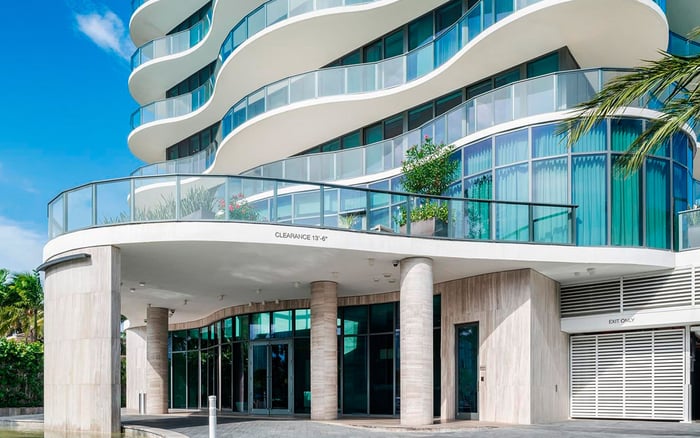
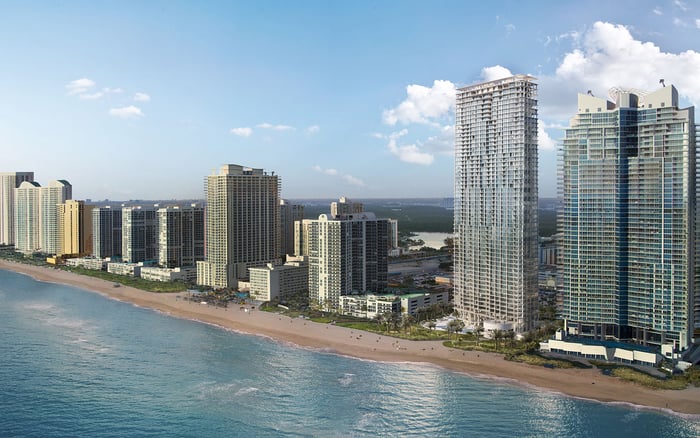
At Muse Residences Sunny Isles Beach, the purchase conversation should extend beyond finishes and private arrival. The 68-residence condominium at 17141 Collins Avenue illustrates an important distinction: an amenity description and an emergency operating plan answer different questions. For a buyer considering an extended utility interruption, the relevant details are fuel endurance, elevator access, and the circuits serving the residence.
Generator runtime remains unverified, as do individual-unit refrigeration coverage and the number of elevators available during an outage. These are unanswered operational questions, not evidence that backup systems or procedures are absent.
A purchase decision should rest on current, written confirmation tied to the building and the specific home. The goal is not a blanket assurance that everything works. It is a clear account of what operates, for how long, under which restrictions, and with what arrangements if conditions change.
A runtime figure is incomplete without its operating conditions. Muse's generator fuel type, tank capacity, refueling arrangements, and supported outage loads remain unverified. Buyers should not translate a general reference to emergency power into a promise of uninterrupted residential comfort.
Ask management for the fuel type, usable tank capacity, rated output, and documented runtime at normal emergency load. The response should identify the systems included in that load. A duration without its operating assumptions offers little basis for comparing residences.
Distinguish the initial fuel supply from any expectation of continued operation through deliveries. Ask whether a written refueling contract exists, what arrangements it covers, and how the building plans to communicate if replenishment is delayed. Runtime dependent on refueling should not be presented as endurance on the initial tank alone.
The central documents to request are the emergency-power one-line diagram and load schedule. Have a qualified professional interpret them alongside recent generator maintenance and load-bank test records. The result should be a written distinction between backed-up building systems, backed-up unit circuits, and equipment whose coverage remains unresolved.
For buyers also considering Jade Signature Sunny Isles Beach, use the same questions rather than assuming equivalent outage performance. A consistent document request makes the comparison more meaningful without implying that either property's systems have a particular capability.
Muse's advertised elevator provision comprises two private elevators with biometric access and one service elevator. The advertised ratio of approximately one elevator for every 23 residences describes provision, not guaranteed service during a utility failure. Private access and outage access require separate evaluation.
Begin by defining “recall.” An equipment-safety recall is distinct from an elevator's automatic fire-alarm recall function. There is no basis here to conclude that Muse has experienced a recall incident or has an outstanding safety violation. Buyers should not interpret the term itself as evidence of a defect.
The emergency recall sequence, fire-service operating mode, and firefighter-designated elevator arrangements remain unverified. Ask management to explain the applicable procedures in writing, distinguishing a utility outage from a fire-alarm condition.
The operational questions are specific: How many elevators remain available during a utility failure? What restrictions apply to resident use? What firefighter-service priorities apply? How are changes in availability communicated to residents?
Request current elevator inspection certificates and any open violation or repair notices as part of routine diligence. For a household with mobility considerations, ask how management's outage plan addresses assistance and access. The everyday private-elevator experience does not answer that separate planning question.
Muse's advertised amenities include Sub-Zero refrigeration, wine-storage features, dual-temperature wine storage, and cooled storage. Those features do not establish emergency-power coverage, and the installed appliance package in each residence requires separate verification.
Do not ask only whether “the kitchen” has backup power. Request written confirmation for the refrigerator, freezer, wine cooler, and any outdoor refrigerator in the exact residence under consideration. Each answer should be tied to the applicable circuit and emergency load schedule, not a general building description.
The same discipline applies to HVAC, internet equipment, and leak-detection equipment. Their emergency-generator coverage remains unverified. If remote monitoring matters to your ownership plans, ask which equipment supporting it remains powered. Do not assume that appliance coverage also covers monitoring.
For wine storage, confirm the installed equipment without relying on a universal bottle count. Storage capacity, temperature features, and outage continuity are separate purchase questions. Likewise, a reference to cooled storage should prompt clarification of the space being described and whether its cooling receives emergency power.
Ask how management's extended-outage plan addresses food spoilage and appliance restart. The objective is a practical household plan, not simply a checked box beside “generator.”
For a resale purchase, make the written request specific to the home as it exists today. Ask whether the installed appliances and current electrical configuration match the records provided. A building-wide response cannot substitute for confirmation of the unit's circuits.
Second-home buyers should also ask how an absent owner receives outage updates, reports a refrigeration concern, and arranges authorized access. These questions belong alongside verification of security access, garage gates, water and sewage pumps, and resident communications in the extended-outage plan.
If Regalia Sunny Isles Beach is also on the shortlist, carry the same unit-level checklist into that evaluation. Compare documented capabilities and unresolved questions, not assumptions drawn from branding or appliance specifications.
Organize management's response around three subjects: generator endurance, elevator operation, and residence-level power coverage. For each, distinguish confirmed information from conditional arrangements and unanswered questions. Keep the supporting records with the written response so your advisers can reconcile broad assurances with technical details.
Ask your purchase team to address material uncertainties before you rely on a particular capability. If refrigeration continuity or elevator access is essential to your household, identify that requirement early and seek appropriate professional review. Marketing materials cannot substitute for current engineering records, inspection certificates, or management confirmation.
Muse's advertised amenities define its everyday appeal. Understanding extended-outage performance requires a separate, precise conversation. The strongest buying position is knowing which comforts are documented to continue and which still require verification.
For a discreet approach to your Sunny Isles Beach purchase, connect with MILLION.
If branded residences are on your mind — as a home or as an allocation — we would be glad to share what we are seeing, privately.
Begin a quiet conversationMuse Residences is at 17141 Collins Avenue in Sunny Isles Beach, Florida. The condominium has 68 residences.
Generator runtime remains unverified in the available marketing disclosures. Request documented runtime at a stated emergency load, distinguishing initial fuel supply from operation with refueling.
The available marketing disclosures do not specify fuel type or tank capacity. Ask management for the fuel type, usable capacity, rated output, and refueling arrangements.
Request the emergency-power one-line diagram, load schedule, recent maintenance records, and load-bank test records. Have a qualified professional review how they apply to the specific residence.
Muse is marketed with two private elevators with biometric access and one service elevator. This does not establish how many remain available during a utility outage.
No such conclusion is supported by the supplied facts. An equipment-safety recall and an automatic fire-alarm recall function are different subjects that should be clarified with management.
Emergency-power coverage for individual-unit refrigeration is not established by the available disclosures. Request written confirmation tied to the specific appliances and circuits.
Their emergency-power coverage remains unverified. Confirm the installed wine-storage equipment and ask separately about the location and backup coverage of any cooled storage.
The available disclosures do not establish that coverage. Ask management to identify whether the specific unit's HVAC, internet equipment, and leak-detection equipment receive emergency power.
Ask about water and sewage pumps, security access, garage gates, resident communications, food spoilage, and appliance restart. Absent owners should also clarify authorized access and outage notifications.