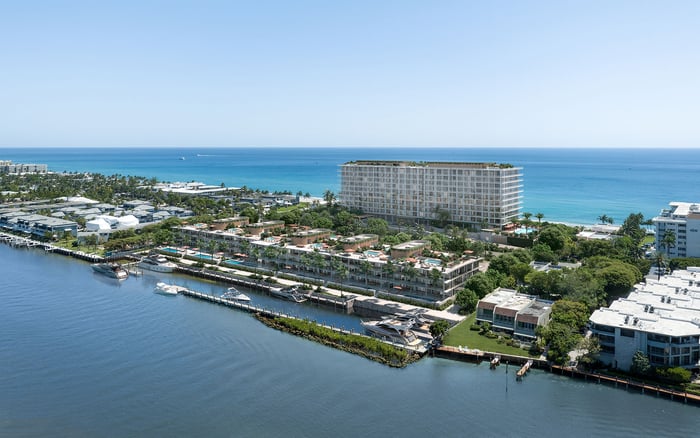
A Hillsboro Beach residence should accommodate the way its owner actually arrives, parks, and charges. Reviewing parking entitlements, EV installation obligations, valet procedures, and vehicle restrictions early helps distinguish an appealing amenity from a dependable ownership arrangement.
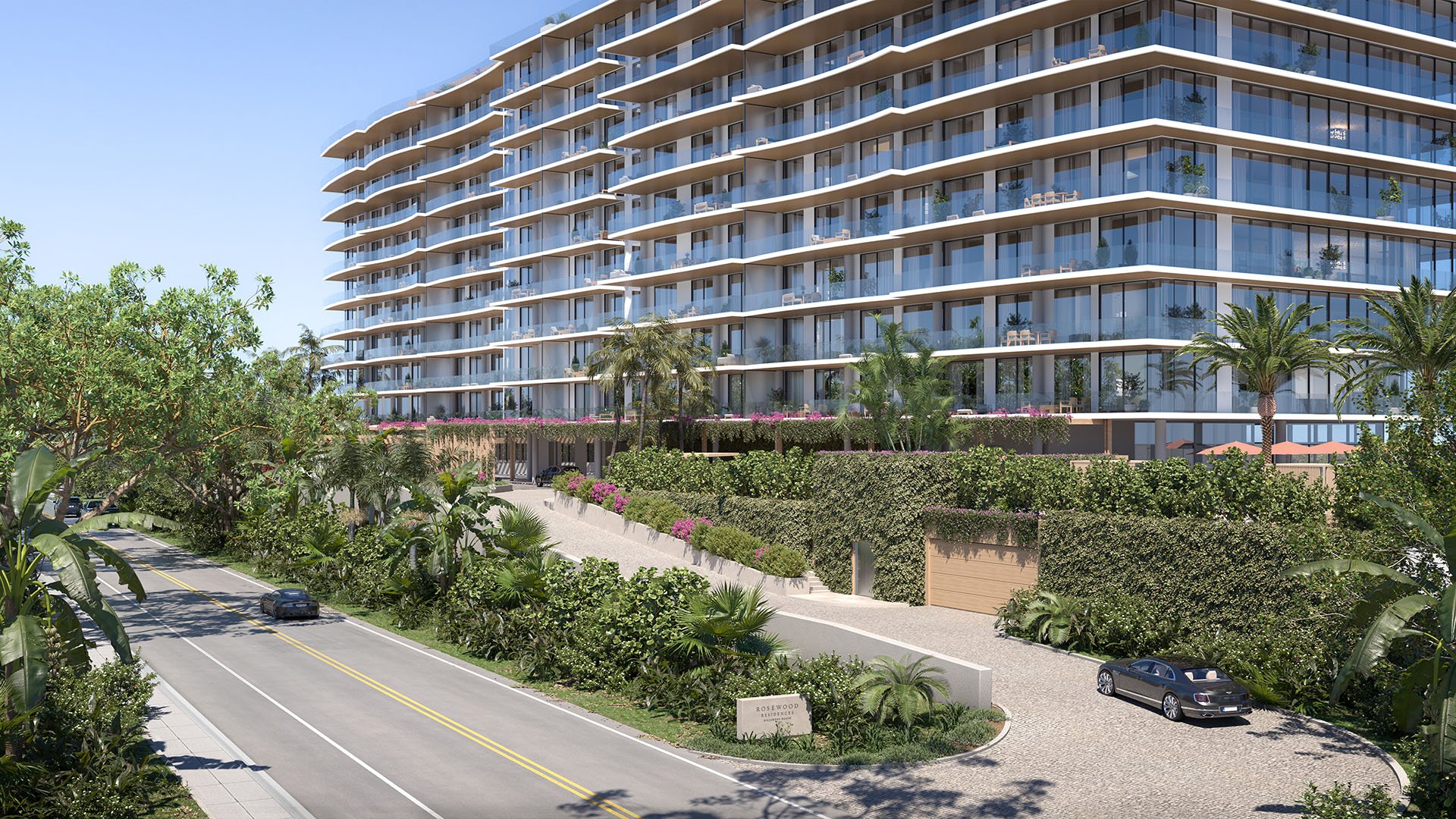
The arrival experience deserves the same scrutiny as the floor plan. For a Hillsboro Beach buyer, an elegant entrance means little if a second vehicle has no confirmed space, charging requires an unresolved installation, or daily departures depend on a service arrangement that does not suit the household. Parking is both a legal entitlement and an everyday operating system.
The essential distinction is between what a building offers and what a particular purchase secures. A buyer considering Rosewood Residences Hillsboro Beach should make that distinction without assuming any particular parking, charging, or valet arrangement. These questions belong early in the review, while counsel can assess the documents and the buyer can test whether the arrangements work in practice.
Start with four separate inquiries: what space rights accompany the residence, whether private charging is protected and feasible, how vehicles are retrieved, and whether each intended vehicle is permitted and physically accommodated. A favorable answer to one does not resolve the others.
Hillsboro Beach’s RM multiple-family zoning provision requires at least one open parking space per dwelling unit. That requirement is specific to the provision, not a universal rule for every zoning district. More importantly, compliance with a parking minimum does not establish a buyer’s exclusive or transferable right to a particular space.
Ask counsel to reconcile the purchase agreement, declaration, applicable parking plans, and any assignment documentation. Does the entitlement identify a specific space? Is it a limited common element, an exclusively designated area, or another arrangement? Can the association relocate it? What happens to the right when the residence is sold? The answers belong in the documents; they should not be inferred from a listing description.
Separate the primary space from arrangements for additional cars, guests, and temporary vehicles. Request written confirmation of availability, approval conditions, and charges rather than treating an informal accommodation as part of the acquisition.
For a buyer comparing Hillsboro Beach with Alina Residences Boca Raton in Boca Raton, the useful comparison goes beyond space counts. It is the certainty and scope of the entitlement attached to each candidate residence.
Florida’s condominium statute prohibits declarations or restrictive covenants from barring an owner’s EV-charger installation within the owner’s limited common element or exclusively designated parking area. The parking arrangement therefore matters before equipment selection begins. An “EV-ready” description alone does not establish that the buyer’s space falls within those protected categories.
Ask what EV-ready means for the actual residence. Is there an installed charger, infrastructure awaiting equipment, or a shared charging arrangement? Request a description of the proposed connection, electricity measurement, approval procedure, and responsibility for the work. Confirm these details rather than infer them from marketing language.
Associations may impose reasonable restrictions, but those restrictions may not significantly increase installation costs or effectively prohibit installation. Permissible requirements may include bona fide safety measures and reasonable architectural standards governing dimensions, placement, or appearance. The association may also require installation by a licensed and registered electrical contractor or engineer familiar with EV-charger installation, along with insurance documentation relating to the charger.
The objective is a documented path to installation. Ask counsel to review the parking designation and charging policy together, then obtain qualified advice on electrical feasibility before relying on private charging as a purchase requirement.
The unit owner bears installation and operating costs, as well as maintenance, repair, removal, and replacement costs. The owner is also responsible for damage resulting from installation, maintenance, repair, removal, or replacement. A protected installation right is not an association-funded amenity.
Request an itemized installation estimate and a clear explanation of ongoing electricity charges. Ask what insurance documentation will be required and how future maintenance or removal would be coordinated. If charging equipment already serves the space, clarify what is included in the sale and which responsibilities the buyer would assume.
Second-home ownership adds a practical question: who will coordinate access if the equipment needs attention while the owner is away? The answer should fit the household’s management arrangements, not depend on an informal understanding.
Evaluate valet service as an operating arrangement, not merely an amenity label. Ask whether self-parking is available for the specific residence and whether owners can access their vehicles independently. Confirm service hours, after-hours procedures, key handling, and any charges applicable to residents or guests.
Then test the arrangement against ordinary routines: an early airport departure, several guests arriving together, or a vehicle left parked during an extended absence. Ask how retrieval is requested and whether any stated service expectations are documented. A staffed arrival area alone does not establish retrieval times or uninterrupted access.
Where practical, observe the arrival operation during a period relevant to your schedule. The point is not to presume valet dependence in Hillsboro Beach, but to establish whether a particular building’s procedures preserve the flexibility you expect.
A vehicle can fit within a space yet conflict with a written rule. Conversely, a permitted vehicle may be difficult to maneuver along the route to its assigned location. Review physical dimensions and policy restrictions as separate tests.
Provide management with the actual vehicle specifications, including height with accessories, width, length, and weight. Ask about entrance clearances, ramps, turning areas, overhead equipment, and any applicable weight limits. Request written definitions of oversized or restricted vehicles, including how the rules address trucks, vans, recreational vehicles, or temporary rentals.
A comparison extending to Ocean 580 Pompano Beach in Pompano Beach should use the same vehicle-specific questions, without assuming equivalent garage layouts or policies.
Do not treat municipal parking as an automatic fallback. Hillsboro Beach prohibits parking motor vehicles or recreational vehicles in Town Hall spaces after 5 p.m. and before 8 a.m. daily without Town Manager authorization. That location-specific restriction does not establish a blanket oversized-vehicle ban in residential condominiums.
Bring the findings into one purchase review: documented space rights, a charging plan with cost responsibilities, written valet procedures, and confirmation that the intended vehicles are acceptable. Have counsel identify unresolved provisions and advise whether important representations should be addressed in the contract.
The strongest parking arrangement makes the residence work for its owner without relying on assumptions. Resolve essential questions while they can still inform the purchase decision, rather than discovering their significance after arrival.
For a considered approach to your next South Florida residence, explore MILLION.
If branded residences are on your mind — as a home or as an allocation — we would be glad to share what we are seeing, privately.
Begin a quiet conversationNo. The RM multiple-family provision requires at least one open parking space per dwelling unit, but zoning compliance does not establish exclusive or transferable rights to a particular space.
Ask counsel to reconcile the purchase agreement, declaration, applicable parking plans, and assignment documentation. Confirm the space designation, relocation provisions, and transfer terms.
The protection applies within an owner’s limited common element or exclusively designated parking area. Confirm that the residence’s parking arrangement falls within those categories.
Do not assume it does. Ask whether the description refers to installed equipment, infrastructure awaiting equipment, or shared charging, and confirm what accompanies the purchase.
The unit owner bears installation, operation, maintenance, repair, removal, and replacement costs. The owner is also responsible for damage resulting from the specified installation and equipment-related work.
Yes, reasonable restrictions are permitted, but they may not significantly increase installation costs or effectively prohibit installation. Requirements may address safety, architectural standards, qualified installers, and insurance documentation.
No. Confirm whether self-parking and independent vehicle access are available for the specific residence, along with service hours and after-hours procedures.
Provide the actual vehicle dimensions and weight, including accessories, and request confirmation of route clearances and applicable limits. Review written vehicle restrictions separately from physical fit.
No. Parking motor vehicles or recreational vehicles in Town Hall spaces after 5 p.m. and before 8 a.m. daily requires Town Manager authorization.
Address them early enough to inform the purchase decision. Have counsel review unresolved terms and advise whether essential representations should be addressed in the contract.